
Email: [email protected]

 English
  español
Industry News
Tool Belt Bag: Best Types, Features & How to Choose
 2026.03.25
 Industry News
A tool belt bag is a wearable storage system that combines a belt with one or more attached pouches, holders, or bags to keep hand tools organized and immediately accessible. The right tool belt bag saves 20–30 minutes per workday by eliminating trips to a toolbox and reducing time spent searching for tools. Whether you're a carpenter, electrician, plumber, or DIY enthusiast, choosing the correct style and fit matters far more than brand alone.
What Is a Tool Belt Bag and Why It Matters
Unlike a regular tool bag you carry, a tool belt bag wraps around your waist or hips, placing every tool within arm's reach. Professional tradespeople report that keeping tools on the body rather than on the ground reduces tool loss by up to 40% on active job sites. The pouch design varies by trade — framing carpenters favor open-top nail bags, while electricians prefer deep zippered pouches for small components.
The key distinction from a simple tool belt is the bag element: attached compartments with enough depth and volume to hold more than just hand tools. Many modern tool belt bags carry up to 30–50 individual items including tape measures, utility knives, pliers, screwdrivers, drill bits, and marking tools — all without needing a separate bag.
Main Types of Tool Belt Bags
Not every tool belt bag is built for the same purpose. Below is a breakdown of the most common styles and who they suit best.
| Type | Best For | Typical Capacity | Avg. Weight (empty) |
|---|---|---|---|
| Framing / Nail Bag | Carpenters, framers | 2–4 open pouches | 0.4–0.8 kg |
| Electrician's Pouch | Electricians, low-voltage techs | Multiple slim pockets | 0.5–1.0 kg |
| Combo / General Purpose | General contractors, DIYers | 4–8 mixed pouches | 0.7–1.5 kg |
| Suspender / Rig System | Heavy-duty tradespeople | Full modular system | 1.5–3.0 kg |
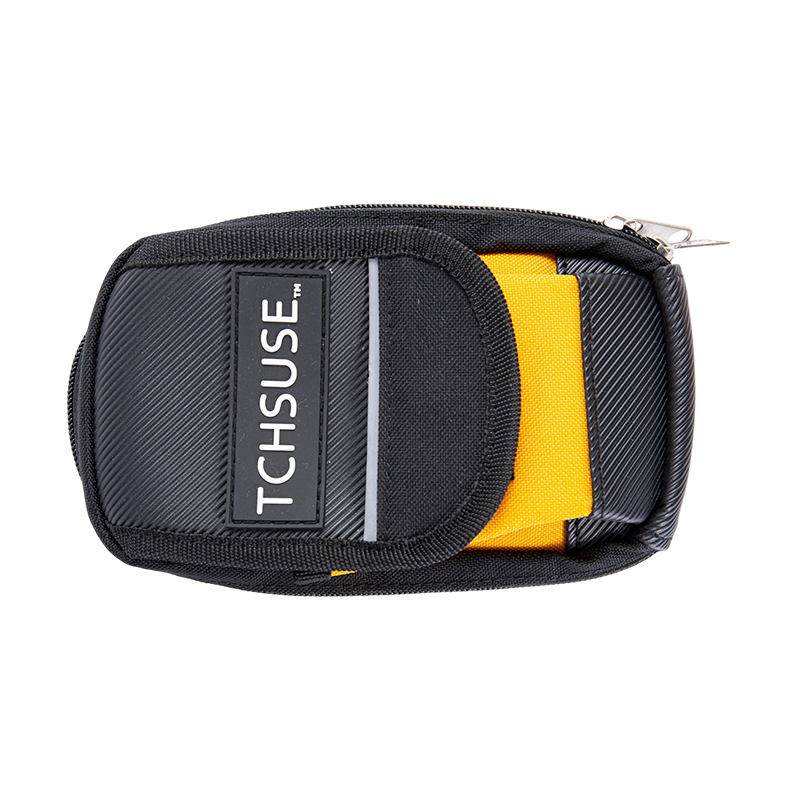
| Compact / Clip-On Bag | Maintenance, HVAC, finish work | 1–2 small pouches | 0.2–0.5 kg |
Key Features to Look For in a Tool Belt Bag
Quality varies widely across price points. Focus on these features before purchasing:
Material and Durability
Top-grain leather and ballistic nylon (1000D or higher) are the two most durable materials for tool belt bags. Leather develops a patina over time but requires conditioning; nylon resists moisture and is lighter. Budget bags often use 600D polyester, which shows wear within 6–12 months of daily professional use. Look for reinforced stitching at stress points — double or triple stitching at pouch seams adds years to the bag's life.
Belt Width and Padding
A belt width of at least 4 inches (10 cm) distributes load across the hips, reducing lower back strain. Padded foam backing is essential when carrying more than 5 kg of tools — without it, the belt edge digs into the hip bones after a few hours. Suspender attachments shift weight to the shoulders and are strongly recommended for full rig systems exceeding 8–10 kg loaded.
Pocket Layout and Organization
A well-designed tool belt bag separates tools by frequency of use:
- Dominant-hand side — most-used tools (hammer, driver, tape measure)
- Non-dominant side — secondary tools (pliers, pencils, folding knife)
- Back center — flat items, plans, or a phone pocket
- Loop holders — hammer loop, tape measure clip, driver holder
Bags with at least 6–8 individual pockets of mixed depth handle the broadest range of tools without excessive hunting.
Closure Type
Open-top pouches allow the fastest access and suit tradespeople who repeatedly grab the same tools. Zipper closures prevent small items like screws, bits, and wire nuts from falling out when bending or climbing. A mix of open and closed pockets — 60% open, 40% zippered — is the preferred layout among experienced tradespeople for balancing speed and security.
How to Choose the Right Tool Belt Bag for Your Trade
Matching the bag to your specific work avoids over-buying a heavy rig you don't need or under-buying a minimal pouch that doesn't hold everything.
For Carpenters and Framers
Choose a leather or heavy nylon two-pouch framing setup with a dedicated hammer loop, a deep nail bag on the dominant side, and a flat-tool pouch on the other. A loaded framing bag typically weighs 4–6 kg, so a 4-inch padded belt is essential. Brands like McGuire-Nicholas and Occidental Leather have long served this segment, with pro-grade bags ranging from $60 to $200.
For Electricians
Electricians need multiple slim, organized pockets for probes, wire strippers, voltage testers, and small connectors. Avoid deep open pouches — small parts fall to the bottom and become hard to retrieve. A 4–6 pocket electrician's pouch with a dedicated side loop for a conduit bender handle is the most practical configuration. Klein Tools and CLC (Custom Leathercraft) dominate this category.
For General Contractors and DIYers
A combo tool belt bag with 6–10 pockets covers most tasks without specialization. Look for a removable or modular design so individual pouches can be swapped out or repositioned. Spend at least $40–$80 for a bag that survives more than occasional use; sub-$20 bags typically fail at stitching within 3–6 months of regular work.
For Finish Carpenters and Trim Workers
Finish work requires fewer tools but more precision. A slim, lightweight bag with padded tool slots — to prevent scratching finished surfaces — is ideal. Many finish carpenters use a single-pouch clip-on bag under $50 rather than a full belt system, keeping the setup light during detail-oriented work at height or in tight spaces.
Common Mistakes When Buying a Tool Belt Bag
- Buying by price alone. A $15 bag costs more long-term when it's replaced every season. A $100 leather or heavy-duty nylon bag often lasts 5–10 years.
- Ignoring belt fit. Most belts are sold in S/M/L but hip sizes vary. Always check the adjustable range before buying — a belt that can't close properly is unusable.
- Overloading the bag. Every kilogram on your hips is force on your lumbar spine over an 8-hour day. Only carry the tools you actively use that shift; keep less-used tools in a separate bag or bucket nearby.
- Choosing style over function. A full modular rig looks impressive but adds unnecessary weight for a homeowner doing weekend projects. Match the rig to actual workload.
- Skipping suspenders on heavy loads. A loaded combo rig over 6 kg without suspender support causes belt sag and back fatigue within hours. Suspenders are a $15–$40 addition that pays off every day.
Top Tool Belt Bag Brands Worth Considering
Below are widely respected names in the tool belt bag category, each with a distinct strength:
- Occidental Leather — premium leather rigs, lifetime durability, favored by professional framers and finish carpenters ($80–$300+)
- Klein Tools — electrician-focused pouches and combo bags, excellent organization, strong value ($30–$120)
- DeWalt — rugged nylon systems with modular attachments, compatible with DeWalt tool accessories ($25–$90)
- Custom Leathercraft (CLC) — broad product range from entry-level to professional, good mid-range option ($20–$100)
- Husky — affordable combo rigs sold at major home improvement stores, suitable for DIYers ($20–$60)
- ToughBuilt — modular clip-tech system with highly customizable layouts, growing popularity among contractors ($30–$150)
How to Maintain and Extend the Life of Your Tool Belt Bag
A properly maintained tool belt bag can last a decade or more. Key maintenance steps:
- Empty the bag at the end of each day to prevent moisture buildup and mold, especially in leather pouches
- Condition leather bags with a product like neatsfoot oil or leather conditioner every 3–6 months
- Rinse nylon bags with water after muddy or dusty jobs; avoid machine washing which weakens seams
- Inspect rivets and stitching monthly; reinforce loose areas before they become full tears
- Replace worn suspender clips before they snap under load — a $10 part prevents a $100+ bag drop accident
Tool Belt Bag vs. Tool Bag: Which Should You Use?
A standalone tool bag (tote or duffel style) is better for storage and transport; a tool belt bag is better for active work. Most professionals use both: a large tool bag stays at the base of a job, while the belt bag carries only the tools needed for the current task. This combination keeps the belt bag weight manageable — ideally under 5 kg loaded — while keeping a full toolkit accessible nearby.
If your work requires frequent movement across a job site, climbing ladders, or working in tight spaces, a tool belt bag is indispensable. If your work is stationary (bench work, shop tasks), a regular tool bag or roll is usually more efficient.
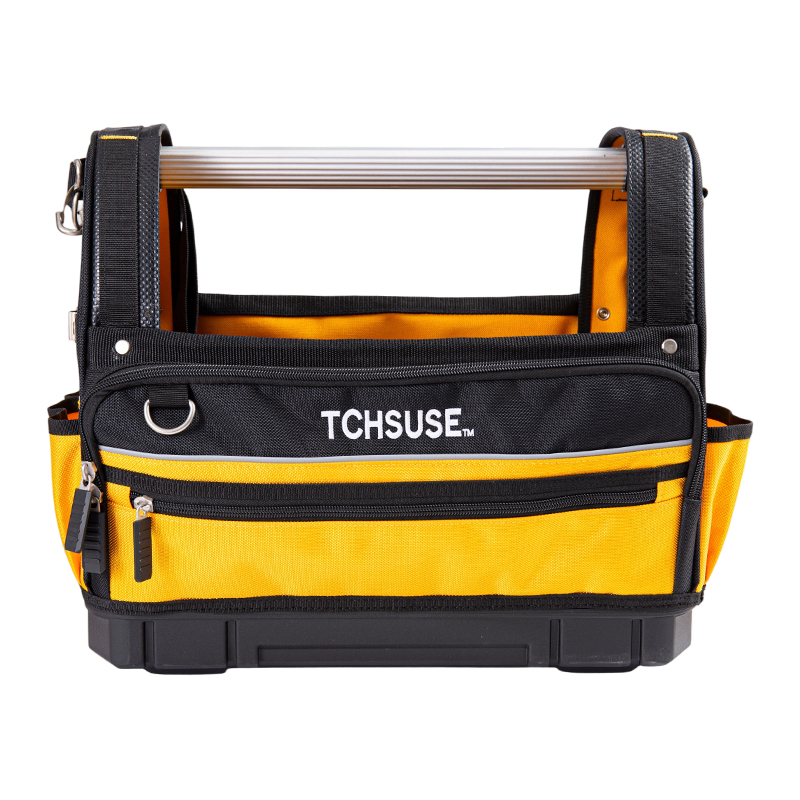
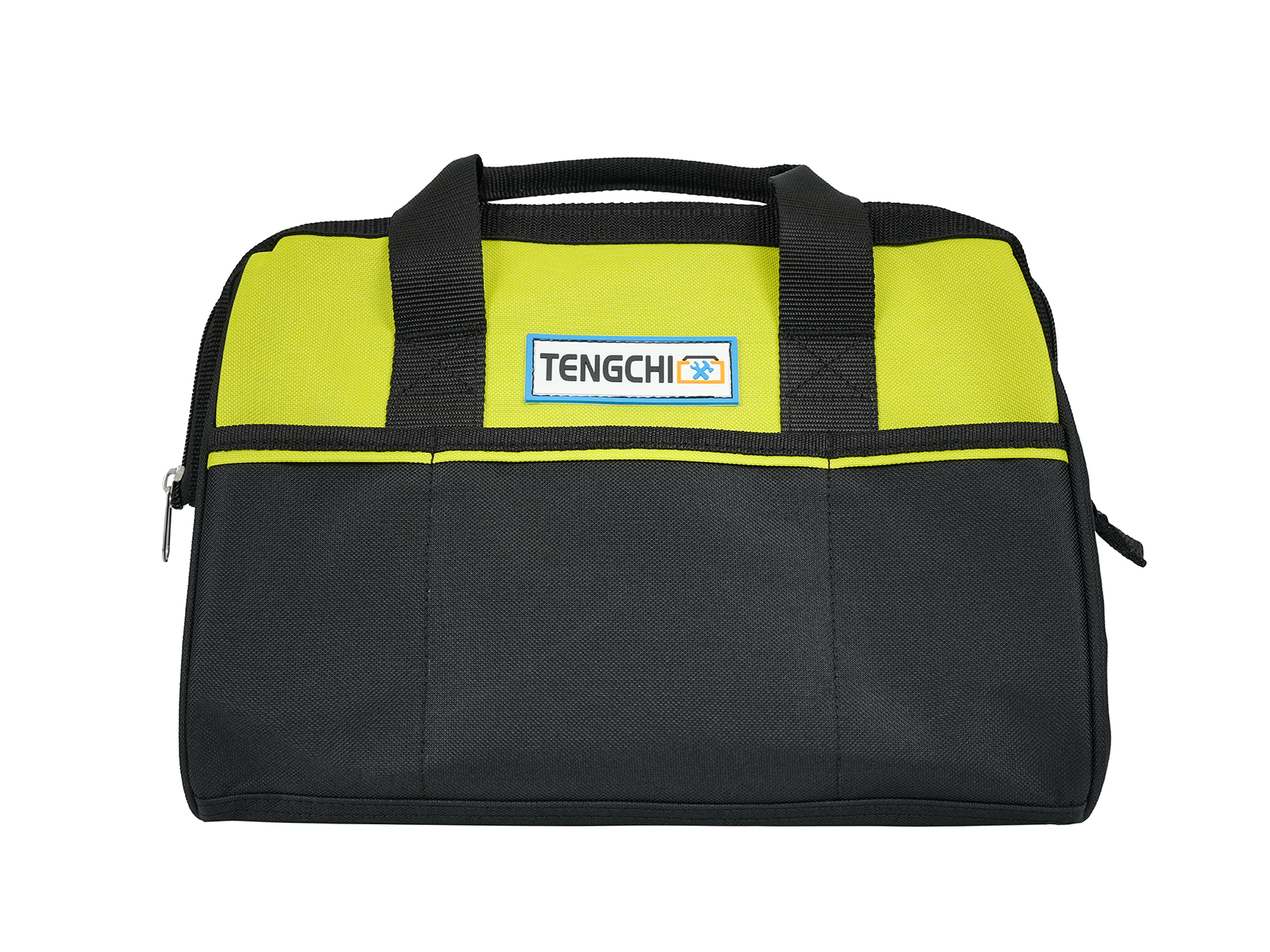
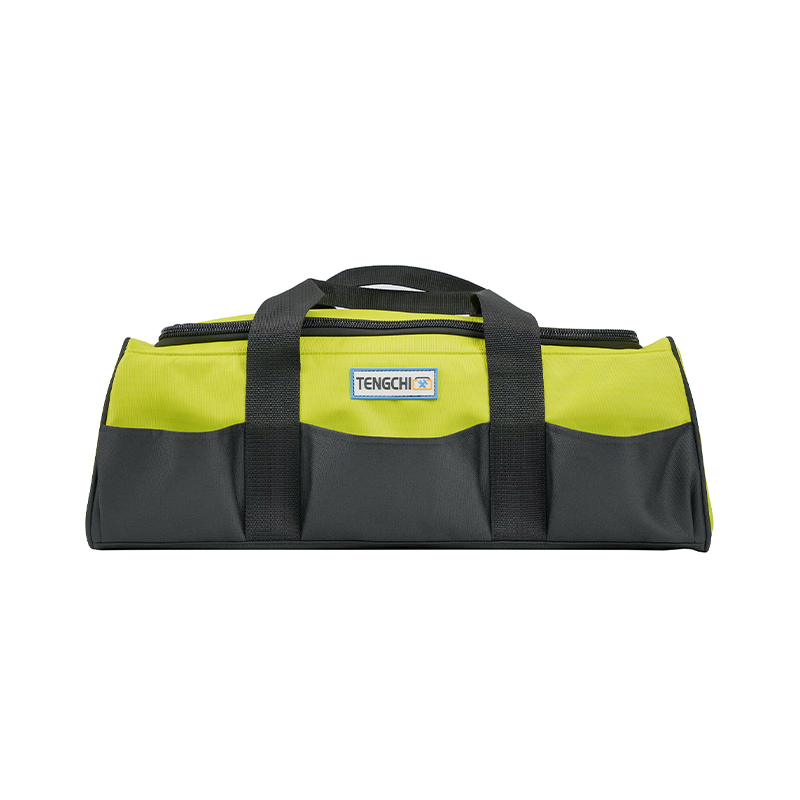
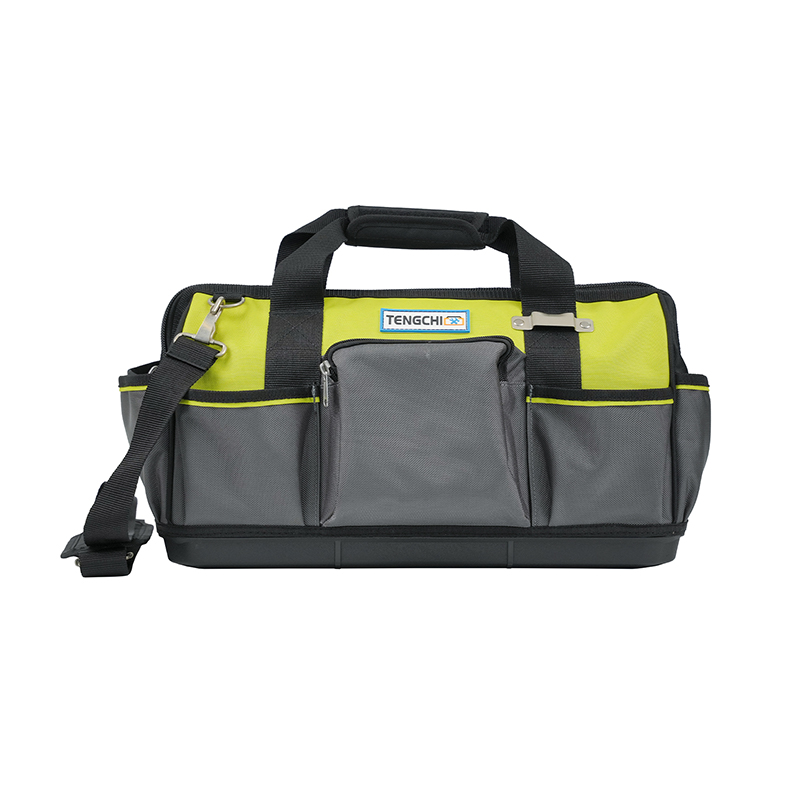
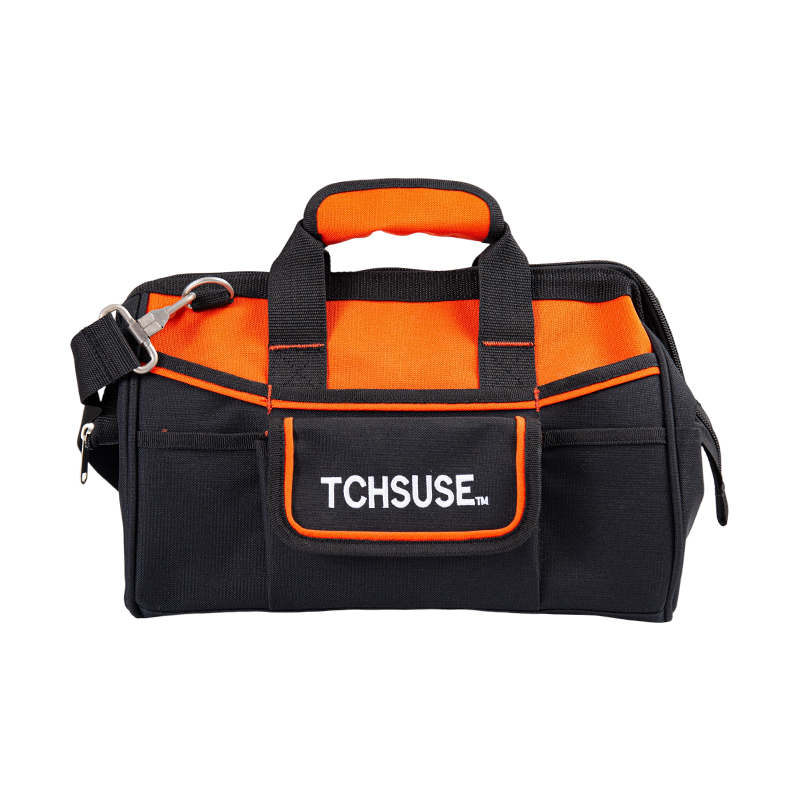

Yancheng Tengchi Tourism Products Co., Ltd. It is dedicated to
designing and producing high-quality tool bags, including
heavy-duty electrician bags.
Experienced staff and experts are always available to provide
you with professional guidance and solutions to technical
problems.
- Product
- Tool Bag
- Tool Backpack
- Capabilities
- Capabilities
- Custom
- About US
- About Tengchi
- Certification
- Quick Connect
- Custom
- Capabilities
- Contact



