
Email: [email protected]

 English
  español
Industry News
Tool Bag vs Backpack: Which Should You Choose?
 2026.03.18
 Industry News
For tradespeople who move between jobs carrying heavy loads, a tool backpack is the better choice for comfort and mobility — but a traditional tool bag wins on quick access, capacity for bulky items, and jobsite durability. The decision comes down to how you work: if you're constantly on the move across sites, climbing ladders, or working in tight spaces, a backpack distributes weight more efficiently. If you need fast access to a wide range of tools while working in one location, a tool bag's open-top design is more practical.
What Actually Separates a Tool Bag from a Tool Backpack
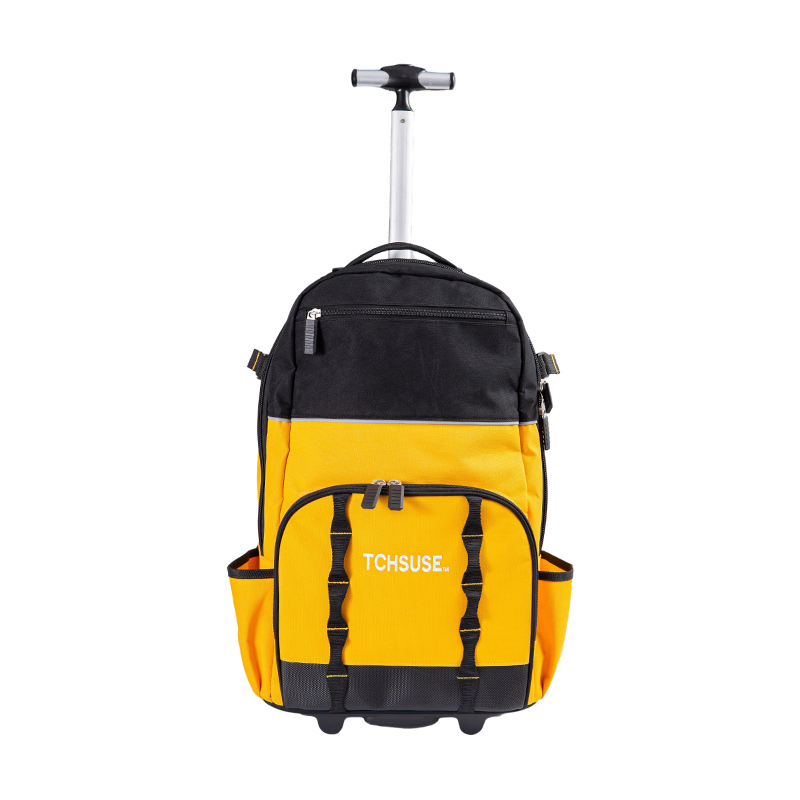
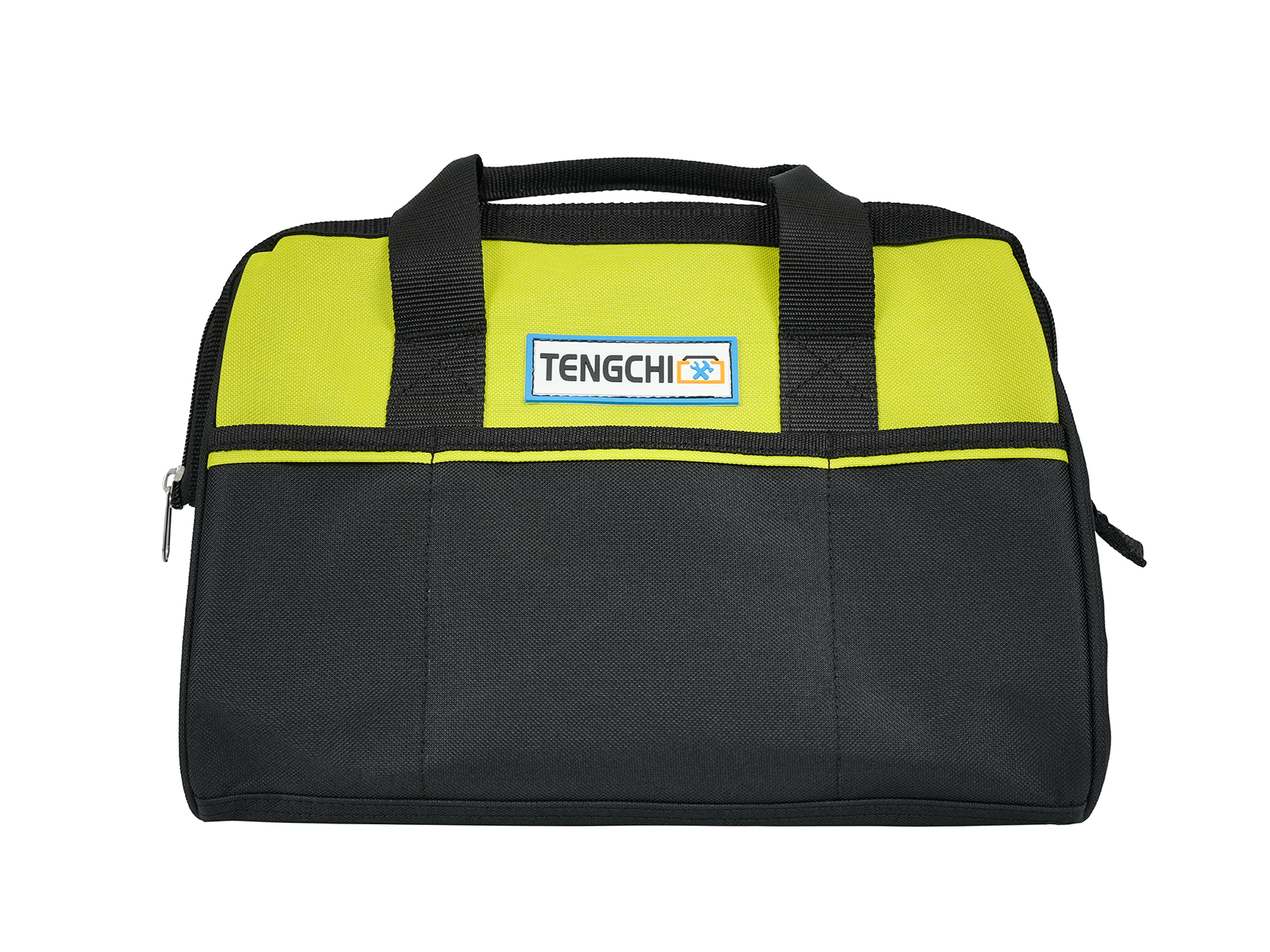
The core difference is how you carry and access your tools — not just the shape of the bag. A tool bag typically features a wide open-top mouth, a single main compartment with interior pockets, and is carried by a short handle or shoulder strap. A tool backpack uses two shoulder straps, a structured back panel, and organises tools across multiple zippered compartments accessed from the front or sides.
These structural differences drive real trade-offs in weight distribution, tool visibility, access speed, and overall carrying comfort — especially over longer distances or when the bag is fully loaded.
Weight Distribution and Physical Strain
A fully loaded tool bag can weigh 15–25 kg when carrying a standard set of hand tools, a cordless drill, and consumables. Carried by a single handle or over one shoulder, that load is concentrated entirely on one side of the body — increasing fatigue and the risk of back and shoulder strain over a full working day.
A tool backpack distributes the same load across both shoulders and, when fitted with a hip belt, transfers a significant portion of the weight to the hips — the body's strongest load-bearing structure. Research in occupational health consistently shows that backpack-style carrying reduces musculoskeletal strain compared to single-shoulder or hand-carry methods, particularly for loads exceeding 10 kg carried over distances greater than 50 metres.
For electricians, plumbers, or HVAC technicians who walk between floors, climb scaffolding, or travel across large sites, this difference is practically significant over the course of a working week.
Tool Access: Open-Top Bag vs Zippered Backpack
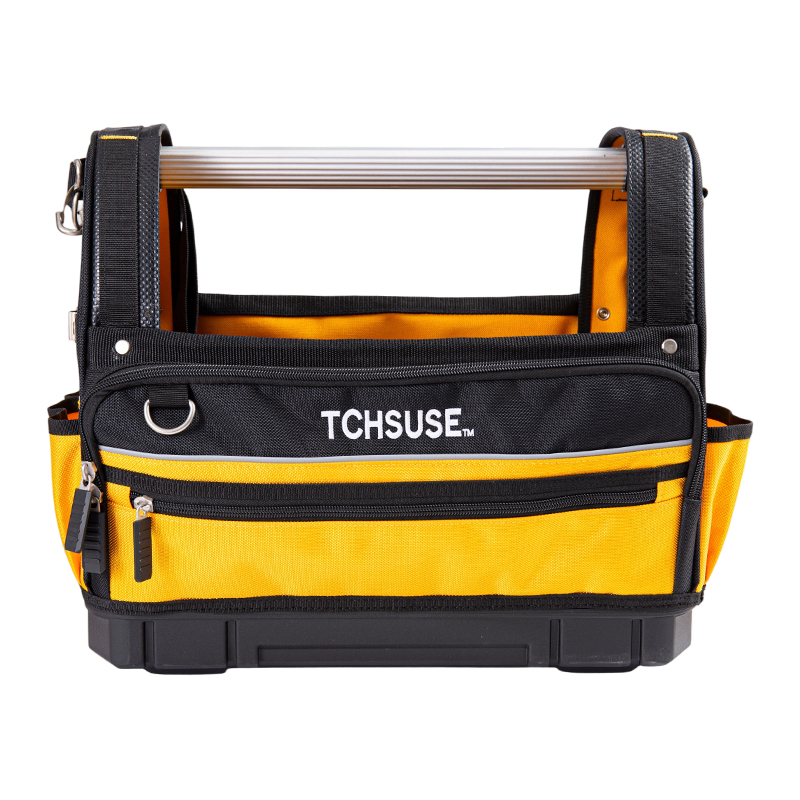
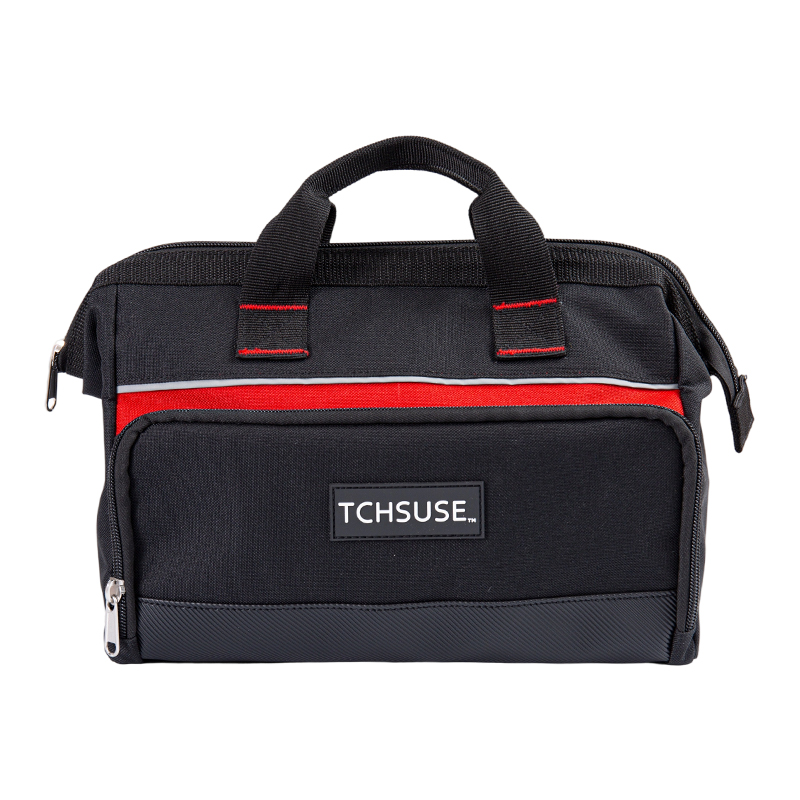
Speed and ease of access is where the traditional tool bag has a genuine advantage. The wide open mouth of a quality tool bag — typically 35–50 cm across when open — lets you see and reach all your tools at once without unzipping, unfolding, or searching through panels.
Tool backpacks require you to set the bag down, unzip one or more compartments, and locate tools within organised panels. For a tradesperson who reaches for tools dozens of times per hour, this adds up. That said, a well-designed tool backpack with a lay-flat opening — where the front panel folds fully open to reveal all pockets simultaneously — narrows this gap considerably.
Access Speed Comparison by Work Style
| Work Scenario | Tool Bag | Tool Backpack |
|---|---|---|
| Fixed workstation (bench, floor) | Excellent | Good |
| Moving between rooms frequently | Good | Excellent |
| Climbing ladders or scaffolding | Poor | Excellent |
| Grabbing tools repeatedly in one spot | Excellent | Fair |
| Working in confined spaces | Good | Fair |
| Public transport or walking long distances | Poor | Excellent |
Capacity and What Each Type Can Realistically Carry
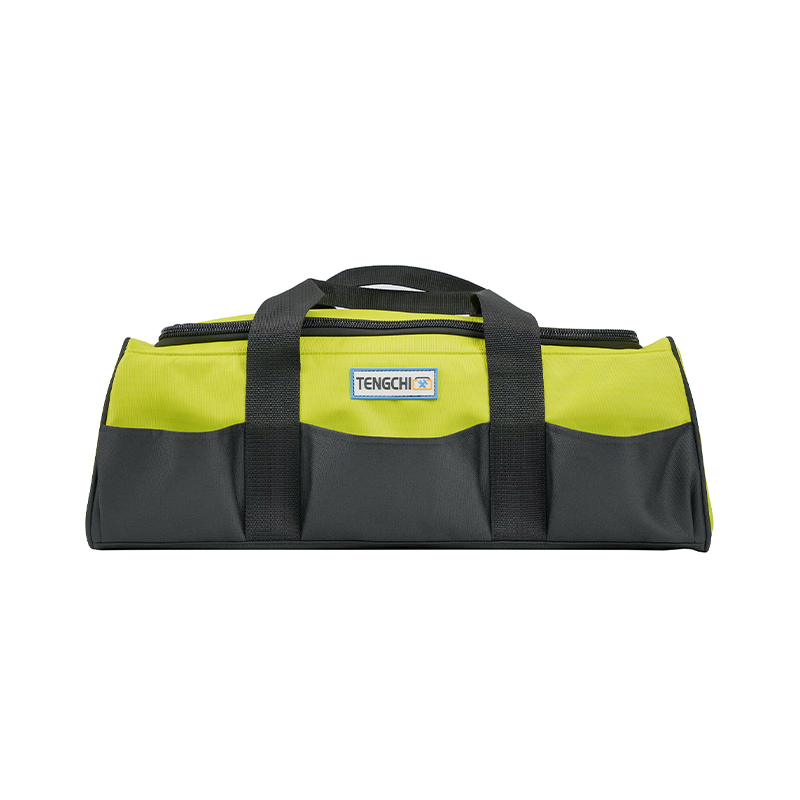
Tool bags generally offer greater raw volume for bulky items. A standard 18-inch open-top tool bag provides roughly 30–50 litres of usable space and can accommodate power tools, pipe cutters, levels, and other oversized items that won't fit through a backpack's zippered panels.
Tool backpacks typically offer 25–40 litres of total capacity, but that volume is divided across multiple organised compartments. While this makes it harder to fit a single large item, it makes it much easier to carry a wide variety of hand tools, drill bits, screws, tape measures, and accessories without them jumbling together.
For a typical electrician's kit — pliers, screwdrivers, wire strippers, voltage tester, tape, cable ties, and a cordless drill — a tool backpack fits everything neatly. A plumber carrying pipe wrenches, a pipe cutter, basin wrench, and copper fittings will likely find a large open-top tool bag more accommodating.
Durability and Jobsite Conditions
Both types are made in a range of quality levels, but there are structural durability differences worth noting. Traditional tool bags — particularly those with a moulded base or injected-rubber bottom — handle rough jobsite treatment well. They can be dropped, dragged, and set down in wet or dirty conditions without damage to the structure.
Tool backpacks have more stress points: shoulder strap attachment points, multiple zippers, and padded back panels that can degrade with heavy or abrasive loads. High-quality tool backpacks use 1680D or 1800D ballistic nylon or polyester with reinforced stitching and metal zipper hardware — these can withstand years of daily use. Budget models with plastic zippers and thinner fabric tend to fail within 12–18 months of professional use.
Key durability features to check before buying either type:
- Reinforced base (rubber or moulded hard shell) to prevent wear from being set on rough surfaces
- Metal zipper pulls or YKK zippers on backpacks — plastic ones break under frequent use with gloved hands
- Double-stitched seams at stress points (handles, strap attachments)
- Water-resistant or coated fabric for outdoor and roofing work
Organisation and Tool Protection
A tool backpack typically offers superior organisation. Most feature dedicated slots for screwdrivers, pliers, and chisels along the front panel; a padded laptop or tablet sleeve (useful for storing site plans or a work tablet); and separate zippered pockets for small parts, consumables, and documentation. Tools stay in assigned positions, reducing search time and preventing sharp tools from damaging other items.
Tool bags rely more on interior pocket strips around the perimeter, with the central compartment being largely open. This works well for experienced tradespeople who have a consistent kit and know where everything is, but can become chaotic when carrying a large variety of tools or when multiple people use the same bag.
For protecting sensitive equipment — laser levels, digital multimeters, or inspection cameras — a backpack with padded compartments is the safer choice. Tool bags offer little protection against tools knocking against each other in transit.
Price Range and Value at Each Level
Both tool bags and tool backpacks are available across wide price ranges. Here's what to expect at each tier:
| Price Range | Tool Bag | Tool Backpack |
|---|---|---|
| Under €30 | Basic fabric, limited pockets, suitable for light DIY | Thin fabric, plastic zippers, limited organisation |
| €30–€70 | Good quality canvas or polyester, reinforced base, adequate for regular tradespeople | Decent organisation, padded straps, reasonable durability |
| €70–€150 | Heavy-duty construction, moulded base, professional-grade (e.g., Stanley FatMax, Bahco) | Ballistic nylon, metal zippers, padded back panel, tool-specific pockets (e.g., DeWalt Pro, Makita) |
| Over €150 | Specialist or system-compatible bags (e.g., Milwaukee, Veto Pro Pac) | Premium ergonomic design, modular compartments, lifetime warranty (e.g., Veto Pro Pac BP-XL) |
For professional daily use, investing €70–€120 in either format pays off within the first year through reduced replacement frequency and fewer lost or damaged tools. Budget bags bought at under €30 typically last less than a year under trade conditions.
Which Trades Typically Prefer Each Type
Preferences vary by trade largely because of how tools are used on the job. These patterns reflect what most experienced tradespeople gravitate toward:
Trades That Favour Tool Bags
- Plumbers — carry large wrenches, pipe cutters, and flexible hose that don't fit in backpack compartments
- Carpenters — need fast access to a wide range of hand tools at a workbench or cutting area
- General builders — often carry mixed, bulky loads where open-top access is more practical
Trades That Favour Tool Backpacks
- Electricians — carry many small tools that benefit from organised slots; frequently climb ladders
- IT and AV installers — need to protect sensitive equipment and carry cables, testers, and laptops
- HVAC technicians — move between rooftops, plant rooms, and tight spaces where hands-free carrying matters
- Mobile service engineers — travel by public transport or between sites on foot, making backpack ergonomics essential
Using Both Together: The Case for a Two-Bag System
Many experienced tradespeople ultimately use both — a tool backpack as their primary carry bag for transit and everyday tools, supplemented by a large open-top tool bag that lives in the van and is brought out when a full kit is needed on site.
This combination works well because:
- The backpack carries the daily-use tools comfortably across all job types
- The tool bag stays in the vehicle as a secondary storage and access point for less-frequently used tools
- Neither bag is overloaded, which extends the life of both and reduces physical strain
For DIYers or occasional tradespeople, a single high-quality tool bag in the €50–€80 range is typically the most cost-effective starting point. For full-time tradespeople who move between sites daily, investing in a quality tool backpack at €80–€130 will pay back through reduced fatigue and better tool organisation within months.
Key Features to Look for When Buying a Tool Bag or Tool Backpack
Whichever format you choose, these are the features that most directly affect long-term usability and value:
For a Tool Bag
- Moulded or rubberised base — protects the bag floor and keeps it upright when set down
- Interior pocket count and layout — a minimum of 20–30 pockets across the perimeter is practical for a full hand tool kit
- Handle quality — look for over-moulded rubber or padded handles; thin webbing handles cut into hands under load
- Opening width — wider is better; 40 cm+ when fully open allows you to see the full contents at a glance
- Optional shoulder strap — useful for carrying across a site without hand fatigue
For a Tool Backpack
- Padded shoulder straps with sternum strap — critical for loads over 10 kg; sternum strap prevents straps slipping off shoulders
- Lay-flat front panel opening — allows full visibility of all tool pockets without removing the bag
- Rigid or semi-rigid back panel — protects your back from sharp tools and maintains the bag's shape
- Side pockets — useful for water bottles, spirit levels, or frequently accessed items
- Weight when empty — a heavy empty backpack adds to your load; aim for under 1.5 kg unloaded

Yancheng Tengchi Tourism Products Co., Ltd. It is dedicated to
designing and producing high-quality tool bags, including
heavy-duty electrician bags.
Experienced staff and experts are always available to provide
you with professional guidance and solutions to technical
problems.
- Product
- Tool Bag
- Tool Backpack
- Capabilities
- Capabilities
- Custom
- About US
- About Tengchi
- Certification
- Quick Connect
- Custom
- Capabilities
- Contact



