
Email: [email protected]

 English
  español
Industry News
Best Electrician Tool Bags: Professional Selection Guide
 2026.04.01
 Industry News
The Core Verdict: Selecting the Ideal Electrician Tool Bag
The most effective electrician tool bag is one that prioritizes vertical organization, features a waterproof molded base, and is constructed from at least 1200D ballistic polyester. For service electricians who move frequently between jobs, a heavy-duty backpack style is the superior choice for ergonomics. For industrial or commercial installers who require constant access to a high volume of hand tools, a rigid, open-top tote provides the fastest cycle time for tool retrieval. Investing in a high-quality bag typically reduces tool loss by 30% and saves an average of 15 minutes per hour previously spent searching for misplaced equipment.
Critical Features for Professional Performance
Not all bags are created equal. Electrical work requires specific features that general construction bags often lack, particularly regarding delicate testing equipment and sharp hand tools.
Durability and Material Strength
An electrician's kit can easily weigh between 25 and 50 lbs. Standard nylon bags will tear within months under this strain. Look for double-stitched seams and reinforced rivets at high-stress points. A molded impact-resistant bottom is non-negotiable; it keeps the bag upright and protects your expensive multimeters from water damage when set down on damp concrete floors.
Vertical Pocket Architecture
Unlike a carpenter’s bag where tools might be thrown into a central cavity, an electrician needs individual tiered pockets. This allows for "at-a-glance" inventory. If a specific slot for your linesman pliers is empty, you know immediately that a tool has been left behind before leaving the job site.
Comparison of Tool Bag Styles
Choosing the right form factor depends on your specific daily tasks. Use the table below to compare the three most popular configurations for electrical professionals.
| Bag Type | Best Use Case | Key Advantage | Avg. Pocket Count |
|---|---|---|---|
| Backpack | Service/High-rise work | Hands-free mobility | 30 - 50 |
| Open-Top Tote | Commercial/Industrial | Instant tool access | 25 - 40 |
| Shoulder/Messenger | Maintenance/Diagnostics | Slim profile | 15 - 25 |
Optimizing Your Internal Organization
Efficiency in electrical work is often a matter of seconds. How you arrange your tools within the bag significantly impacts your daily fatigue and productivity.
- Primary Driver Zone: Place your most-used drivers (11-in-1, Phillips #2, Cabinet Tip) in the outermost vertical slots.
- Tester Protection: Dedicate a padded internal pocket solely for your digital multimeter and non-contact voltage tester to prevent screen scratches or lead damage.
- Small Parts Management: Utilize small plastic organizers or clip-on pouches for wire nuts, staples, and screws rather than letting them settle at the bottom of the bag.
- Tape Chain: Ensure the bag has an external T-chain for electrical tape, allowing you to pull a roll without opening the main compartment.
Safety and Ergonomics
Over time, carrying an improperly balanced tool bag can lead to chronic back and shoulder pain. Ergonomics is a critical factor in extending a career in the trades.
Weight Distribution
For shoulder bags, look for contoured, padded straps with non-slip surfaces. For backpacks, a sternum strap and waist belt are essential to shift 60% of the weight to the hips, reducing the load on the lumbar spine. Heavy items like cordless drills or hammers should be placed as close to the back panel as possible to keep the center of gravity stable.
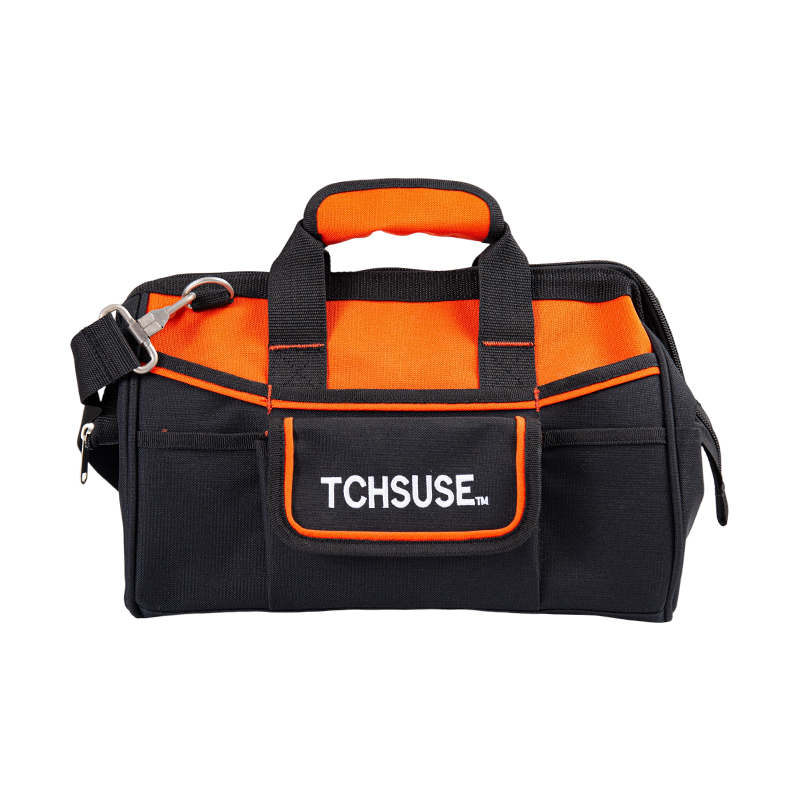
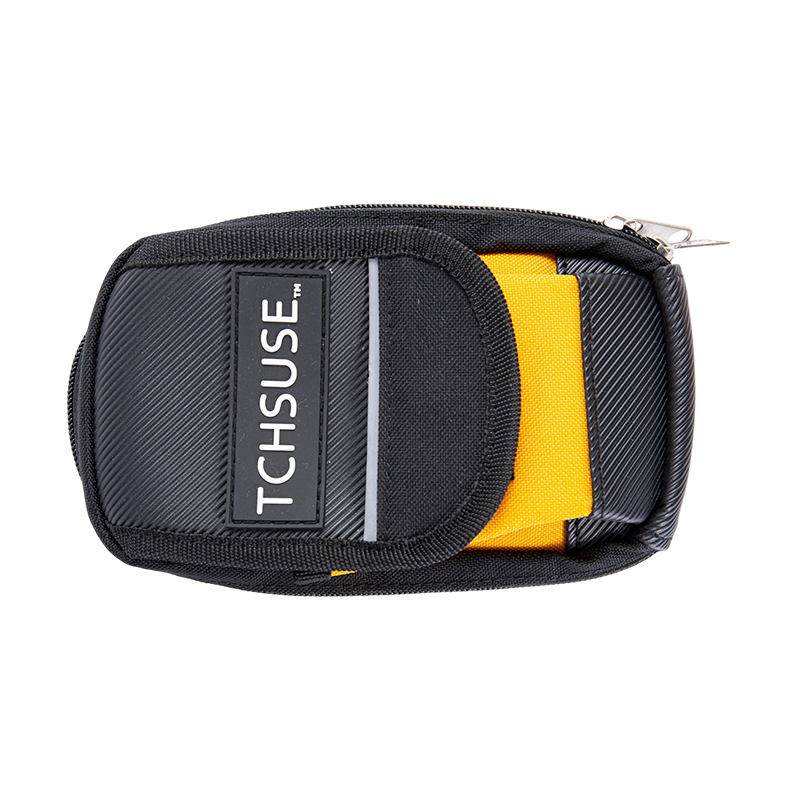
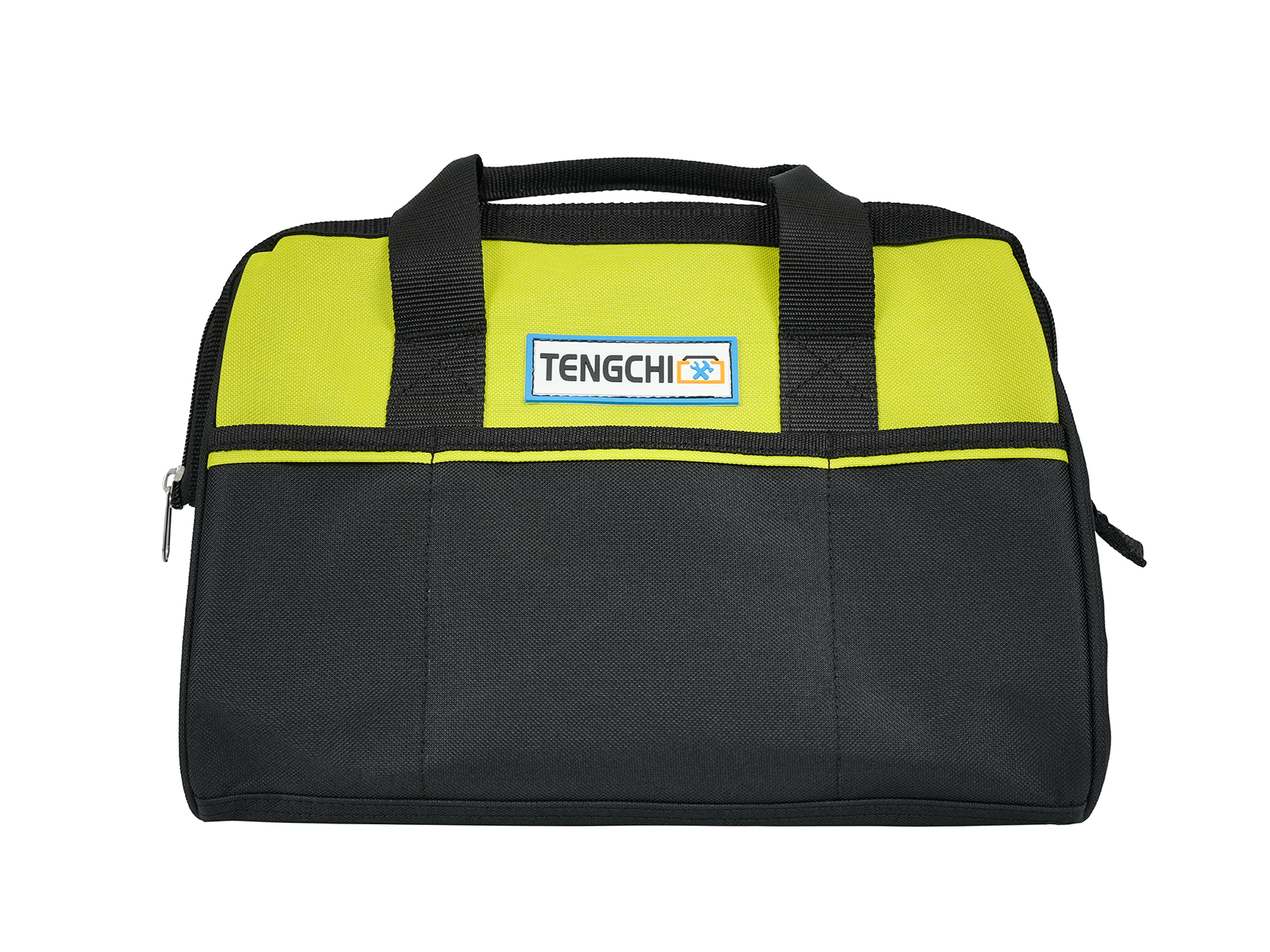
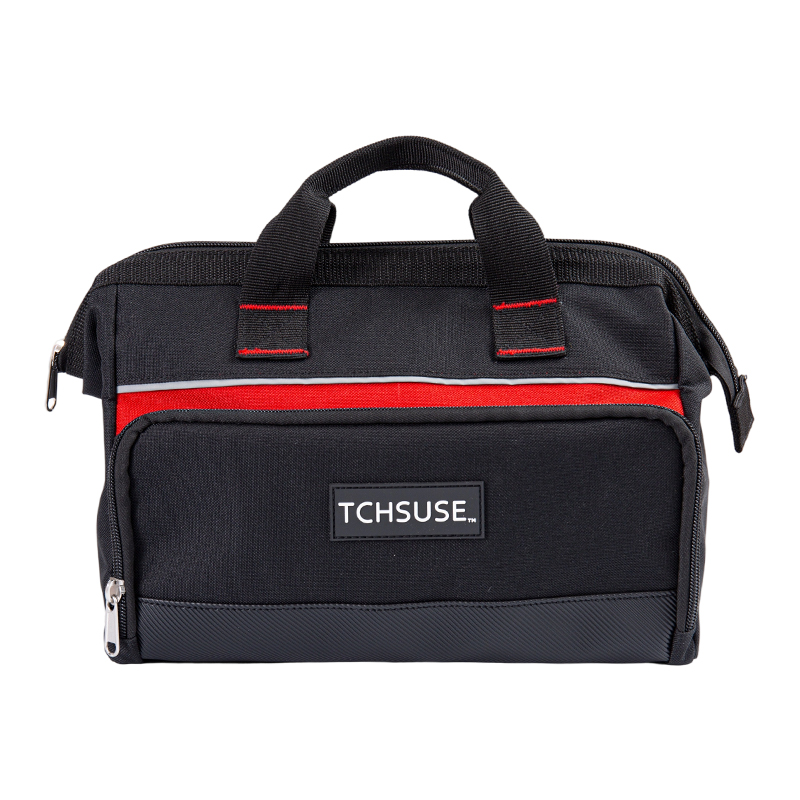
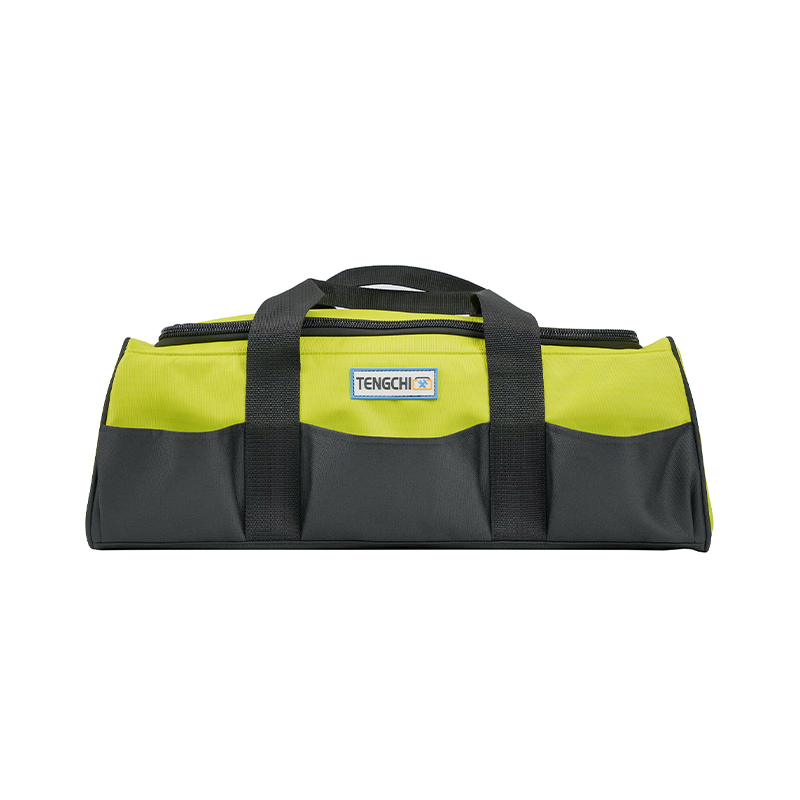
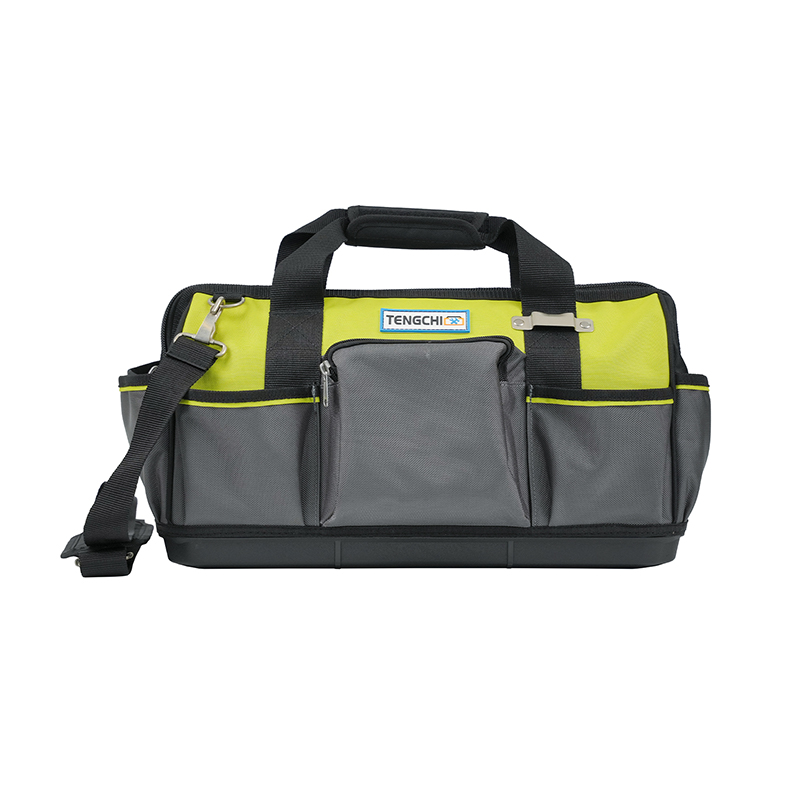

Yancheng Tengchi Tourism Products Co., Ltd. It is dedicated to
designing and producing high-quality tool bags, including
heavy-duty electrician bags.
Experienced staff and experts are always available to provide
you with professional guidance and solutions to technical
problems.
- Product
- Tool Bag
- Tool Backpack
- Capabilities
- Capabilities
- Custom
- About US
- About Tengchi
- Certification
- Quick Connect
- Custom
- Capabilities
- Contact



