
Email: [email protected]

 English
 español
Industry News
HOME / NEWS / Industry News / how much does a toolbox weigh: Applications, Selection Criteria, and Practical Guidance
HOME > NEWS > Industry News > how much does a toolbox weigh: Applications, Selection Criteria, and Practical Guidance
how much does a toolbox weigh: Applications, Selection Criteria, and Practical Guidance
 2026.10.22
 Industry News
Whether you are loading a service van, packing for a day of electrical work, or simply trying to keep your garage organized, the same practical question eventually comes up: how much does a toolbox weigh? The honest answer is that there is no single number. A small plastic toolbox can weigh only a couple of pounds when empty, while a full rolling tool chest in a workshop can easily exceed 100 pounds once loaded. To make the right choice, you need to separate empty weight from loaded weight, and also consider how the weight will actually be carried.
What Determines How Much a Toolbox Weighs?
Several factors come into play before you put a single wrench inside. The biggest ones are material, size, structural support, and added organization.
- Material: Steel toolboxes are sturdy but heavy. Plastic toolboxes are lighter but can crack under stress. Heavy-duty fabric tool bags with plastic bases manage to stay strong without carrying the weight of a full metal shell.
- Size and capacity: More interior space means more fabric, steel, and structural support. A 22-inch tool bag will naturally weigh more than an 11-inch one.
- Handles, wheels, and frames: A steel handle, rolling wheels, or a molded base adds a little extra weight, but it also improves how easily the storage moves.
- Organization features: Pockets, trays, foam inserts, and dividers all add small amounts of weight while making tools easier to find.
Typical Toolbox Weight by Type
To give you a useful benchmark, here are typical ranges for common types of tool storage. Actual numbers vary by brand, material, and exact dimensions, but these ranges reflect what professionals and homeowners usually encounter.
| Tool Storage Type | Empty Weight Range | Loaded Weight Range | Typical User |
|---|---|---|---|
| Small plastic toolbox | 2–6 lb | 10–25 lb | Home projects and light repairs |
| Standard metal toolbox | 8–15 lb | 30–60 lb | Workshop and professional use |
| Large rolling tool chest | 20–40 lb | 70–150 lb | Heavy industrial storage |
| Open-top tool bag | 1.5–5 lb | 15–40 lb | Electricians, plumbers, and technicians |
| Molded-base tool backpack | 3–7 lb | 20–45 lb | Mobile professionals |
| Rolling tool bag | 6–12 lb | 40–80 lb | Jobsites with long walks |
The pattern is clear. Toolboxes with rigid shells tend to weigh more before you add any tools. Fabric tool bags, especially those with a plastic bottom, get their structure from the base and light fabric walls instead of a full metal frame. That is one reason many professionals have moved away from heavy boxes.
How Much Does a Filled Toolbox Weigh?
Empty weight matters, but the loaded weight is what you actually lift, push, and carry. A standard service toolbox can hold 30 to 60 pounds of tools without even looking full. Add a drill, an impact driver, batteries, and hand tools, and the total climbs quickly.
Breaking Down a Loaded Toolbox
- Hand tools: Screwdrivers, pliers, wrenches, and cutters often add 10 to 30 pounds.
- Power tools: An electric drill or impact driver can weigh 3 to 8 pounds, and batteries add more.
- Fasteners and accessories: Screws, anchors, bits, connectors, and testers can add several pounds.
- Personal gear: Gloves, glasses, bungees, and small parts build up faster than most people expect.
How to Estimate the Total Weight
- Weigh yourself while holding the toolbox on a home scale, then subtract your own weight.
- Use a luggage scale attached to the handle for smaller boxes and bags.
- Check the manufacturer’s listed empty weight, then add the known weight of your tool collection.
This estimate matters for more than just lifting. It affects how your service vehicle loads down, how your back feels at the end of the day, and whether a tool bag or a toolbox is the better fit for your routine.
When Does Toolbox Weight Become a Problem?
Carrying a 50-pound metal toolbox up three flights of stairs or through a crowded factory is not sustainable. When the weight is balanced on your arms or one shoulder, distribution matters just as much as the number on the scale. That is why many professionals now choose a tool backpack with a molded base. It stands upright, keeps tools organized, and places the weight evenly across both shoulders.
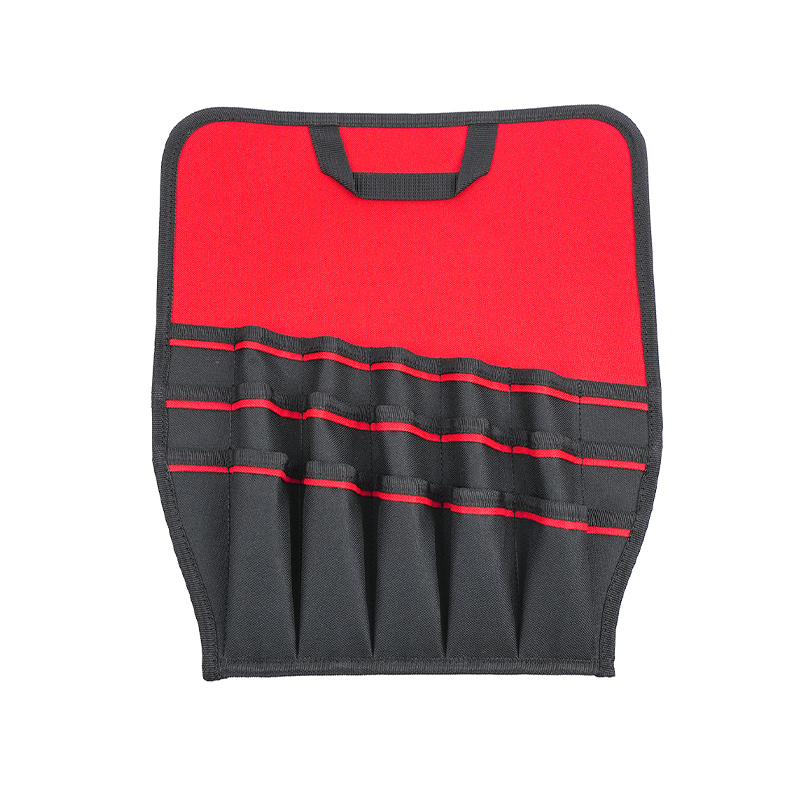 14-Inch Plastic-Bottom Tool Backpack for Mobile WorkThis backpack’s molded base lets it stand on uneven surfaces while the ergonomic straps spread weight evenly, making it a practical alternative to a heavy metal toolbox.View Product →
The key is to choose a bag built for the weight. A plastic bottom provides support and gives the bag a solid shape, while the fabric walls keep the overall carrier lighter than a metal toolbox. For work that requires moving between floors, attics, or tight spaces, this design makes a real difference.
Lighter Storage Options That Still Handle Heavy Gear
Let’s say you have a large number of tools, but you still want to move them without wrestling with a rigid metal box. There are two alternatives we see most often in the field: open-top tool bags and rolling tool bags.
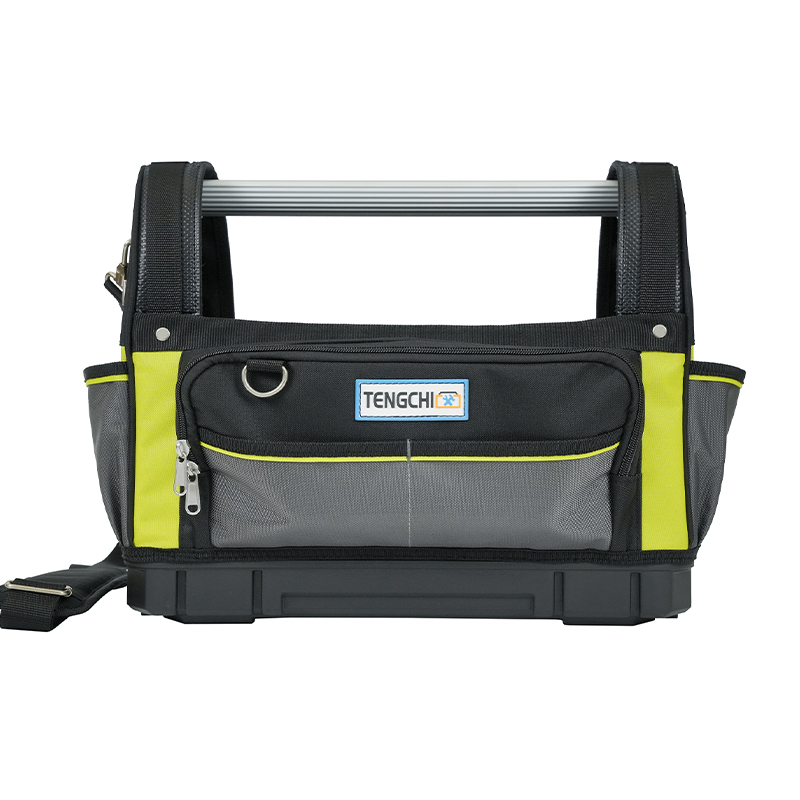
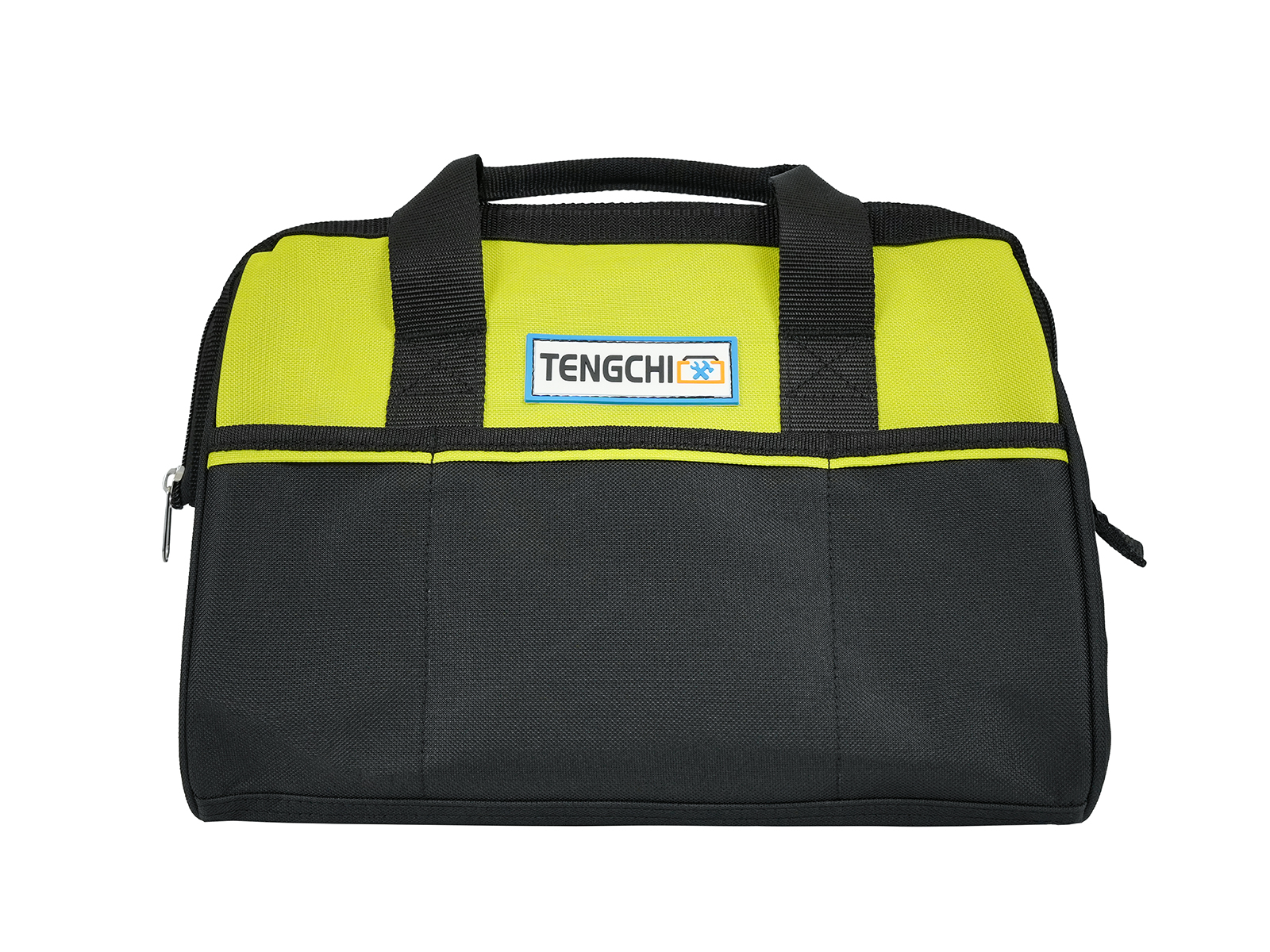
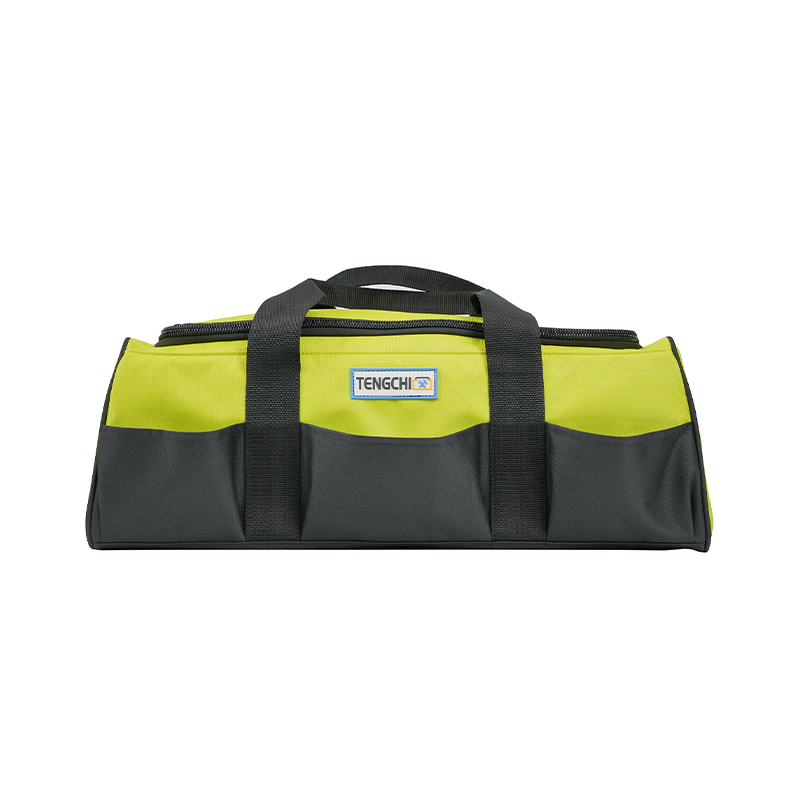
An open-top tool bag with a plastic bottom keeps the opening wide so you can see your tools and pull them out quickly. It does not offer the same protection as a sealed box, but the weight is much easier to manage during a busy workday.
 Open-Top Multi-Pocket Tool Bag with Plastic BottomIts wide opening and reinforced plastic base give quick tool access and stable support, easing the strain of carrying a busy load during a long workday.View Product →
If your load is genuinely heavy, a rolling tool bag is a smarter parallel to a rolling toolbox. The wheels carry the weight for you, while the fabric body and telescopic handle keep the unit lighter than a steel cabinet with the same capacity.
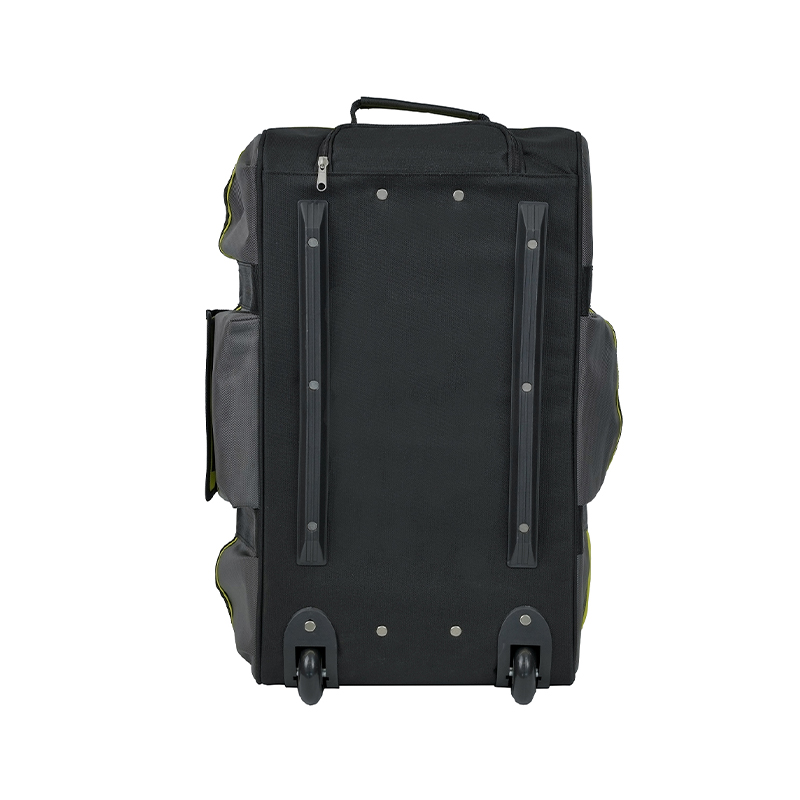 Rolling Trolley Tool Bag for Heavy LoadsWith wheels and a telescopic handle, this fabric bag transfers weight to the ground, offering a lighter way to move large quantities of tools across job sites.View Product →
If you are trying to decide between a rigid toolbox and a fabric tool bag, our tool bag vs toolbox comparison covers the practical differences in weight, portability, and access.
What We Learn From Manufacturing Tool Bags
As a manufacturer of professional tool bags, we think about weight during the design phase, not after production. Material selection is the first step. 600D oxford cloth is durable yet light, and 1680D adds much more resistance without turning a bag into a box. A plastic molded base or a steel handle improves stiffness and structure, but we use hardware only where it is needed. The result is a carrier that can handle real jobsite abuse without becoming an extra physical burden.
So, how much does a toolbox weigh? It can be 5 pounds or 150 pounds. The more useful question is how much weight your daily routine should ask you to carry. If you are tired of handling a heavy toolbox, a lighter, well-structured tool bag can give you back the ease without sacrificing organization.

Yancheng Tengchi Tourism Products Co., Ltd. It is dedicated to
designing and producing high-quality tool bags, including
heavy-duty electrician bags.
Experienced staff and experts are always available to provide
you with professional guidance and solutions to technical
problems.
- Product
- Tool Bag
- Tool Backpack
- Capabilities
- Capabilities
- Custom
- About US
- About Tengchi
- Certification
- Quick Connect
- Custom
- Capabilities
- Contact


