
Email: [email protected]

 English
  español
Industry News
Tool Bag vs Tool Box: Which One Should You Choose?
 2026.05.20
 Industry News
A tool bag is the better choice for technicians who work on the go, while a tool box is ideal for stationary workshop use. If you're a field technician, HVAC specialist, electrician, or plumber who moves between job sites, a technician tool bag offers portability, flexibility, and faster access to tools. If you primarily work in a fixed location and need to store a large inventory of heavy tools, a tool box wins on organization and durability. Understanding the core differences will help you make the right investment.
What Is a Tool Bag?
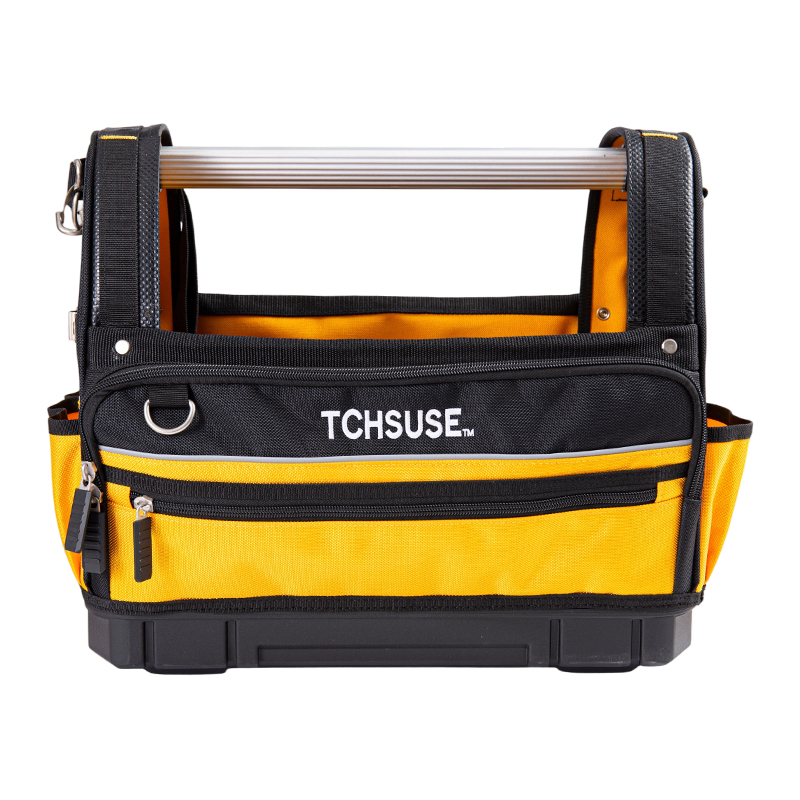
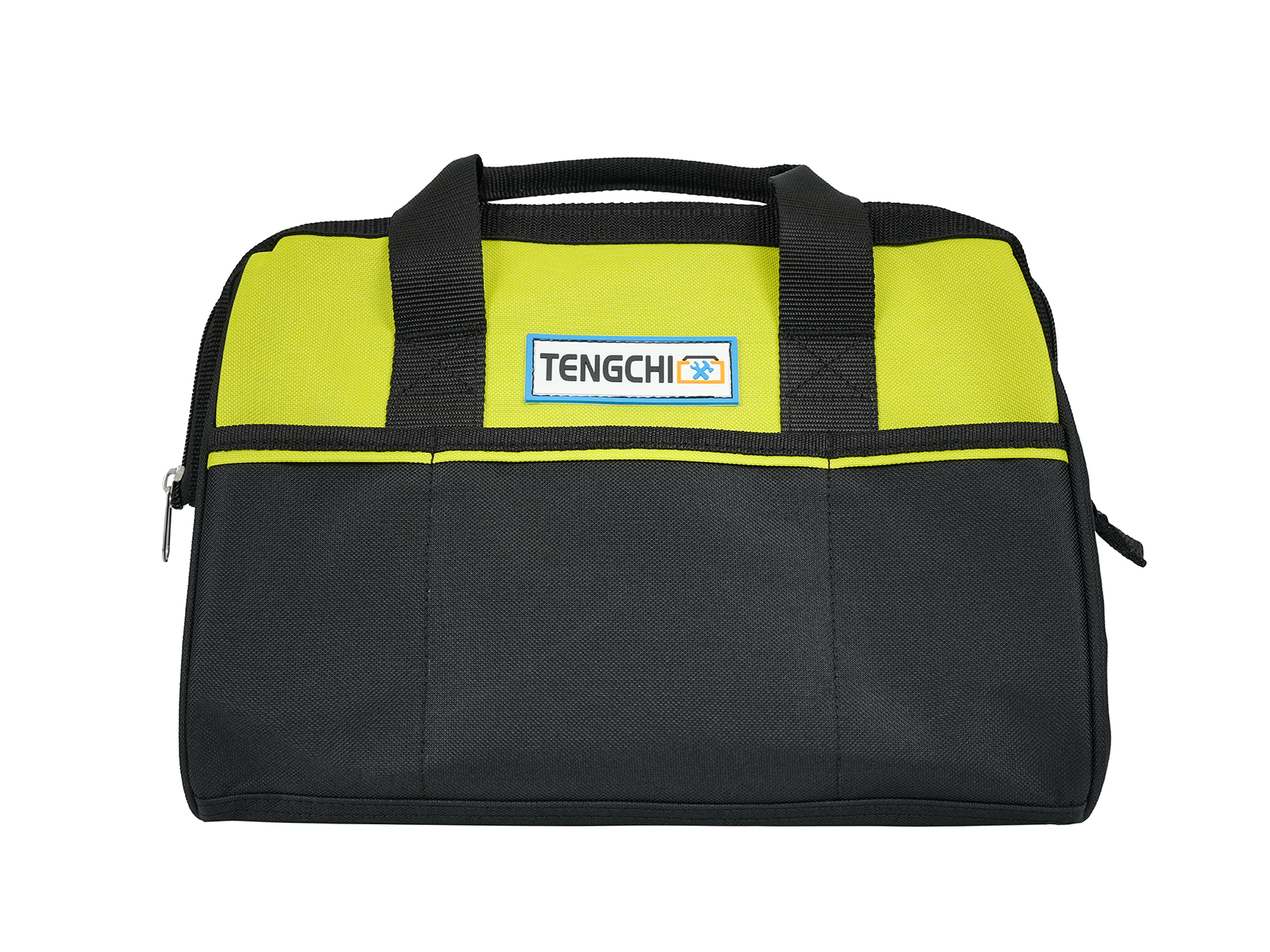
A tool bag is a soft-sided storage solution typically made from materials such as canvas, ballistic nylon, or polyester. It is designed for portability, featuring handles, shoulder straps, or even backpack-style harnesses. Tool bags range from compact pouches holding 20–30 tools to large open-top bags capable of carrying 50+ items.
Key Features of a Tool Bag
- Lightweight construction — most weigh under 3 lbs when empty
- Soft walls that flex to fit irregular tool shapes
- Multiple pockets and loop organizers for quick access
- Shoulder straps or handles for hands-free carrying
- Price range typically $20–$150 for professional-grade bags
What Is a Tool Box?
A tool box is a hard-sided container made from steel, aluminum, or heavy-duty plastic. It is designed primarily for storage, protection, and organization of a large number of tools. Tool boxes can range from small portable cases to multi-drawer chest cabinets that weigh over 200 lbs when loaded.
Key Features of a Tool Box
- Hard shell provides superior protection for tools and equipment
- Structured compartments and drawers for systematic organization
- Lockable lids or drawers for security
- Larger capacity — some rolling chests hold 300+ tools
- Price range from $30 for basic models to $5,000+ for professional chests
Tool Bag vs Tool Box: Head-to-Head Comparison
The following table summarizes the most important differences between a tool bag and a tool box across the criteria that matter most to technicians and tradespeople.
| Criteria | Tool Bag | Tool Box |
|---|---|---|
| Portability | ⭐⭐⭐⭐⭐ Excellent | ⭐⭐ Limited |
| Tool Protection | ⭐⭐⭐ Moderate | ⭐⭐⭐⭐⭐ Excellent |
| Organization | ⭐⭐⭐⭐ Good | ⭐⭐⭐⭐⭐ Excellent |
| Storage Capacity | ⭐⭐⭐ Moderate | ⭐⭐⭐⭐⭐ Excellent |
| Ease of Access | ⭐⭐⭐⭐⭐ Excellent | ⭐⭐⭐⭐ Good |
| Security (Locking) | ⭐⭐ Limited | ⭐⭐⭐⭐⭐ Excellent |
| Cost (Entry Level) | $20–$60 | $30–$80 |
| Best For | Field technicians | Workshop/garage use |
Why Technicians Prefer a Tool Bag for Field Work
For working technicians — particularly electricians, HVAC technicians, IT field engineers, and plumbers — the tool bag has become the dominant choice. A 2022 survey of U.S. trade professionals found that over 68% of field technicians use a tool bag as their primary carry solution, compared to just 21% who rely on a portable tool box.
The reasons are practical. Field work often requires climbing ladders, navigating tight spaces, and moving through multiple rooms or floors. A soft technician tool bag can be slung over the shoulder, carried up a ladder, or squeezed through a crawl space — none of which is realistic with a rigid tool box.
Specific Advantages for Technicians
- Speed of access: Open-top tool bags allow technicians to see and grab tools in seconds without opening drawers or lifting lids
- Customizable layout: Removable pouches and modular inserts let you configure the bag for specific job types
- Weight distribution: Shoulder straps spread load across the body, reducing fatigue during long work days
- Compact footprint: A bag takes up minimal space in a van, on a workbench, or at a job site
- Durability: High-quality bags use 1680D ballistic nylon that resists abrasion, oil, and moisture
When a Tool Box Is the Right Choice
Tool boxes are not obsolete — they are simply purpose-built for different environments. If you run an automotive repair shop, a home workshop, or a manufacturing floor, a tool box or tool chest offers clear advantages that a bag simply cannot match.
A professional-grade rolling tool chest can store 200 to 500 individual tools in a single organized unit. Shallow drawers lined with foam keep precision tools like micrometers, calipers, and torque wrenches protected from vibration and impact. Lockable compartments prevent theft in shared workspaces — a significant concern in garage environments where tool replacement costs can reach thousands of dollars.
Scenarios Where a Tool Box Excels
- Automotive repair: storing socket sets, ratchets, and specialty wrenches by size and type
- Home garages: organizing a complete DIY tool collection in one accessible unit
- Industrial workshops: housing heavy tools such as angle grinders, drills, and impact wrenches safely
- Security-sensitive environments: lockable drawers deter tool theft in shared workspaces
- Long-term storage: hard shells protect tools from dust, moisture, and corrosion over time
How to Choose the Right Technician Tool Bag
If you've decided a tool bag is right for your work, not all bags are created equal. Choosing the wrong size or style can result in poor organization, unnecessary weight, or tools that don't fit securely. Here's what to evaluate before buying.
Size and Capacity
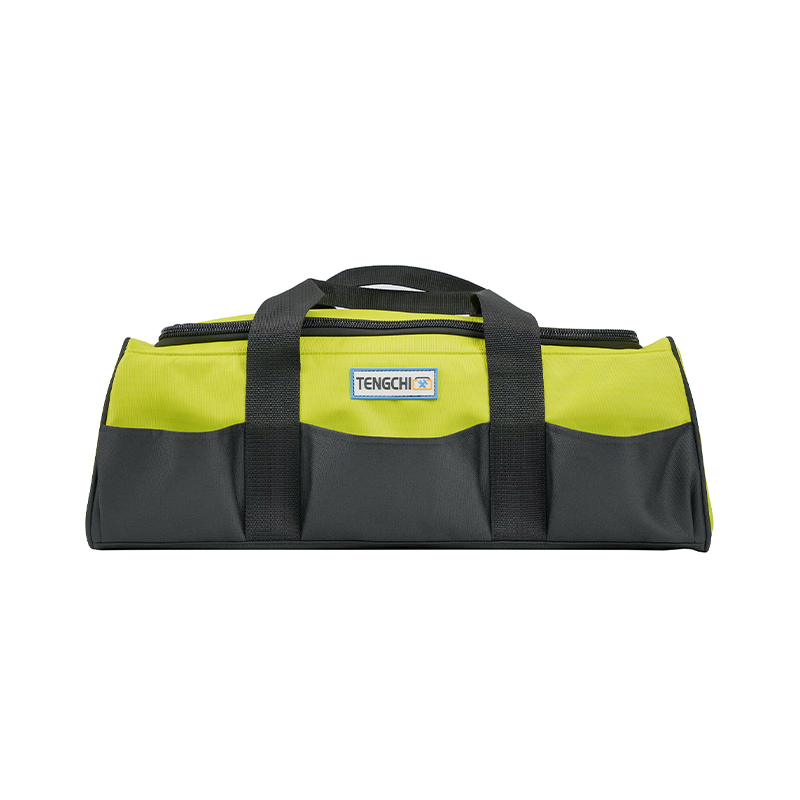
Tool bags are commonly available in three size categories. Small bags (12–14 inches) are best for electricians or IT technicians carrying a focused set of 15–25 tools. Medium bags (16–18 inches) are the most popular choice for general-purpose technicians, balancing capacity and portability. Large bags (20+ inches) suit HVAC or plumbing technicians who carry bulky tools and materials to every job.
Material and Construction Quality
Look for 600D to 1680D polyester or ballistic nylon for the outer shell — the higher the denier rating, the more abrasion-resistant the material. Reinforced stitching at stress points, a molded base that keeps the bag upright, and corrosion-resistant metal zippers are signs of a professional-grade bag. Bags with a reinforced bottom can last 5–10 years under daily use, while cheaper alternatives may fail within months.
Pocket and Organizer Layout
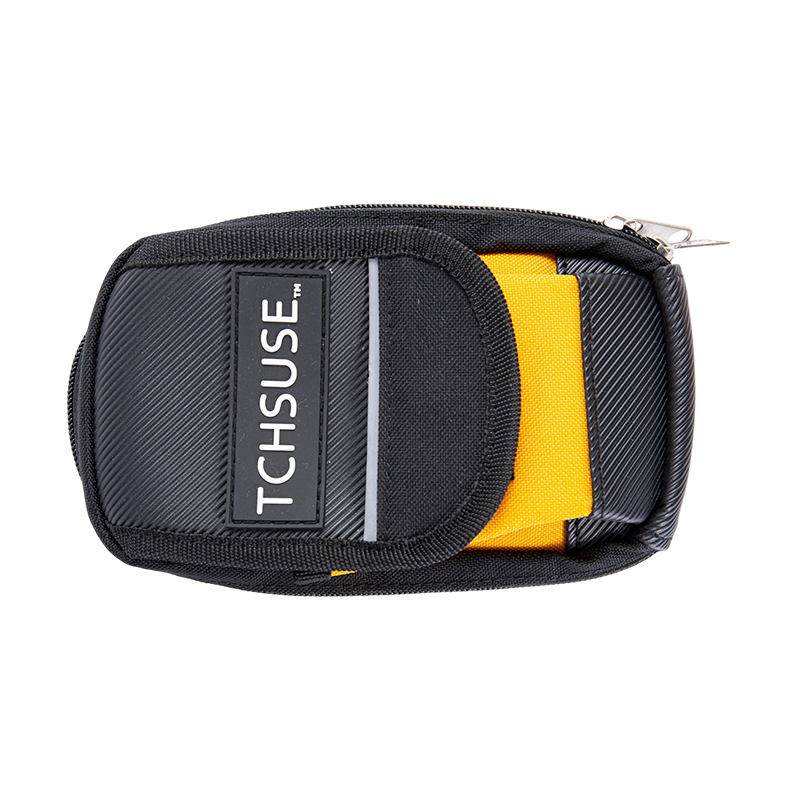
Count the number of tool loops, side pockets, and interior compartments before purchasing. A well-designed technician tool bag should have dedicated holders for common tools like screwdrivers, pliers, and wire strippers so you're not digging through a pile every time. Some bags include removable inner pouches that can be taken out and placed near the work area — a significant productivity advantage.
Can You Use Both a Tool Bag and a Tool Box?
Many professional technicians use a two-system approach: a tool box or rolling chest in their van or garage for full tool storage, and a technician tool bag loaded with the most-used tools for each job site. This strategy avoids the inefficiency of carrying your entire inventory to every call while ensuring you always have the right tools at hand.
For example, an HVAC technician might store an extensive inventory of fittings, gauges, and spare parts in a van-mounted tool box, while carrying a dedicated technician tool bag stocked with hand tools, a multimeter, and refrigerant gauges onto every job. This separation keeps the bag light and manageable — typically under 20 lbs when loaded — while maintaining a full backup inventory nearby.
Final Verdict: Tool Bag vs Tool Box
The decision between a tool bag and a tool box comes down to where and how you work. Choose a tool bag if you're a mobile technician who needs to carry tools efficiently across job sites — it will save you time, reduce fatigue, and improve access speed. Choose a tool box if you work in a fixed location and need maximum organization, protection, and security for a large tool collection.
For most working technicians, the tool bag is the more practical everyday solution. Invest in a high-quality bag made from ballistic nylon with a reinforced base, a thoughtful pocket layout, and a comfortable carry system — and it will serve you reliably through years of professional use.
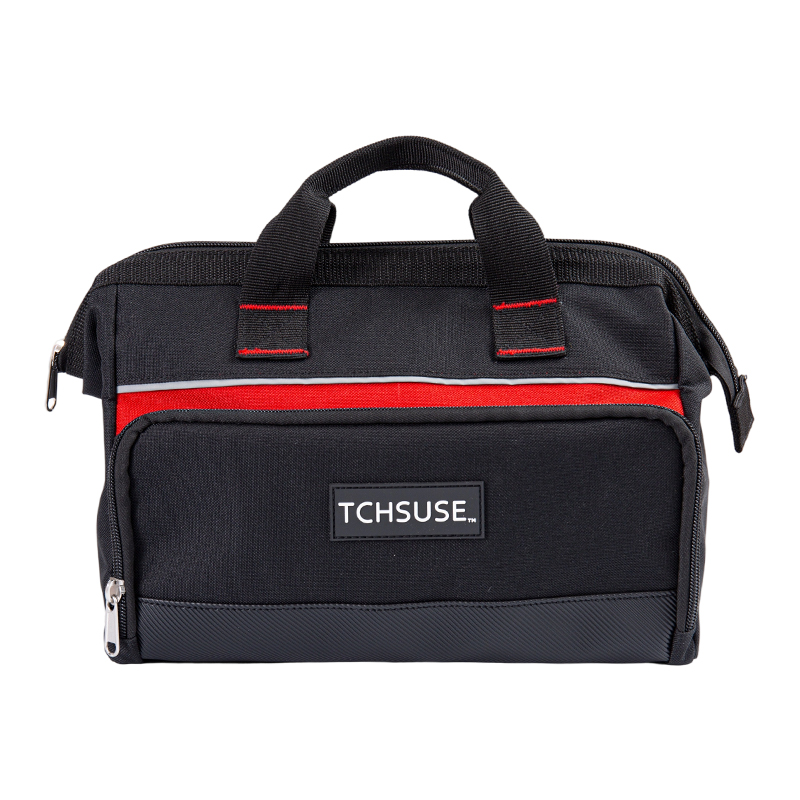
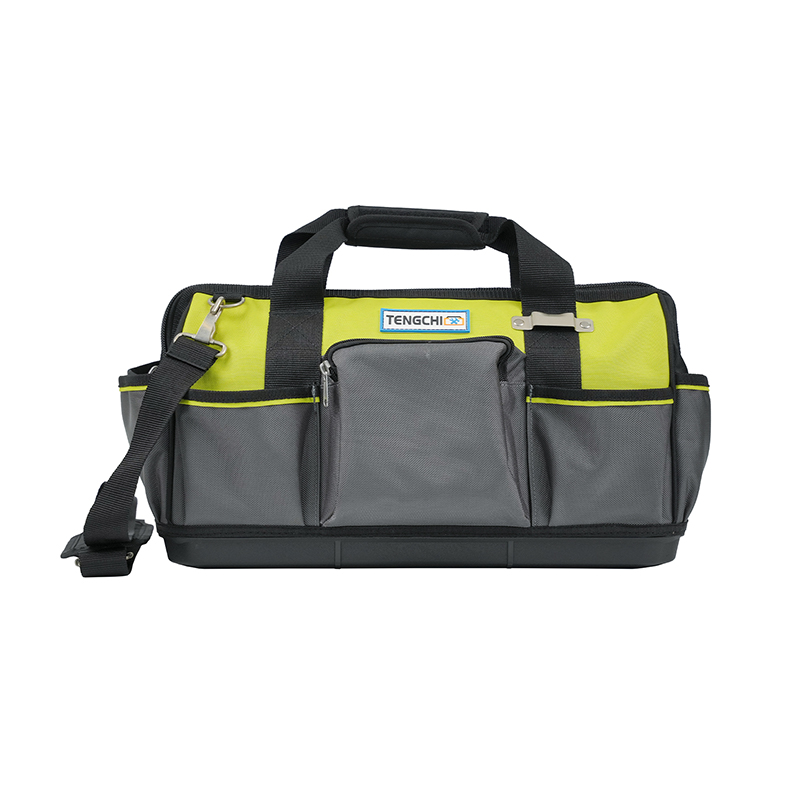

Yancheng Tengchi Tourism Products Co., Ltd. It is dedicated to
designing and producing high-quality tool bags, including
heavy-duty electrician bags.
Experienced staff and experts are always available to provide
you with professional guidance and solutions to technical
problems.
- Product
- Tool Bag
- Tool Backpack
- Capabilities
- Capabilities
- Custom
- About US
- About Tengchi
- Certification
- Quick Connect
- Custom
- Capabilities
- Contact



