
Email: [email protected]

 English
  español
Industry News
Who Is the Tool Belt Bag Suitable For? Complete Guide
 2026.04.15
 Industry News
A tool belt bag is suitable for construction workers, electricians, plumbers, carpenters, HVAC technicians, and serious DIY enthusiasts — essentially anyone who needs frequent, hands-free access to tools while working on-site or at height. Beyond trade professionals, it also serves homeowners tackling renovation projects, maintenance staff in facilities management, and even photographers or outdoor adventurers who need organized gear on the go.
The key benefit is efficiency: studies in construction productivity show that workers spend an average of 15–20% of their workday searching for tools. A well-organized tool belt bag dramatically cuts that time, keeping the most-used tools within arm's reach at all times.
Trade Professionals Who Rely on Tool Belt Bags Daily
For skilled tradespeople, a tool belt bag isn't optional — it's part of the uniform. Here's how different professionals use them:
Electricians
Electricians carry a high volume of small, specialized tools: wire strippers, voltage testers, lineman's pliers, fish tape, and assorted connectors. A tool belt bag with multiple narrow pockets and a dedicated loop system keeps these items sorted and prevents dangerous fumbling near live wires.
Carpenters and Framers
Carpenters need quick access to hammers, tape measures, chisels, and pencils. Framers working on scaffolding benefit especially from deep main pouches that secure tools against accidental drops — a safety concern at heights above 6 feet.
Plumbers
Plumbers frequently work in tight spaces under sinks or in crawl spaces. A compact, lightweight tool belt bag allows them to carry pipe cutters, wrenches, and plumber's tape without dragging a full toolbox into confined areas.
HVAC Technicians
HVAC work involves both hand tools and electronic diagnostic equipment. Technicians benefit from tool belt bags featuring padded compartments to protect meters and gauges alongside standard hand tools.
DIY Homeowners and Weekend Warriors
You don't need a contractor's license to benefit from a tool belt bag. Homeowners who take on their own repairs and renovations are a major and growing user group. According to a 2023 Home Improvement Research Institute report, over 60% of U.S. homeowners completed at least one DIY project that year.
For this group, a tool belt bag solves a common frustration: making multiple trips to retrieve tools mid-project. Whether installing shelving, painting trim, or assembling furniture, having a hammer, level, drill bits, and measuring tape on your hip saves significant time and effort.
- Light home repairs (drywall patching, fixture replacement)
- Furniture assembly and installation projects
- Garden and outdoor maintenance tasks
- Small renovation work like tiling or flooring
DIYers typically need a lighter, medium-capacity bag rather than a heavy-duty professional rig. A single-pouch belt bag in the 1–2 lb range is usually ideal.
Facility Maintenance and Property Management Staff
Maintenance technicians at hotels, apartment complexes, schools, and commercial buildings move constantly between tasks — tightening door hinges, replacing light bulbs, fixing plumbing drips, and adjusting HVAC vents. A tool belt bag serves as a mobile toolkit that eliminates the need to carry a full tool cart to every minor job.
For this use case, features like a phone pocket, key clip, and utility knife holder add meaningful value beyond just tool storage. Many facilities maintenance pros also favor bags with a bottle holder for hydration during long shifts.
Comparing Tool Belt Bag Users by Profession
| User Type | Key Tools Carried | Bag Size Preference | Priority Features |
|---|---|---|---|
| Electrician | Wire strippers, pliers, testers | Medium, multi-pocket | Narrow tool loops, insulation |
| Carpenter | Hammer, tape, chisels | Large, heavy-duty | Deep pouches, hammer loop |
| Plumber | Wrenches, cutters, tape | Compact, lightweight | Water resistance, slim profile |
| DIY Homeowner | Screwdrivers, level, drill bits | Small to medium | Ease of use, comfort |
| Maintenance Tech | Multi-tool, keys, phone | Medium | Key clip, phone pocket |
Non-Traditional Users Who Benefit from Tool Belt Bags
The tool belt bag's functionality has attracted users well outside the construction industry:
Photographers and Videographers
On-location shooters use tool belt bags to carry lens caps, batteries, memory cards, and small lighting modifiers. The hands-free format is far more practical than a shoulder bag when shooting dynamic scenes.
Gardeners and Landscapers
Professional and hobbyist gardeners use tool belt bags for pruning shears, gloves, plant ties, and small trowels — keeping gear accessible while moving through a garden without hauling a cart.
Hikers and Outdoor Enthusiasts
Lightweight tool belt bags work as supplemental carry systems on the trail, holding a multi-tool, first-aid essentials, snacks, and a GPS device for quick access without stopping to open a full backpack.
Event and Stage Crew
Stagehands, rigging crews, and AV technicians rely on tool belt bags during live event setups where speed and mobility are critical. Cable ties, gaffer tape, and basic hand tools stored on the hip mean faster turnaround between set changes.
Key Features to Match the Right Bag to the Right User
Choosing the right tool belt bag depends heavily on who is using it and for what purpose. The following features matter most:
- Weight capacity: Heavy-duty bags handle 10–20 lbs; light utility bags are best under 5 lbs of gear.
- Material: Ballistic nylon and waxed canvas offer durability on job sites; polyester blends suit lighter casual use.
- Pocket configuration: Tradespeople benefit from 10+ pockets; DIYers can manage with 4–6 well-placed compartments.
- Belt width and padding: A padded belt of at least 2 inches distributes weight comfortably for full-day wear.
- Attachment system: Look for universal belt loops or suspender compatibility for heavier loads.
Entry-level tool belt bags start around $20–$40 for basic models, while professional-grade options from brands like CLC Work Gear, DeWalt, or Occidental Leather range from $60 to over $200, reflecting the difference in material quality, pocket count, and load-bearing design.
Who Should Avoid a Tool Belt Bag
A tool belt bag is not the right solution for everyone. Consider alternatives if:
- You primarily work at a stationary bench or workshop where a tool chest is more practical.
- Your tools are predominantly power tools — belt bags aren't designed for drills or circular saws.
- You have lower back or hip issues where waist-mounted weight causes discomfort — a tool vest or shoulder rig may be better.
- Your job requires hauling large volumes of material, where a rolling tool bag or job site box is more efficient.
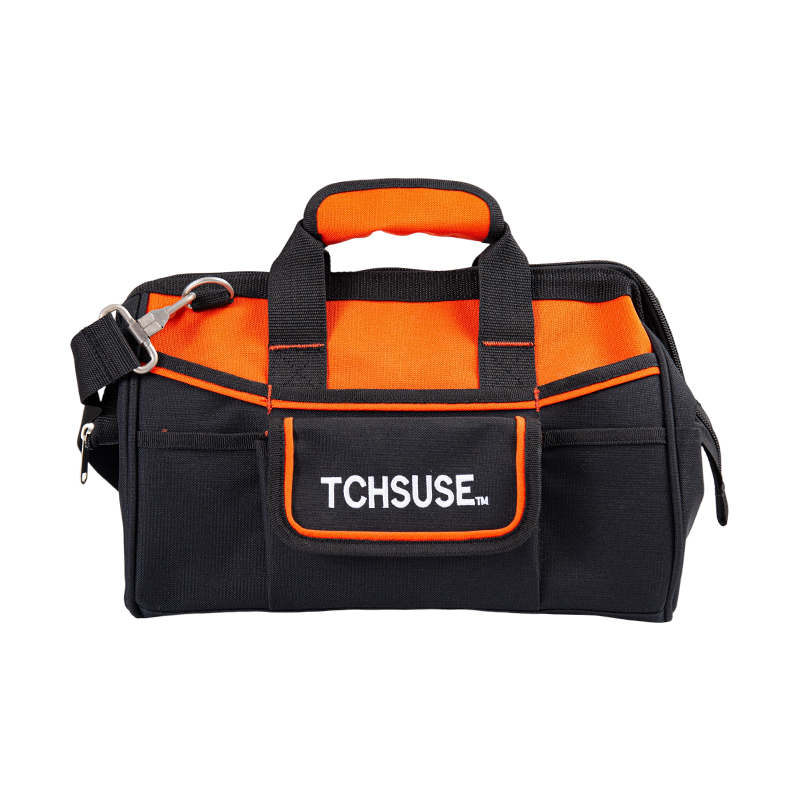
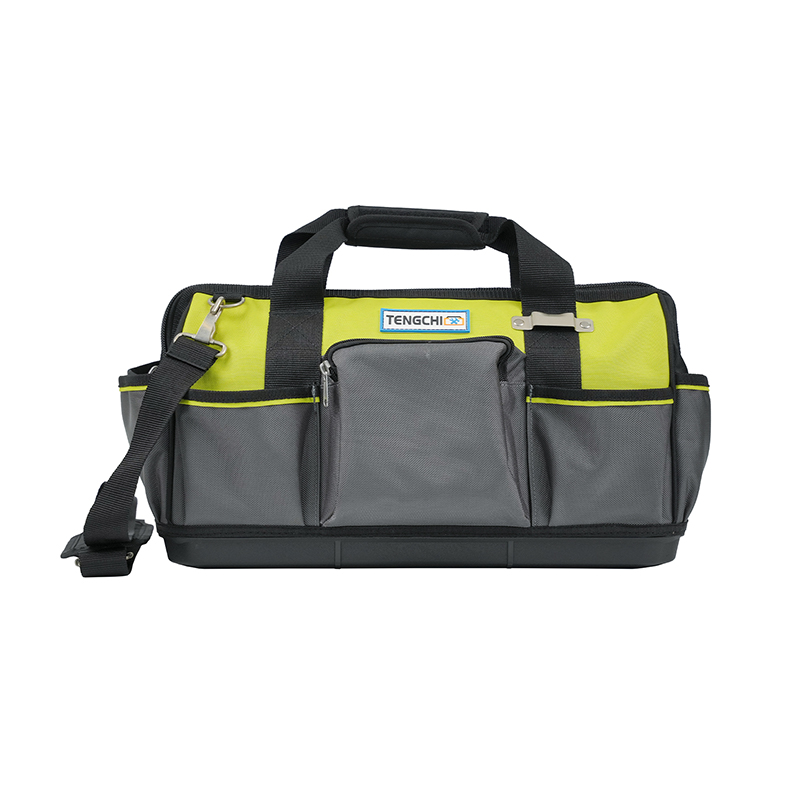
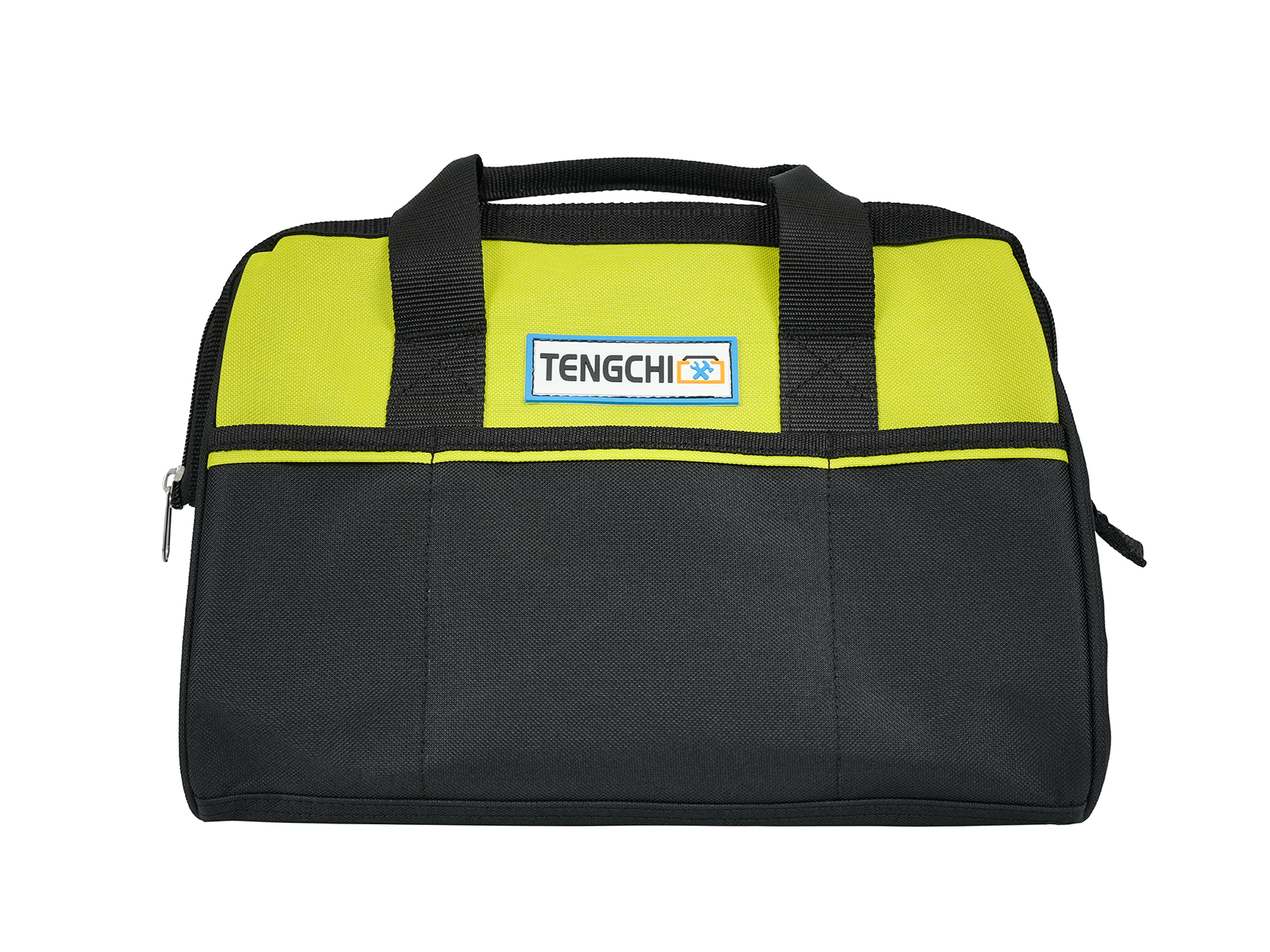
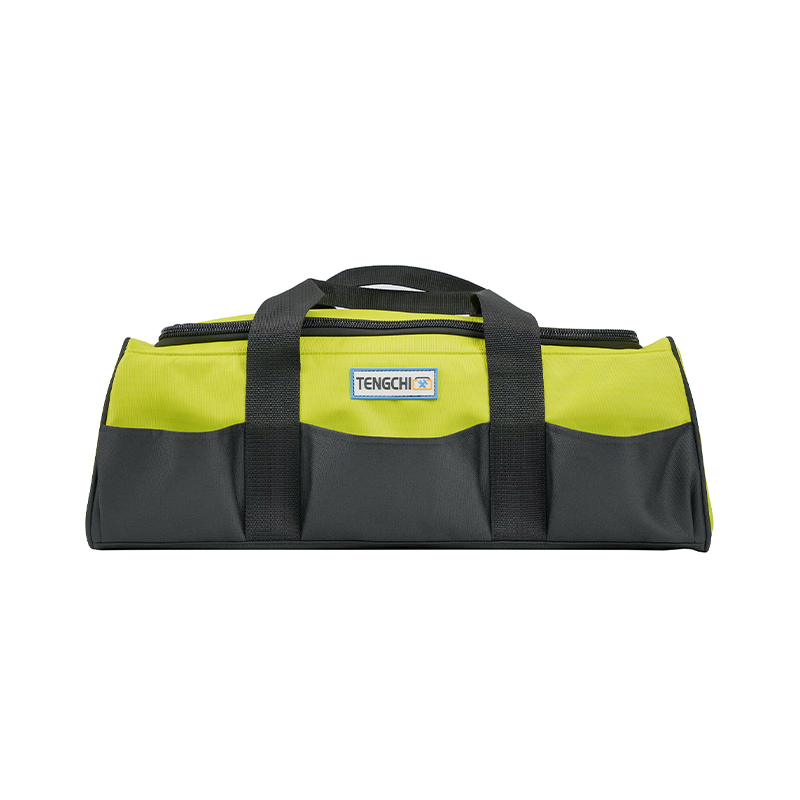
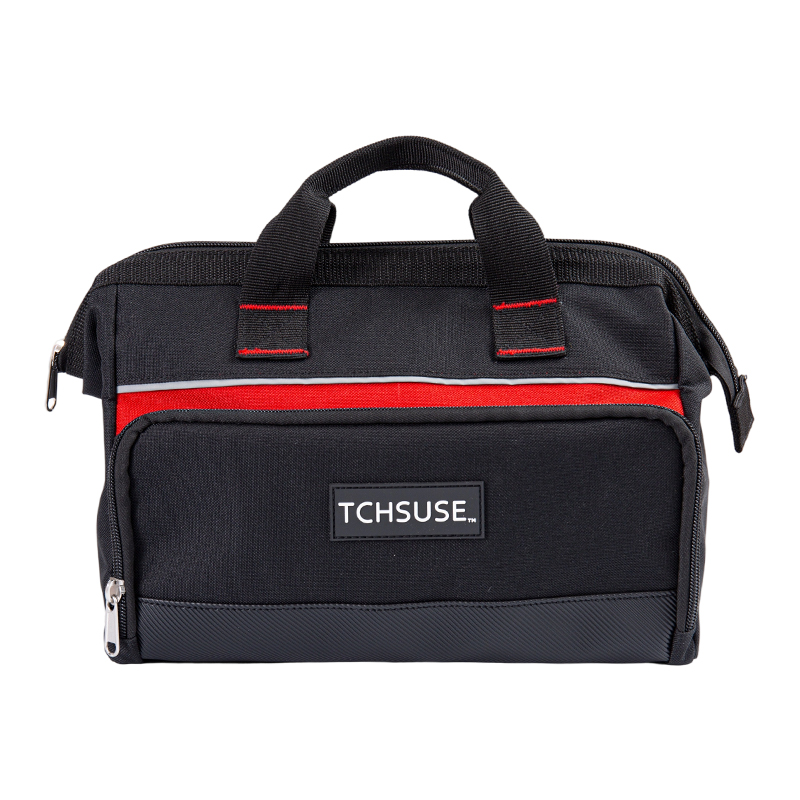
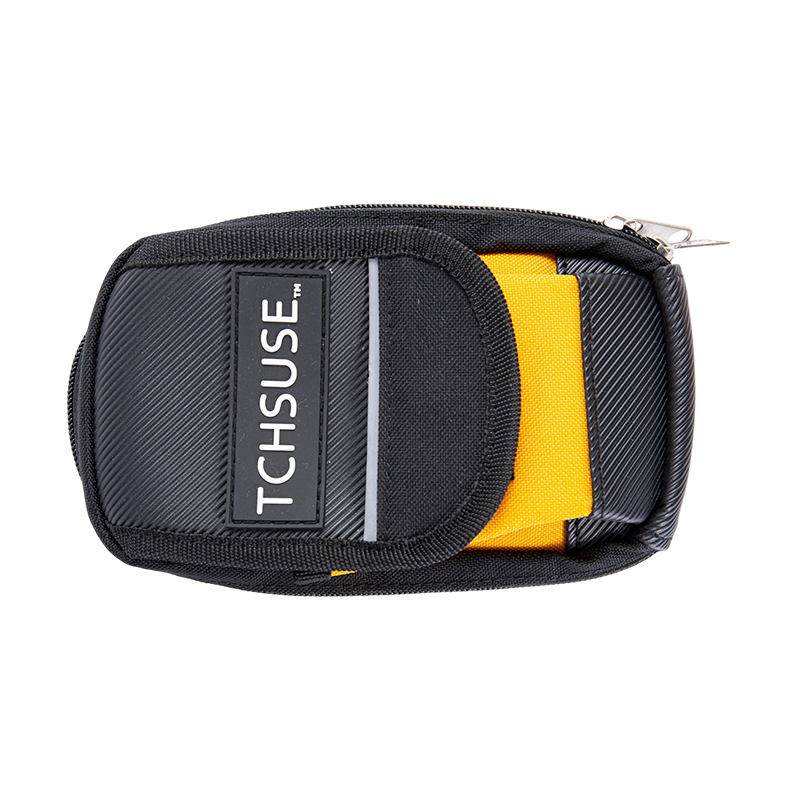

Yancheng Tengchi Tourism Products Co., Ltd. It is dedicated to
designing and producing high-quality tool bags, including
heavy-duty electrician bags.
Experienced staff and experts are always available to provide
you with professional guidance and solutions to technical
problems.
- Product
- Tool Bag
- Tool Backpack
- Capabilities
- Capabilities
- Custom
- About US
- About Tengchi
- Certification
- Quick Connect
- Custom
- Capabilities
- Contact



