
Email: [email protected]

 English
  español
Industry News
What Is an Open-Top Tool Bag, and Who Is It For?
 2026.06.17
 Industry News
What Is an Open-Top Tool Bag, and Who Needs One?
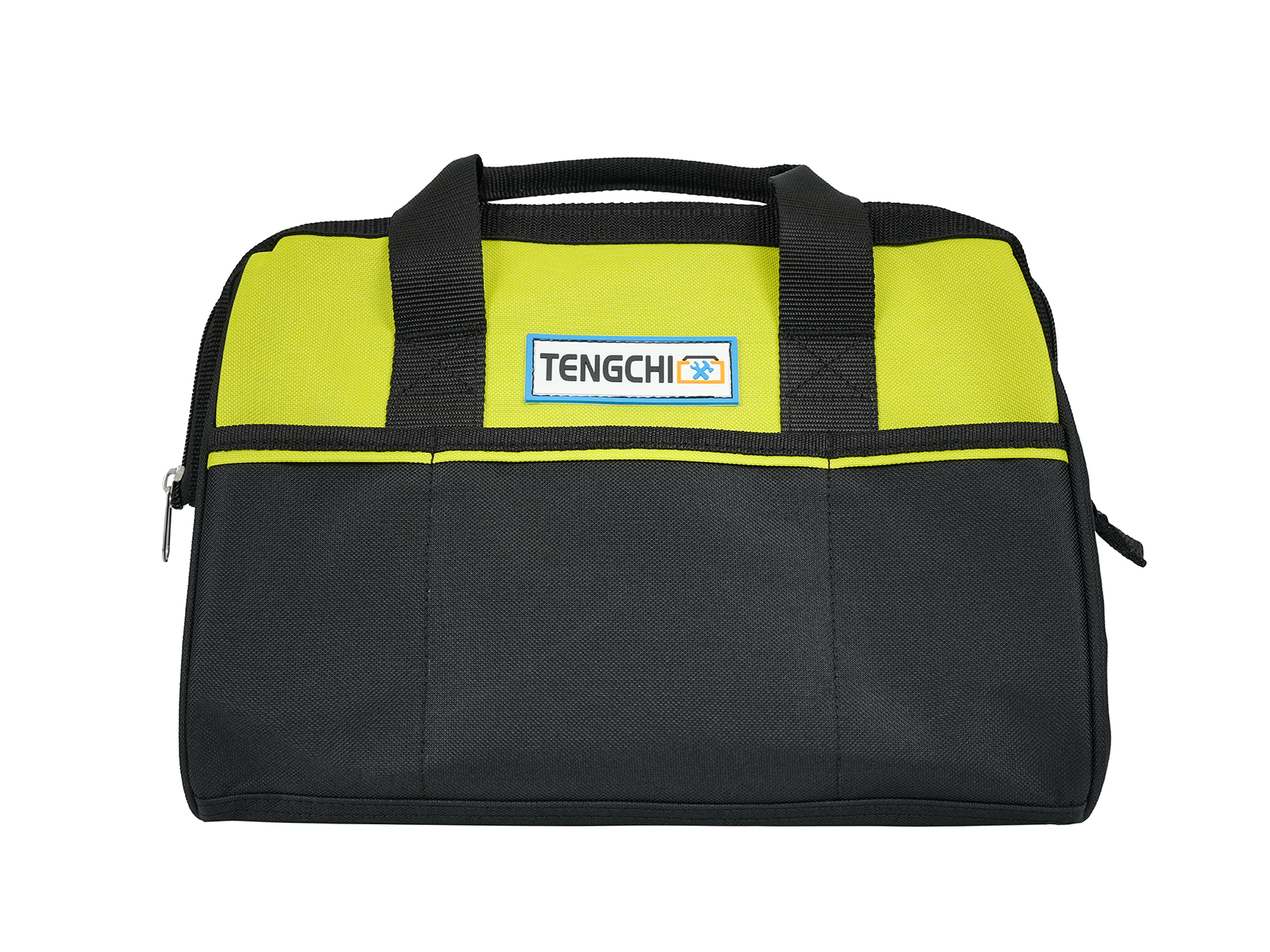
An open-top tool bag is a soft-sided bag with no zipper or flap covering the main compartment, giving instant access to tools and a rigid or semi-rigid base that lets it stand upright on its own. This design suits tradespeople who reach into their bag dozens of times an hour, since removing a zipper saves an estimated 1 to 2 seconds per tool retrieval compared to a fully enclosed bag, which adds up over an 8-hour shift.
Electricians, plumbers, HVAC technicians, and general contractors are the most common buyers, since these trades carry a high volume of small, frequently used tools rather than a few large ones. The sections below cover how open-top bags compare to closed designs, what features actually matter, how to size one correctly, and how to keep it organized and durable over years of job site use.
Open-Top vs. Closed-Top Tool Bags
The choice between an open and closed top usually comes down to access speed versus weather protection. Neither style is universally better; the right choice depends on the work environment.
| Factor | Open-Top Bag | Closed-Top Bag |
|---|---|---|
| Tool access speed | Instant, no zipper to open | Slower, requires unzipping each time |
| Weather protection | Low, contents exposed to rain and dust | High, fully sealed against moisture |
| Best for | Indoor work, vans, frequent small-tool use | Outdoor storage, transport, theft deterrence |
| Typical weight when full | Lighter, simpler hardware | Heavier due to zippers and flaps |
Key Features That Separate a Good Bag From a Cheap One
Base Material and Rigidity
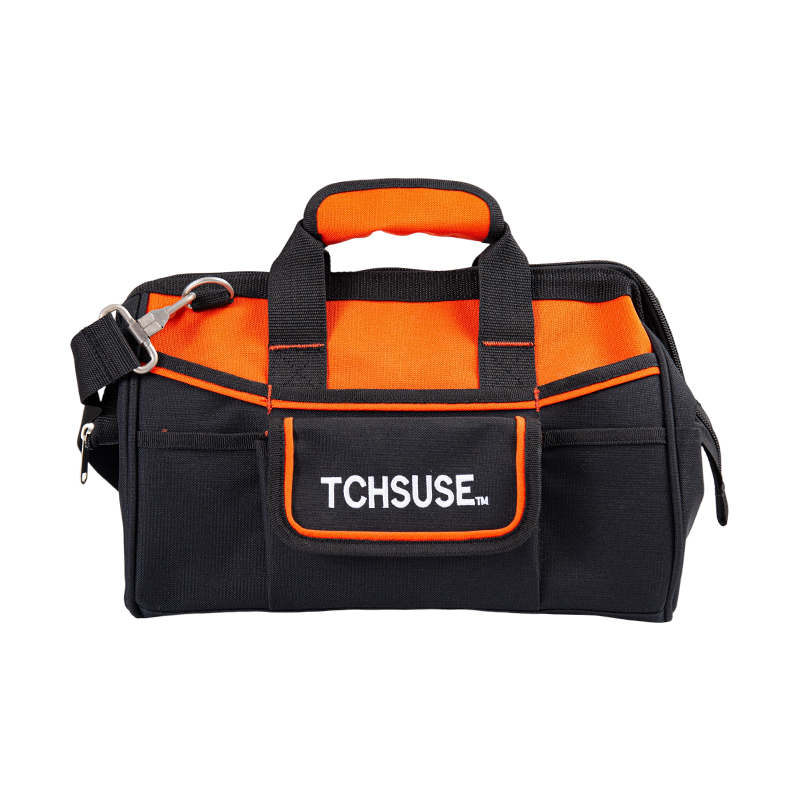
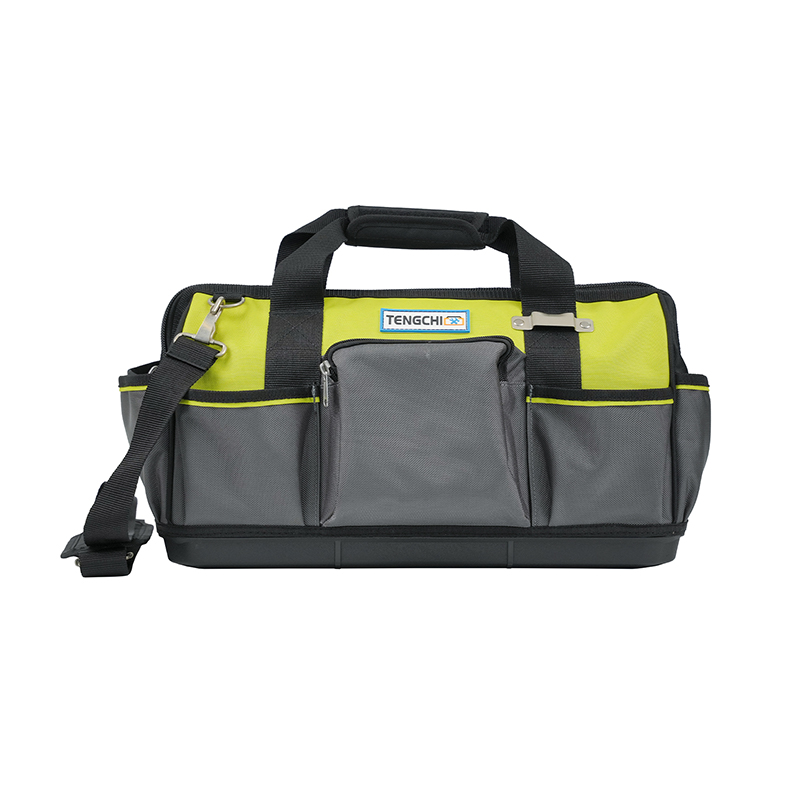
A molded plastic or reinforced fabric base lets the bag hold its shape and stand upright when set on a truck bed or workbench. Bags without a stiffened base tend to collapse and spill once more than 15 pounds of tools are loaded inside, which is a common complaint in budget models.
Fabric Denier Rating
Denier measures fabric thickness and abrasion resistance. Most contractor-grade open-top bags use 600D to 1200D polyester, with 1200D resisting tears from sharp metal edges noticeably better than the 300D to 450D fabric found in lighter-duty consumer bags.
Stitching and Handle Reinforcement
Look for double or triple-stitched seams at the handle attachment points, since this area bears the full load weight every time the bag is lifted. Riveted or webbing-reinforced handles typically support 50 to 75 pounds of total load without tearing, while sewn-only handles on cheaper bags often fail well below that.
Sizing Guide: Matching Bag Capacity to Your Trade
Open-top tool bags are typically sized by length and pocket count rather than volume alone, since pocket layout affects usable capacity more than raw dimensions. The table below outlines common size tiers and the trades they suit best.
| Bag Length | Typical Pocket Count | Best Suited For |
|---|---|---|
| 12 to 14 inches | 15 to 25 pockets | Electricians, light maintenance work |
| 16 to 18 inches | 30 to 45 pockets | Plumbers, HVAC technicians |
| 20 to 24 inches | 50 or more pockets | General contractors carrying mixed tool sets |
How to Organize Tools Inside an Open-Top Bag
Without a lid to hide clutter, a poorly organized open-top bag becomes inefficient fast. Following a consistent layout cuts down on the time spent searching mid-task.
- Assign the outer pockets to the tools used most often, such as a tape measure, utility knife, and pliers.
- Place heavier items like drills and hammers at the bottom of the main compartment to keep the bag balanced when carried.
- Group small fasteners and connectors in zippered pouches inside the main opening rather than loose at the bottom.
- Reserve the end pockets for sharp tools like screwdrivers and chisels, positioned tip-down to avoid snagging fabric.
- Keep a consistent system across jobs so tools return to the same pocket every time, reducing setup time at each site.
Material Choices: Canvas, Polyester, and Leather
- Polyester is the most common choice for open-top bags, offering good abrasion resistance, light weight, and resistance to mildew compared to natural fibers.
- Canvas provides strong puncture resistance and a traditional feel but absorbs water, which can add noticeable weight if used outdoors in wet conditions.
- Leather offers the longest lifespan, with some models lasting 10 years or more under daily use, but costs significantly more and requires periodic conditioning to prevent cracking.
Care Tips to Extend the Life of Your Bag
Open-top bags take more direct exposure to dust, debris, and moisture than enclosed designs, so a bit of routine care goes a long way. Wiping down the interior pockets weekly removes metal shavings and dust that otherwise abrade the fabric from the inside over time. Letting a wet bag air dry fully before storage prevents mildew growth, which can degrade stitching strength within a few months of repeated dampness. For bags with a rigid base, periodically check the base seams for separation, since this is typically the first failure point once a bag has carried heavy loads for a year or more.
Common Buying Mistakes to Avoid
| Mistake | Result | Better Approach |
|---|---|---|
| Choosing size based on price alone | Bag too small for daily tool load | Match size to pocket count needed for your trade |
| Ignoring base material | Bag tips over or sags when loaded | Confirm a molded or reinforced base before buying |
| Overlooking handle reinforcement | Handles tear under heavy loads | Check for riveted or webbing-reinforced straps |
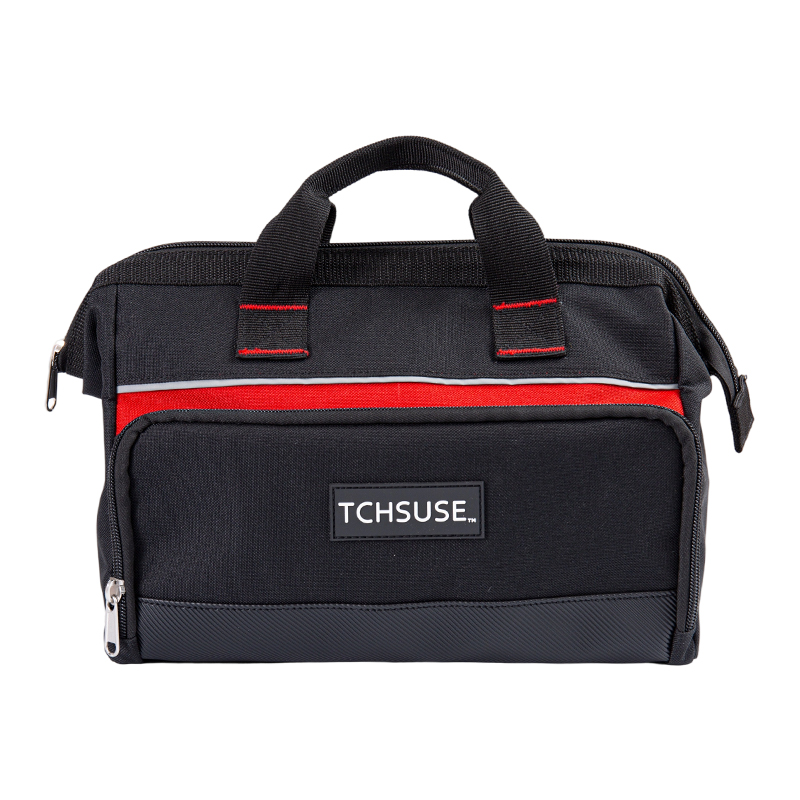
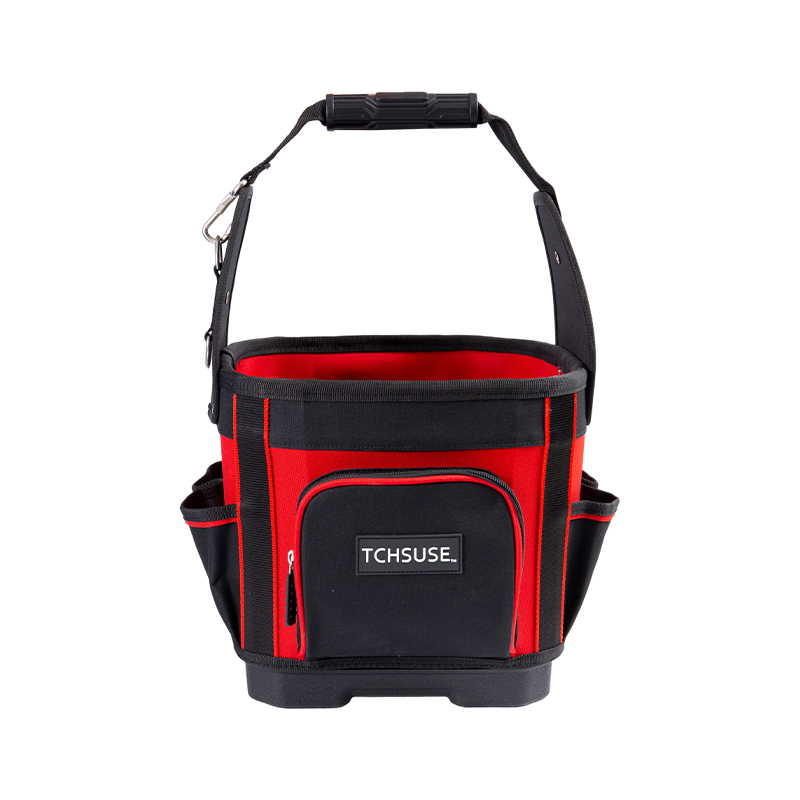

Yancheng Tengchi Tourism Products Co., Ltd. It is dedicated to
designing and producing high-quality tool bags, including
heavy-duty electrician bags.
Experienced staff and experts are always available to provide
you with professional guidance and solutions to technical
problems.
- Product
- Tool Bag
- Tool Backpack
- Capabilities
- Capabilities
- Custom
- About US
- About Tengchi
- Certification
- Quick Connect
- Custom
- Capabilities
- Contact



