
Email: [email protected]

 English
  español
Industry News
HOME / NEWS / Industry News / What Is a Molded Base Tool Backpack? Construction, Features, and Trade Guide
HOME > NEWS > Industry News > What Is a Molded Base Tool Backpack? Construction, Features, and Trade Guide
What Is a Molded Base Tool Backpack? Construction, Features, and Trade Guide
 2026.07.22
 Industry News
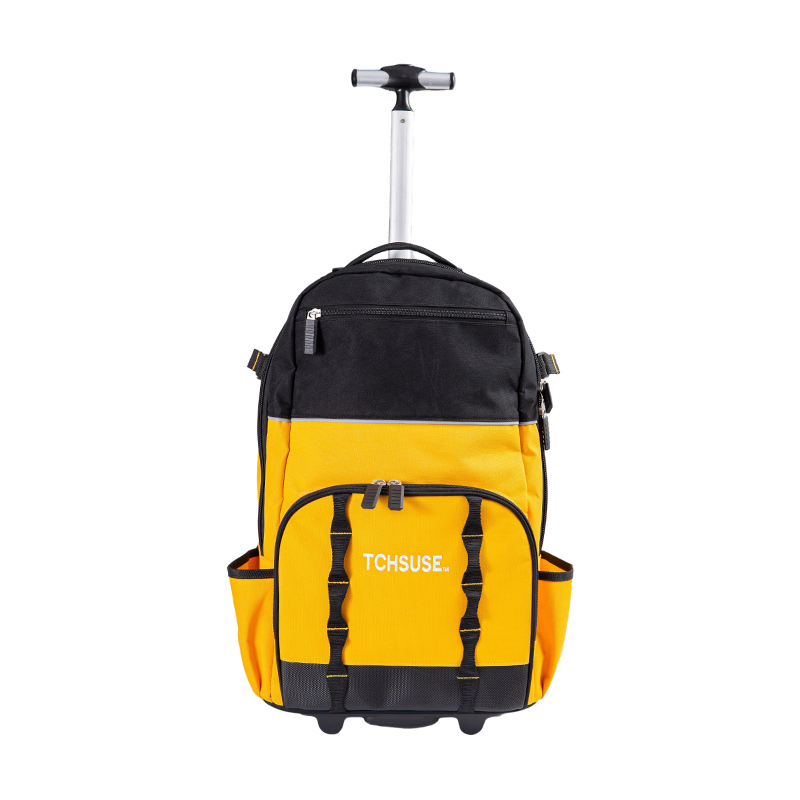
A molded base tool backpack is a heavy-duty tool bag built with a rigid, injection-molded plastic bottom instead of a soft fabric base, so it stands upright on its own, resists water and impact, and protects tools from ground-level moisture, dirt, and drops. This single design change is what separates a job-site-grade tool backpack from a standard hiking or laptop backpack repurposed for tools. Below, we cover how the molded base works, what to look for in construction and pocket layout, and how to match the right model to your trade.
What a Molded Base Actually Does
The base is typically formed from a single piece of high-strength plastic or polypropylene composite, molded to sit flat and square rather than collapsing like a soft-bottomed bag. This combines the flexibility of a backpack with the protective performance of a hard base, so the pack keeps its shape whether it's full or empty and stays stable when set down on uneven ground.
Three practical benefits come directly from this design:
- Tip resistance — a flat, rigid footprint keeps the bag standing upright on ladders, truck beds, and sloped job sites instead of falling over and spilling tools
- Moisture and impact protection — the plastic base is waterproof and keeps tools dry even when set in standing water, wet grass, or on a damp concrete slab
- Drop protection — a solid molded bottom absorbs shock from being set down hard or dropped from a ladder or truck tailgate, protecting sensitive tools and electronics inside
Several manufacturers also cushion the underside of the base with a softer material layer, so the rigidity that protects tools on the outside doesn't translate into discomfort against your back when the pack is worn.
Construction and Materials to Look For
The base only does its job if the rest of the bag is built to match. Most professional-grade molded base tool backpacks use 1680D ballistic polyester, a denier rating that indicates thick, tightly woven fabric fibers designed to resist abrasion, tearing, and punctures from sharp tool edges — a meaningful step up from the lighter fabrics used in consumer backpacks.
Other construction details worth checking before you buy:
- Extra webbing reinforcement around pocket edges and carrying handles, where wear concentrates first
- Heavy-duty, water-resistant zippers rather than standard coil zippers
- Padded, 3D-shaped shoulder straps with slip-resistant material for comfort under load
- A two-way adjustable sternum strap to stabilize the load when climbing ladders or carrying the pack for extended periods
- Multiple foam back pads for airflow and comfort against the spine
Some models are tested and rated to hold a static load of 60 kg, giving buyers a concrete benchmark for how much stress the stitching, straps, and base are engineered to handle before failure — a useful figure to compare across brands rather than relying on marketing language alone.
Pocket Count and Organization: What the Numbers Mean
Pocket count is one of the most-advertised specs on these bags, and it varies widely by model and target trade. The table below shows how pocket totals typically break down across popular molded base tool backpacks currently on the market.
| Total Pockets | Interior / Exterior Split | Best Fit |
|---|---|---|
| 35 pockets | Interior-heavy, laptop sleeve included | Telecom, network, and IT field technicians |
| 38 pockets | 9 exterior / 29 interior | General contractors, HVAC, electricians |
| 44–48 pockets | Balanced interior and exterior loops | Plumbers, mechanics, multi-trade service techs |
| 56–75 pockets | Extensive exterior loops and sleeves | Electricians carrying large, varied hand-tool kits |
More pockets aren't automatically better — the right question is which tools need to be reached first, protected most, and carried most often, since that determines whether you actually need dozens of small dedicated slots or fewer, larger compartments. HVAC packs, for example, typically carry fewer exterior tool loops than electrician packs but reserve more dedicated space for a cordless drill and a mid-sized assortment of drivers, pliers, and wrenches.
Matching a Molded Base Backpack to Your Trade
While the molded base is a shared feature, the pocket layout, insulation, and accessory space differ by profession. Choosing well means matching the pack to how you actually work, not just what it can technically hold.
Electricians
Electricians generally need the highest pocket count and benefit from insulated tool pockets and clearly separated compartments for testers, meters, and small fasteners. A transparent pocket or color-coded fabric section can speed up tool identification significantly when working inside a panel or crawlspace with limited light.
HVAC technicians
HVAC packs prioritize space for gauges, meters, and a cordless drill over dozens of small exterior loops. Because HVAC work often involves crawling under houses or working on ladders near ductwork, a stable molded base that won't tip when set on an angled or dusty surface is especially valuable.
Plumbers
Plumbers work in wet, dirty conditions more often than most trades, so a waterproof molded base and easy-to-clean fabric matter as much as pocket count. Wide-opening main compartments help accommodate bulkier fittings, pipe wrenches, and sealants that don't fit neatly into small pockets.
IT and telecom technicians
This group typically carries fewer traditional hand tools but more electronics — laptops, testers, and cabling equipment. A padded, dedicated laptop compartment (commonly sized for 15 to 15.6-inch devices) separated from the main tool compartment is the priority feature here, since it keeps sensitive electronics away from sharp tools during transport.
Backpack vs. Bag vs. Belt: When the Backpack Makes Sense
A molded base tool backpack isn't automatically the right choice for every job. It competes with tool bags, totes, and belts, and each format has a different strength.
- Choose a backpack when you move between multiple locations in a single day and need both hands free for climbing, driving, or carrying other equipment.
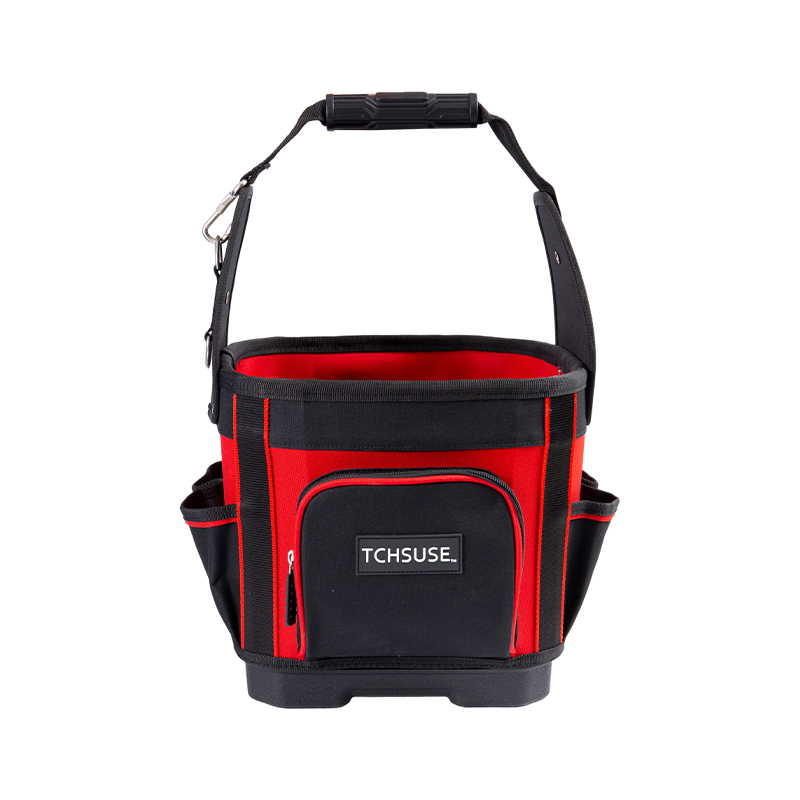
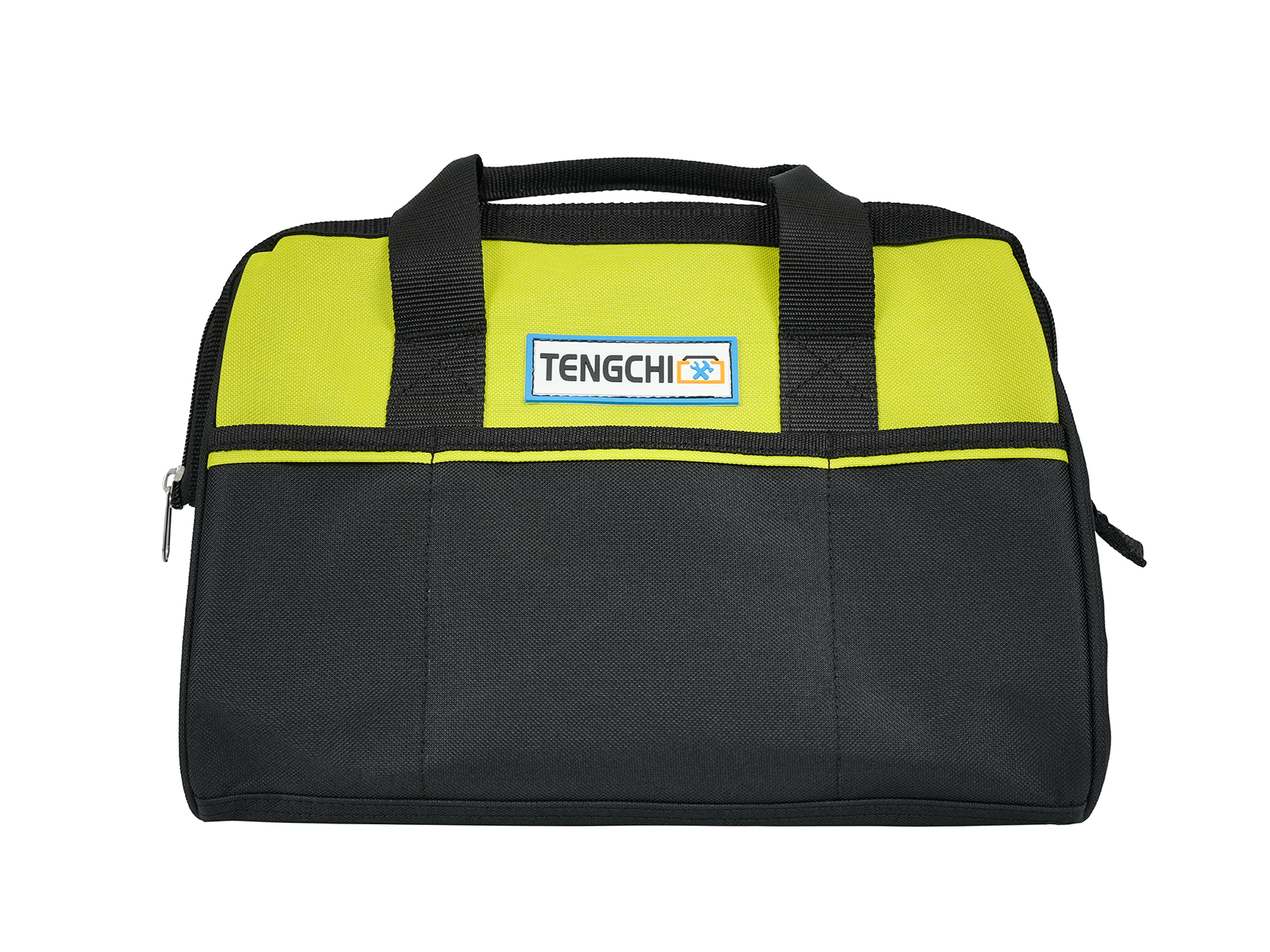
- Choose an open-top tote or bag when you need the fastest possible access to tools at a stationary work area and won't be walking far with it.
- Choose a tool belt when you're constantly bending, kneeling, or climbing and need your most-used tools within arm's reach without setting anything down.
Backpacks generally sit at a mid-range price point compared with these alternatives — quality molded base models are commonly priced in the $80–$120 range, above basic open-top tool bags but below premium modular tool-bag systems, reflecting the added engineering in the rigid base and heavier fabric.
Care Tips That Extend the Life of the Molded Base
The base is durable but not indestructible, and a few habits make a measurable difference in service life.
- Wipe the base down after exposure to concrete dust, drywall compound, or grease, since abrasive residue left to sit can dull the plastic surface over time
- Avoid overloading the front compartment beyond the bag's rated capacity, which puts uneven stress on the seam between the fabric body and the molded base
- Check zipper tracks periodically for grit buildup, a common cause of premature zipper failure on job-site bags
- Store the pack upright rather than on its back or side when not in use, which is one advantage the molded base is specifically designed to support
Followed consistently, these habits help the bag hold its shape and water resistance well past the point where a soft-bottomed alternative would already show sagging, cracking, or leaking at the base seam.

Yancheng Tengchi Tourism Products Co., Ltd. It is dedicated to
designing and producing high-quality tool bags, including
heavy-duty electrician bags.
Experienced staff and experts are always available to provide
you with professional guidance and solutions to technical
problems.
- Product
- Tool Bag
- Tool Backpack
- Capabilities
- Capabilities
- Custom
- About US
- About Tengchi
- Certification
- Quick Connect
- Custom
- Capabilities
- Contact



