
Email: [email protected]

 English
  español
Industry News
Waterproof Tool Bags: The Ultimate Guide for Professionals & DIYers
 2026.06.03
 Industry News
Waterproof tool bags are essential for any professional or DIY enthusiast who works outdoors, in wet environments, or needs reliable gear protection. Unlike standard tool bags, waterproof versions use sealed zippers, coated fabrics, and reinforced seams to keep moisture, dust, and debris out — ensuring your tools remain dry, rust-free, and ready to use. If you work in construction, plumbing, electrical, landscaping, or marine settings, investing in a quality waterproof tool bag can save hundreds of dollars in tool replacement costs annually.
What Makes a Tool Bag Truly Waterproof?
Not every bag labeled "water-resistant" or "waterproof" offers the same level of protection. The difference matters significantly in real-world conditions. Here are the key features that distinguish a genuinely waterproof tool bag:
Material and Fabric
The best waterproof tool bags use 500D to 1000D polyester or nylon with PVC or TPU coating. Higher denier ratings mean denser, more abrasion-resistant fabric. Some premium models use ballistic nylon, which offers both cut resistance and moisture repellency. Avoid bags made from thin canvas or uncoated polyester — they absorb water quickly.
Zippers and Closures
Standard zippers are the most common entry point for water. Waterproof tool bags feature sealed or waterproof zippers (rated IPX4 or higher), which use a rubber-lined track that blocks moisture even under direct spray. Brands like YKK produce industry-standard waterproof zippers widely used in professional-grade bags.
Seams and Base Construction
Taped or welded seams prevent water seeping through stitching holes — a common failure point in lesser bags. Additionally, a molded rubber or hard EVA base protects against puddle absorption and rough surface abrasion, keeping the bag stable and dry even when set down on wet ground.
Top Waterproof Tool Bag Types and Their Best Use Cases
Waterproof tool bags come in several formats, each suited to different work environments and tool sets. Choosing the right type depends on how many tools you carry, how mobile you need to be, and what conditions you face.
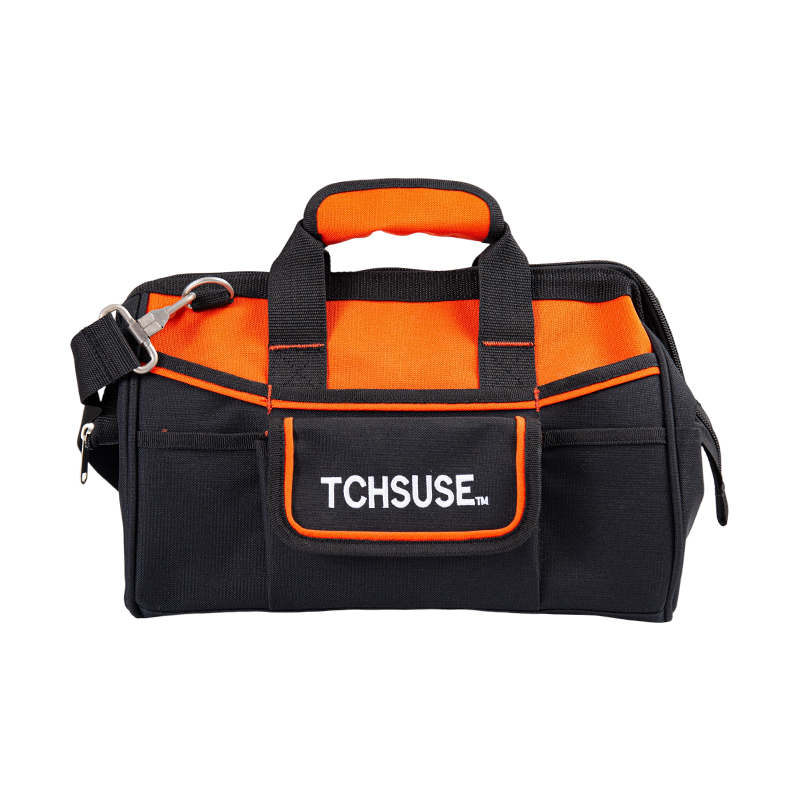
- Open-top tote bags: Best for electricians and plumbers who need fast, wide access to tools. Typically hold 20–50 lbs of gear and offer multiple side pockets.
- Zipper-close bags: Offer full enclosure for maximum waterproofing. Ideal for marine technicians, landscapers, and outdoor construction crews.
- Roll-top dry bags: Originally designed for kayaking, these are now popular for tools because the roll-seal closure creates a near-watertight environment. Great for extreme wet conditions.
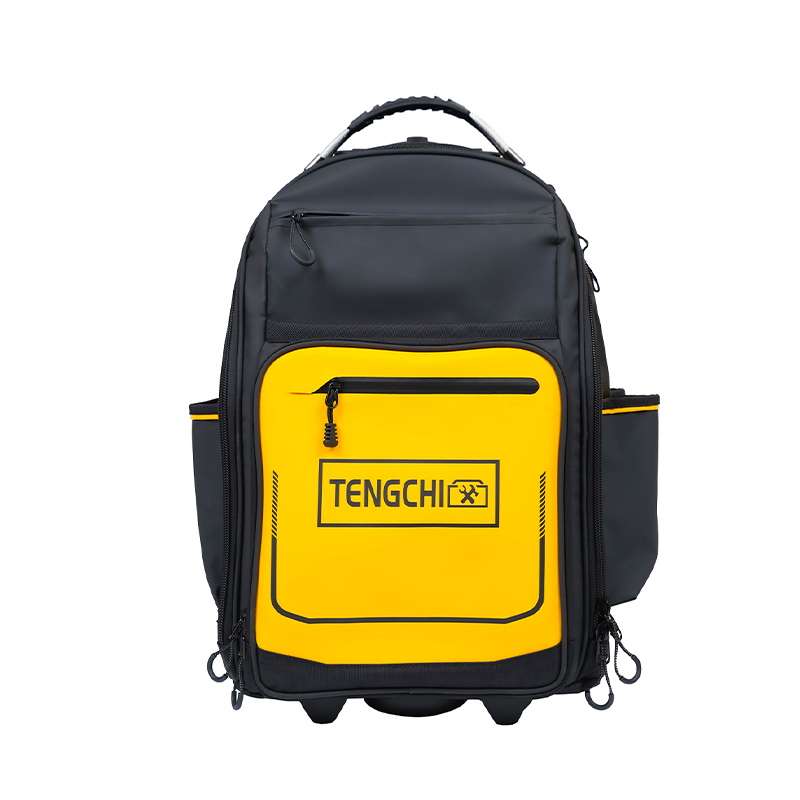
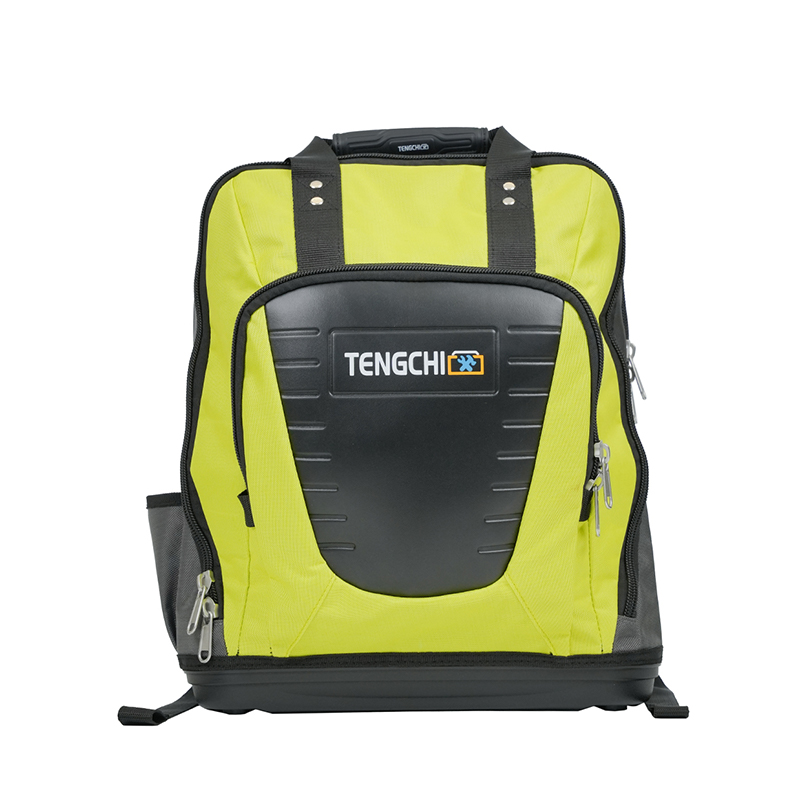
- Backpack-style tool bags: Distribute weight across both shoulders for carrying heavier loads on job sites. Many waterproof versions include chest straps and laptop-compatible compartments.
- Modular tool bags: Feature detachable pouches or inserts that can be rearranged. A good option for technicians who need customized organization.
How to Choose the Right Waterproof Tool Bag for Your Job
Selecting the right bag involves matching specifications to your specific working conditions. Here's a practical framework to guide your decision:
Step 1 — Identify Your Exposure Level
Consider how much moisture your bag will regularly encounter. A roofing contractor working in rain needs a fully waterproof sealed bag, while an indoor electrician who occasionally works near water may only need a water-resistant option. IPX4-rated bags handle rain and splashing; IPX7-rated bags withstand submersion up to 1 meter for 30 minutes.
Step 2 — Assess Your Tool Load
Overloading a tool bag stresses seams and zippers — waterproof or not. Most professional-grade waterproof bags are rated for 30 to 75 lbs (14 to 34 kg). Know your typical load before buying to avoid premature failure.
Step 3 — Consider Organization Needs
Waterproof bags often sacrifice interior pockets for sealed construction. If you carry many small tools, look for bags with internal organizer panels or removable inserts. Some models include clear-window pockets so you can find small items without unpacking.
Step 4 — Think About Portability
If you move frequently between job sites, consider a backpack-style bag or one with a padded shoulder strap. Bags with reinforced rubber handles and padded grips significantly reduce hand fatigue during extended carry.
Benefits of Waterproof Tool Bags Beyond Rain Protection
Many buyers focus solely on moisture resistance, but a good waterproof tool bag provides multiple functional advantages that extend tool life and improve work efficiency:
- Rust and corrosion prevention: Even brief moisture contact can cause rust on steel tools. Sealed bags significantly extend the lifespan of chisels, drill bits, wrenches, and saw blades.
- Dust and debris resistance: PVC-coated fabrics also block fine concrete dust, sawdust, and chemical residues that degrade tool mechanisms over time.
- Easy cleaning: Smooth coated exteriors wipe clean with a damp cloth. No soaking or scrubbing required after muddy or greasy jobs.
- Chemical resistance: Many waterproof coatings resist mild acids, lubricants, and solvents — a key feature for automotive and industrial technicians.
- Professional appearance: Coated bags hold their shape and look clean longer than fabric alternatives, projecting a professional image on client job sites.
Common Mistakes When Buying Waterproof Tool Bags
Even experienced buyers fall into avoidable traps when purchasing waterproof tool bags. Knowing these in advance will help you spend wisely:
- Confusing water-resistant with waterproof. A DWR (Durable Water Repellent) spray coating will bead water initially but fails under sustained rain or submersion. Look for sealed construction and waterproof zipper ratings.
- Ignoring base quality. A bag can have excellent fabric and zippers but fail at the base seam within weeks if the bottom is not reinforced. Always check base construction and look for EVA foam or molded rubber bases.
- Choosing size over organization. A 75L bag is useless if tools shift around and damage each other. Prioritize internal compartmentalization, especially if you carry precision instruments or electronic equipment.
- Overlooking handle and strap quality. Heavy tools put significant stress on handles. Poorly stitched straps separate under load. Look for stitched and riveted attachment points rated for at least 50 lbs (23 kg).
- Not checking zipper type. Even bags marketed as "waterproof" sometimes include standard plastic zippers on outer pockets. Check every zipper — not just the main compartment closure.
Maintenance Tips to Keep Your Waterproof Tool Bag Performing Long-Term
Even the best waterproof tool bag requires basic maintenance to preserve its protective qualities over time:
- Rinse after heavy use: Wash off concrete dust, oil, or chemical residue with clean water and a mild soap. Avoid abrasive brushes that can damage coatings.
- Lubricate zippers regularly: Apply zipper wax or a silicone-based lubricant every 3–6 months to prevent binding and cracking of the waterproof zipper seal.
- Store dry and open: Never pack your bag away wet. Allow it to air dry fully with zippers open to prevent mildew and seal degradation.
- Re-apply DWR treatment: After 12–18 months of heavy use, refresh water repellency with a spray-on DWR product applied to the outer fabric.
- Inspect seams seasonally: Check taped or welded seams for peeling or cracking at the start of each wet season. Small seam tape repairs cost under $10 and can extend bag life by years.
Price Ranges and What to Expect at Each Level
Waterproof tool bags span a wide price range. Understanding what each tier offers helps you avoid overpaying — or under-buying for demanding work.
| Price Range | Typical Features | Best For | Expected Lifespan |
|---|---|---|---|
| $20–$50 | Basic DWR coating, standard zippers, light polyester | Occasional home DIY use | 1–2 years |
| $50–$100 | 600D+ fabric, PVC base, some waterproof zippers | Regular tradespeople | 3–5 years |
| $100–$200 | 1000D+ nylon, fully sealed zippers, taped seams, EVA base | Professional daily use | 5–8 years |
| $200+ | Ballistic nylon, welded seams, IPX7 rating, lifetime warranty | Extreme environments / Marine | 10+ years |
For full-time tradespeople, the $100–$200 range offers the best cost-to-performance ratio, combining genuine waterproofing with the durability to withstand daily abuse without frequent replacement.
Final Verdict: Who Should Invest in a Waterproof Tool Bag?
A waterproof tool bag is a smart investment for anyone who regularly works outdoors, near water sources, or in dusty environments. The upfront cost — typically $50 to $200 for a quality bag — is easily justified when you consider that a single rusted set of quality hand tools can cost $150 or more to replace.
For casual DIY users who work indoors and only occasionally encounter rain, a mid-range water-resistant bag may suffice. But for plumbers, electricians, roofers, marine technicians, and landscapers who work in wet or humid conditions regularly, a fully waterproof bag with sealed zippers, welded seams, and a reinforced base is not optional — it's essential professional equipment.
When shopping, prioritize fabric denier, zipper quality, seam construction, and base reinforcement over brand name or aesthetics. A well-chosen waterproof tool bag will protect your tools, reduce replacement costs, and keep you working efficiently regardless of weather conditions.
Related Products
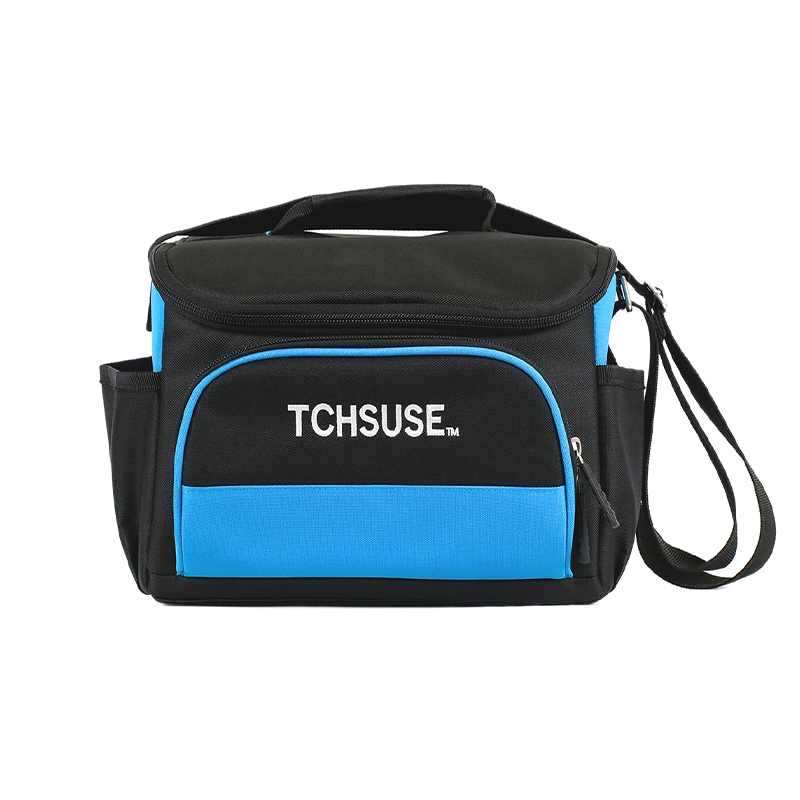
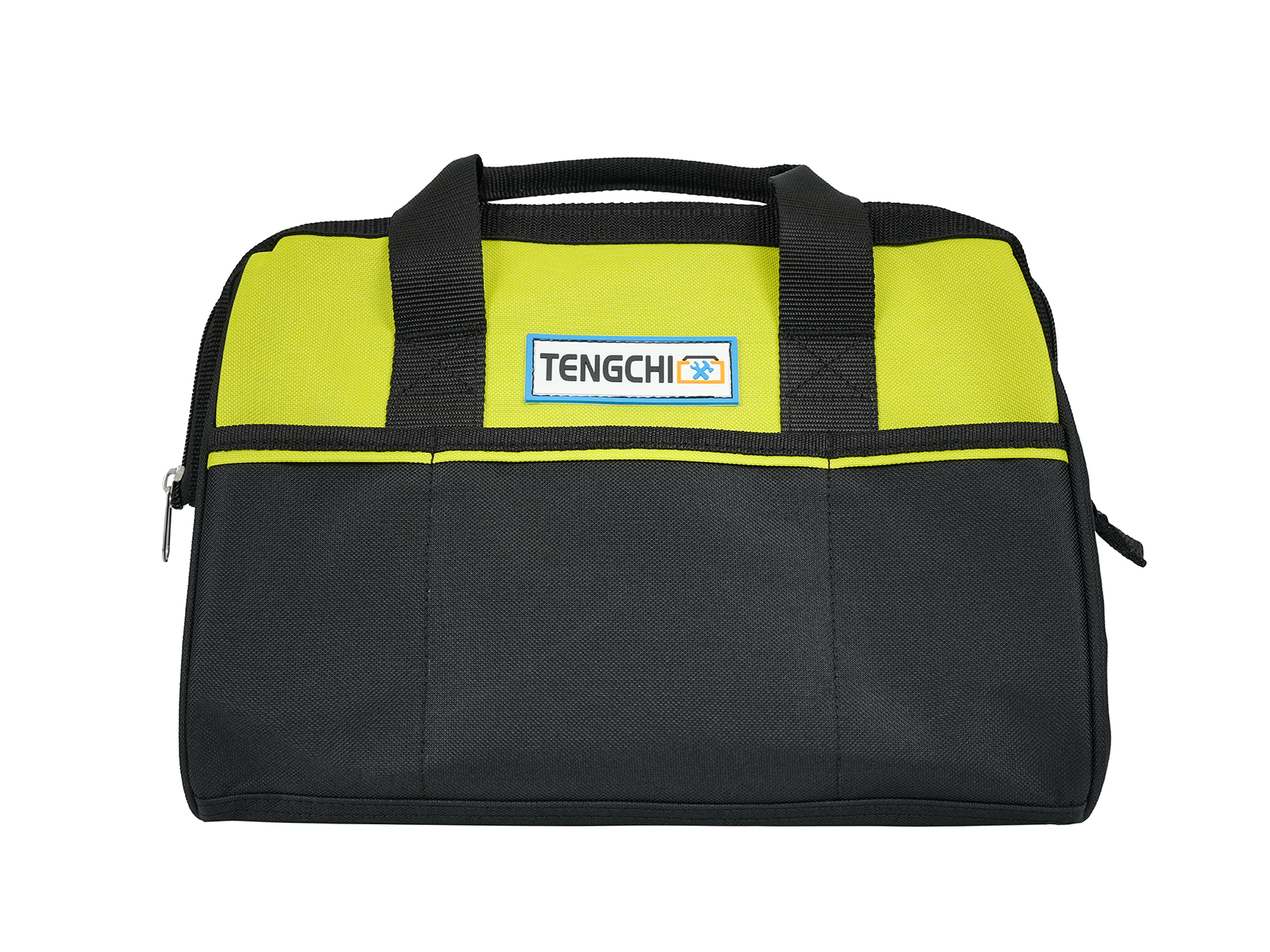

Yancheng Tengchi Tourism Products Co., Ltd. It is dedicated to
designing and producing high-quality tool bags, including
heavy-duty electrician bags.
Experienced staff and experts are always available to provide
you with professional guidance and solutions to technical
problems.
- Product
- Tool Bag
- Tool Backpack
- Capabilities
- Capabilities
- Custom
- About US
- About Tengchi
- Certification
- Quick Connect
- Custom
- Capabilities
- Contact



