
Email: [email protected]

 English
  español
Industry News
Rolling Tool Bag vs Backpack: Which Should You Choose?
 2026.05.06
 Industry News
If you need to carry heavy tools over long distances or through airports, a rolling tool bag is the better choice. If you're climbing ladders, working on rooftops, or navigating tight job sites where both hands must be free, a tool backpack wins every time. The decision comes down to three factors: terrain, load weight, and how often you need hands-free mobility. Most professional tradespeople who travel between multiple job sites end up owning both — using the rolling bag for bulk hauling and the backpack for active on-site work.
What Is a Rolling Tool Bag?
A rolling tool bag is a wheeled soft-sided or hard-sided carrier designed to haul large volumes of tools without putting any weight on your body. Most models feature telescoping handles, inline or all-terrain wheels, and multiple exterior pockets for organized access. Capacities typically range from 18 inches to 24 inches in length, holding anywhere from 50 to 120+ pounds of gear depending on construction quality.
Popular examples include the DEWALT DWST17806 Rolling Tool Bag, which holds up to 75 lbs, and the Milwaukee 48-22-8215 15-inch rolling bag built for job site durability. These bags are favored by HVAC technicians, electricians, and plumbers who carry extensive tool kits to service calls.
Key Features to Look For
- Heavy-duty wheels rated for at least 100 lbs (look for ball-bearing inline skate wheels or rubberized all-terrain wheels)
- Reinforced base panel — ideally aluminum or high-density polyethylene — to protect tools from ground moisture
- Metal telescoping handle with multiple height settings
- Wide-mouth opening for top-load access and visibility
- Ballistic nylon or 1680D polyester fabric rated for abrasion resistance
What Is a Rolling Tool Backpack?
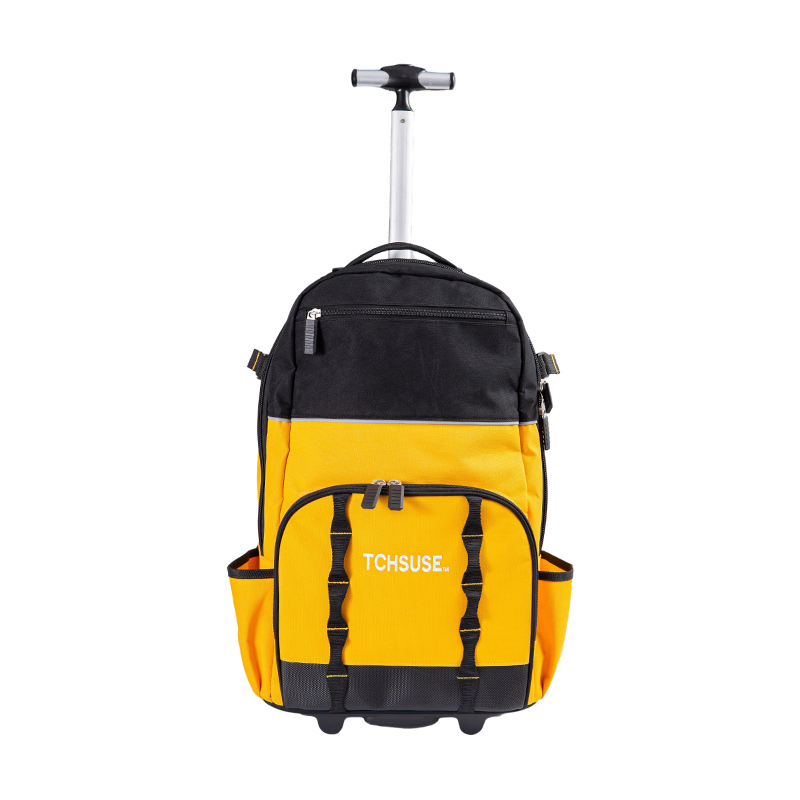
A rolling tool backpack is a hybrid design that combines the wheeled transport of a rolling bag with the wearable versatility of a backpack. These bags have both a telescoping handle and wheel system on one side, and padded shoulder straps that tuck away into a zippered compartment on the other. The dual-carry function makes them ideal for tradespeople who alternate between driving to a site and climbing stairs or scaffolding once they arrive.
Models like the CLC Custom Leathercraft 1165 Roller Tool Bag Backpack and the Veto Pro Pac Tech-LCB are built specifically for technicians and service professionals who can't afford to sacrifice mobility at any point in their workday. Weight capacity typically runs between 40 and 70 lbs in backpack mode, slightly less than a pure rolling bag due to the shared structural compromise.
Who Benefits Most from a Rolling Tool Backpack?
- IT and AV technicians who move through office buildings and data centers
- Elevator mechanics and industrial maintenance workers navigating both flat floors and vertical access points
- Service technicians who park far from job site entrances and must walk long distances
- Tradespeople who travel by public transit or fly frequently to job sites
Rolling Tool Bag vs Backpack: Head-to-Head Comparison
The table below breaks down the core differences across the criteria that matter most to working tradespeople and DIYers.
| Criteria | Rolling Tool Bag | Rolling Tool Backpack | Tool Backpack |
|---|---|---|---|
| Max Carrying Capacity | 100–120+ lbs | 40–70 lbs | 30–50 lbs |
| Hands-Free Mobility | No | Yes (backpack mode) | Yes |
| Performance on Stairs/Rough Terrain | Poor | Moderate | Excellent |
| Long-Distance Transport Comfort | Excellent | Excellent | Poor (body strain) |
| Typical Price Range | $40–$180 | $80–$250 | $30–$150 |
| Ladder / Roof Accessibility | No | Yes (backpack mode) | Yes |
| Organization / Tool Access | High (wide-mouth) | Moderate | Moderate–High |
| Body Strain Over Time | Minimal | Minimal (rolling) / Moderate (pack) | High (heavy loads) |
When a Rolling Tool Bag Is the Right Call
A rolling tool bag is the right choice when load volume and body preservation are top priorities. Carrying 60–80 lbs of tools in a backpack day after day causes serious cumulative strain on the lumbar spine and shoulders — the American Chiropractic Association links heavy bag carrying to chronic lower back injury, and OSHA recommends limiting manual carry loads to below 50 lbs whenever mechanical assist options exist.
Rolling bags shine in these specific scenarios:
- Service vans and fleet vehicles: Rolling bags can be loaded and unloaded quickly from cargo floors without lifting everything at once.
- Flat commercial job sites: Warehouses, factories, data centers, and retail build-outs have smooth concrete floors where wheels are fast and efficient.
- High-volume tool kits: HVAC techs routinely carry 15–25 specialized tools. A rolling bag keeps everything accessible without multiple trips from the truck.
- Aging or injury-prone workers: Any tradesperson with a prior back, shoulder, or knee injury benefits enormously from eliminating carry weight.
When a Tool Backpack Outperforms a Rolling Bag
A tool backpack is indispensable in environments where wheels simply cannot function. Stairs, gravel, mud, scaffolding planks, roof decking, and ladder rungs all neutralize the advantage of a rolling bag — and can actually make it dangerous if it tips or rolls away from a precarious position.
Backpacks also offer better weight distribution when loaded correctly. A properly fitted tool backpack with a hip belt transfers up to 70–80% of load weight to the hips and legs, which are far stronger than the lower back. This makes a 35-lb loaded backpack easier on the body than a 35-lb shoulder bag carried on one arm.
Best Scenarios for a Tool Backpack
- Roofing and exterior work: Carrying tools up extension ladders requires both hands — a backpack is not optional, it's a safety requirement.
- Residential new construction: Framing, drywall, and finish carpentry jobs involve constant movement across rough subfloors, sawdust, and debris where wheels get stuck.
- Hiking to remote job sites: Utility linemen, outdoor maintenance workers, and solar installers covering rural terrain need pack-style carrying.
- Lighter tool loads under 40 lbs: When you're only carrying the essentials, backpack ergonomics are excellent and the hands-free advantage is immediate.
The Rolling Tool Backpack: Best of Both Worlds or Costly Compromise?
The rolling tool backpack is increasingly popular because it attempts to solve both problems — but it comes with real trade-offs. The hybrid design adds weight (most models are 5–8 lbs empty, versus 2–4 lbs for a standard backpack), and the structural compromise means it's not as durable as a purpose-built rolling bag, nor as comfortable as a dedicated ergonomic backpack.
That said, for the right user, the convenience factor is worth the premium. A single rolling tool backpack can replace two separate bags, reducing what tradespeople need to buy, store, and manage. The CLC 1165, for example, retails around $100–$120 and replaces a $60 rolling bag plus a $60 backpack setup while fitting entirely into one vehicle storage slot.
Pros and Cons at a Glance
- Pro: Single bag handles both flat transit and vertical/rough terrain access
- Pro: Saves vehicle storage space and reduces gear to track
- Pro: Ideal for business travel, air travel, and hotel-to-job-site transitions
- Con: Heavier empty weight than either pure option
- Con: Lower max capacity than a dedicated rolling bag
- Con: Wheel hardware can create hot spots on the back when worn as a backpack
- Con: Higher price point than single-purpose alternatives
Material and Durability: What Actually Holds Up on the Job
Regardless of which style you choose, material quality is the single biggest differentiator between a bag that lasts 6 months and one that lasts 6 years. Most budget bags use 600D polyester, which is fine for occasional use but begins to fray and tear under daily professional abuse within a year.
Professional-grade bags use 1680D ballistic nylon or abrasion-resistant polyester with reinforced stitching at stress points. Look for YKK zippers (rated to 50,000+ open/close cycles), welded or bar-tacked stress seams, and rubber feet on the bag base rather than bare fabric sitting on concrete.
Durability Benchmarks by Material
| Fabric Type | Denier Rating | Expected Lifespan (Daily Pro Use) | Typical Price Tier |
|---|---|---|---|
| Standard Polyester | 600D | 6–18 months | Budget ($30–$60) |
| Heavy Polyester | 1200D | 2–4 years | Mid-range ($60–$120) |
| Ballistic Nylon | 1680D | 5–10+ years | Professional ($120–$250+) |
| Thermoplastic (Hard Base) | N/A | 5–8 years (base) | Mid–Professional ($80–$200) |
How to Choose Based on Your Trade
Different trades have different mobility and capacity demands. The right bag type should align with how you actually move through a workday, not just what looks good in a catalog.
By Trade Recommendation
- Electricians: Rolling tool bag for residential and commercial service work; backpack for panel upgrades requiring ladder access.
- HVAC Technicians: Rolling bag for truck-to-equipment-room service; backpack for rooftop units and attic work.
- Plumbers: Rolling bag almost always — heavy pipe tools, fittings, and gauges exceed comfortable backpack limits quickly.
- Carpenters / Framers: Backpack preferred — rough subfloors, stairs, and constant position changes make rolling bags impractical.
- IT / AV / Low-Voltage Technicians: Rolling tool backpack is the top choice — frequent movement through offices, mixed terrain, and moderate tool loads fit the hybrid format perfectly.
- General Contractors: Own both — rolling bag in the truck for bulk storage, backpack on the belt for site mobility.
Top Picks in Each Category for 2024
Based on user ratings, material specs, and professional community feedback, these are the standout options currently on the market.
Best Rolling Tool Bags
- DEWALT DWST17806 (18-inch): Rated 75 lbs capacity, metal telescoping handle, all-terrain wheels. ~$80. Best value for electricians and HVAC.
- Milwaukee 48-22-8215 (15-inch): Compact professional-grade rolling bag with PACKOUT compatibility. ~$100. Best for Milwaukee ecosystem users.
- Klein Tools 55452RTB (22-inch): Extra-large format, 1680D polyester, 120-lb rated base. ~$160. Best for plumbers and large tool kits.
Best Rolling Tool Backpacks
- CLC Custom Leathercraft 1165: 75-pocket hybrid, 50-lb capacity, reinforced base. ~$110. Best entry-level rolling backpack.
- Veto Pro Pac Tech-LCB: Premium waterproof base, exceptional internal organization, built for technicians. ~$240. Best professional-grade rolling backpack.
- STANLEY FMST511310: FatMax series, heavy-duty wheels, compatible with STANLEY modular system. ~$130. Best for users already in the Stanley tool ecosystem.
Final Verdict: Which Should You Buy?
Buy a rolling tool bag if your work involves carrying 60+ lbs of tools across flat terrain, loading from a service vehicle, and minimizing body strain over a full career. It's the highest-capacity, most back-friendly option available when wheels can actually roll.
Buy a tool backpack if your job demands constant vertical movement, ladder access, or navigation across rough or uneven ground. The hands-free advantage is non-negotiable in those conditions, and a well-fitted pack with hip belt support keeps loads manageable up to about 40 lbs.
Buy a rolling tool backpack if you regularly encounter both flat and vertical environments in the same workday, travel frequently, or want to simplify what you carry without giving up versatility. The premium price is justified for IT technicians, AV professionals, and service workers who split their day between parking lots and multi-story buildings.
For most seasoned tradespeople, owning both a rolling bag and a backpack remains the most practical long-term strategy — not because they can't choose, but because different job sites genuinely demand different tools.
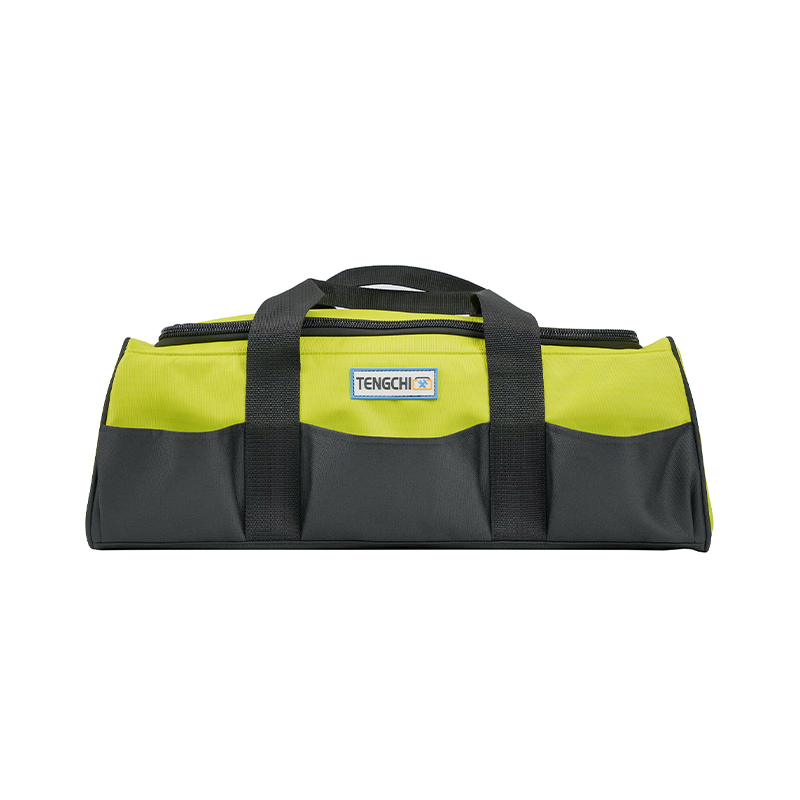
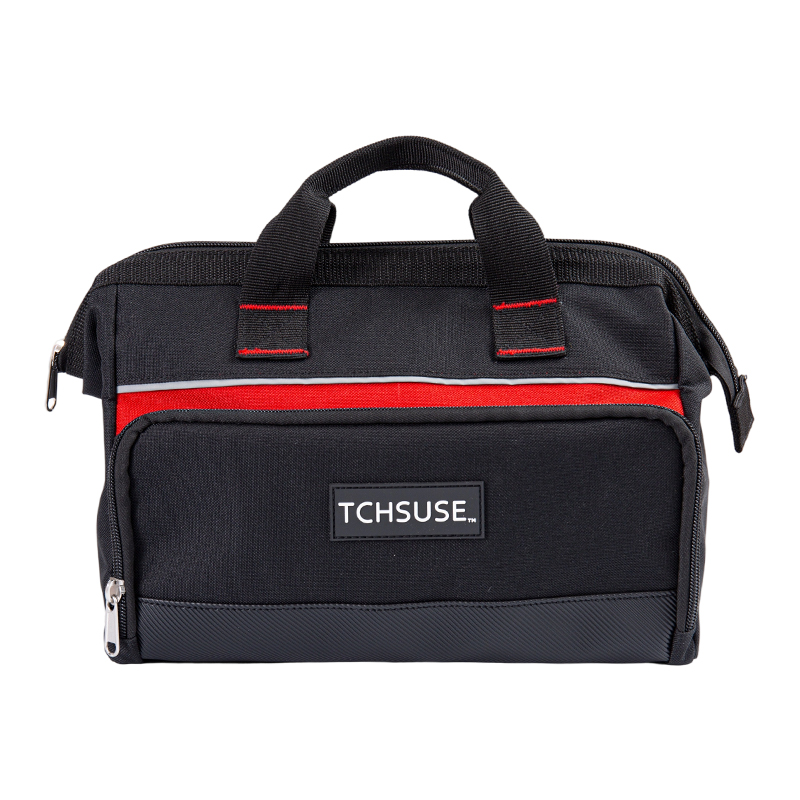

Yancheng Tengchi Tourism Products Co., Ltd. It is dedicated to
designing and producing high-quality tool bags, including
heavy-duty electrician bags.
Experienced staff and experts are always available to provide
you with professional guidance and solutions to technical
problems.
- Product
- Tool Bag
- Tool Backpack
- Capabilities
- Capabilities
- Custom
- About US
- About Tengchi
- Certification
- Quick Connect
- Custom
- Capabilities
- Contact



