
Email: [email protected]

 English
  español
Industry News
HOME / NEWS / Industry News / Leather vs. Nylon Tool Belt Bags: Which Material Survives the Job Site?
HOME > NEWS > Industry News > Leather vs. Nylon Tool Belt Bags: Which Material Survives the Job Site?
Leather vs. Nylon Tool Belt Bags: Which Material Survives the Job Site?
 2026.02.11
 Industry News
In the world of construction, electrical work, and carpentry, your tool belt bag is more than just a storage accessory; it is your mobile workstation. It holds your most essential tools—hammers, drivers, pliers, and fasteners—within arm's reach, allowing you to focus on the task at hand without constantly climbing down a ladder or digging through a heavy toolbox.
However, a common dilemma faces every professional and serious DIYer when it’s time to upgrade their gear: Leather or Nylon? For decades, leather was the undisputed king of the job site, symbolizing craftsmanship and longevity. But with the advent of high-tenacity polymers and "ballistic" weaves, nylon has made a massive push into the market. As we move into 2026, the gap between these two materials has narrowed, but the choice still depends on your specific trade, your environment, and your personal comfort.
Leather: The Classic Standard of Durability
Leather has been the go-to material for tradespeople for centuries. A high-quality leather tool belt bag is often seen as a badge of honor—a piece of gear that ages with the worker and tells a story through its patina.
The Strengths of Leather
- Superior Puncture Resistance: Leather is naturally thick and tough. If you frequently carry sharp objects like wood chisels, knives, or jagged fasteners, leather provides a natural barrier that is very difficult to pierce.
- Shape Retention: Leather has "memory." Once you break it in, the pockets stay open in a specific way, making it easy to blind-reach for a tool without looking.
- Extreme Longevity: It is not uncommon for a well-maintained leather bag to last 15 to 20 years. Unlike synthetic fibers that can fray, leather tends to hold its structural integrity even after thousands of abrasion cycles.
- Safety from Heat: Leather is naturally flame-retardant and won't melt. For workers near welding sparks or high-heat environments, leather is the safer choice.
The Drawbacks of Leather
- The Break-in Period: A new leather tool belt bag can feel stiff and uncomfortable for the first few weeks. It requires time to soften and mold to your body.
- Weight: Leather is heavy. When you add the weight of a full set of tools, the strain on your hips and lower back can be significant over a 10-hour shift.
- Moisture Sensitivity: If leather gets soaked in a rainstorm and isn't dried properly, it can become brittle, crack, or even grow mold. It requires occasional conditioning with oils to stay supple.
Nylon: The Modern Performance Alternative
Modern synthetic tool belt bags are typically made from "Ballistic Nylon" (originally developed for flak jackets) or high-denier polyester (like 1680D fabric). These materials are engineered for the rigors of modern construction.
The Strengths of Nylon
- Lightweight Comfort: Nylon is significantly lighter than leather. For an electrician or a technician who is constantly on the move, reducing the "dead weight" of the bag itself is a major benefit for long-term joint health.
- Breathability: Many nylon bags feature padded mesh backing. This allows air to circulate between the bag and your body, reducing sweat and chafing during summer months.
- Water Resistance: Most high-end synthetic bags are treated with water-repellent coatings. They don't absorb water like leather does, meaning they won't get heavier in the rain and they dry out quickly without specialized care.
- Modular Design: Nylon is easier to sew into complex shapes. This allows manufacturers to add more specialized pockets, zippered compartments for smartphones, and modular "clip-on" systems that aren't feasible with thick leather.
The Drawbacks of Nylon
- Fraying and Sagging: Over time, the edges of nylon pockets can fray if they rub against concrete walls or sharp metal. Also, nylon tends to be "floppy"; if the bag isn't full, the pockets may collapse, making it harder to re-holster your tools.
- Less Puncture Protection: While ballistic nylon is tough, a sharp, unsheathed chisel can eventually poke through the bottom of a nylon pouch more easily than it would through thick cowhide.
Comparison Breakdown: Side-by-Side
| Feature | Leather Tool Belt Bag | Nylon Tool Belt Bag |
| Durability | Extremely High (Decades) | High (3–7 Years) |
| Weight | Heavy | Lightweight |
| Maintenance | Requires Oiling/Conditioning | Low (Wipe with damp cloth) |
| Comfort | Needs break-in, very supportive | Instant comfort, breathable |
| Best For | Framing, Masonry, High-heat work | Electrical, HVAC, Finish Carpentry |
Ergonomics and Long-Term Health
One of the most important aspects of choosing a tool belt bag is how it distributes weight. Regardless of the material, a poorly designed belt can lead to chronic back pain.
- Support Systems: Many modern nylon rigs come with integrated suspenders (harnesses) to move the weight from the hips to the shoulders.
- Padding: Nylon bags often have thick foam padding built-in. Leather bags rely on the natural thickness of the hide, but many professionals add a separate padded liner to their leather belts for better comfort.
Maintenance Tips for Longevity
To ensure your tool belt bag survives the job site, follow these simple care steps:
For Leather:
- Clean: Use a soft brush to remove dust and grit from the seams.
- Condition: Every six months, apply a leather preservative or mink oil. This keeps the fibers from drying out and cracking.
- Dry: If it gets wet, let it air dry at room temperature. Never put it near a heater, as extreme heat will "cook" the leather and make it brittle.
For Nylon:
- Wash: Most nylon bags can be hosed down with water and mild soap.
- Inspect: Look for loose threads at the stress points. Use a lighter to carefully singe any frayed ends to prevent them from unraveling further.
- Hardware: Check the plastic buckles for cracks, especially in cold weather when plastic can become more fragile.
Which One is Right for You?
The "survivor" of the job site depends on your environment.
If you are a framer or a mason working in rough, abrasive conditions where your bag is constantly scraped against stone or lumber, a leather tool belt bag is a classic investment that will likely last your entire career. The weight is a trade-off for nearly indestructible performance.
If you are an electrician, HVAC tech, or finish carpenter who values speed, organization, and back health, a nylon tool belt bag offers the lightweight versatility and modern features you need. You might replace it every five years, but the comfort and convenience are often worth the swap.
In 2026, the best gear is the gear that fits your body and your workflow. Whether you choose the rugged tradition of leather or the high-tech efficiency of nylon, make sure your tool belt bag is a partner that helps you get the job done safely and efficiently.
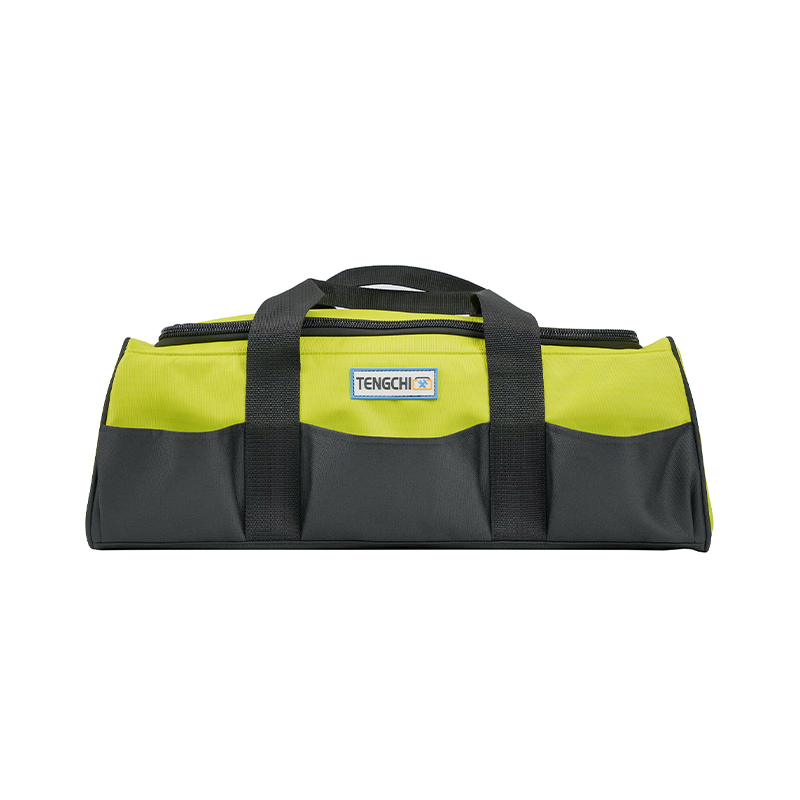
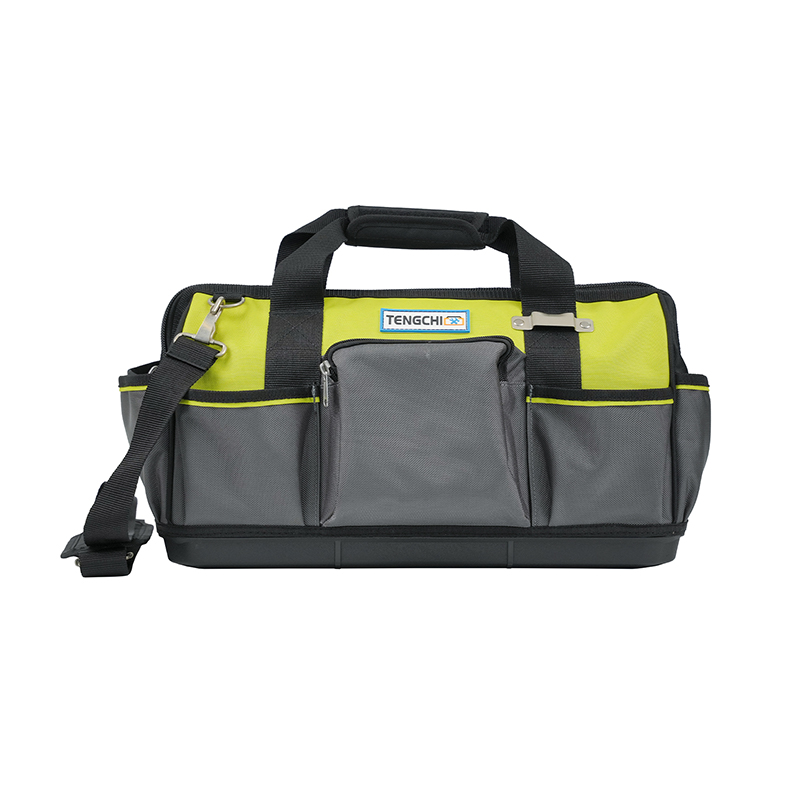

Yancheng Tengchi Tourism Products Co., Ltd. It is dedicated to
designing and producing high-quality tool bags, including
heavy-duty electrician bags.
Experienced staff and experts are always available to provide
you with professional guidance and solutions to technical
problems.
- Product
- Tool Bag
- Tool Backpack
- Capabilities
- Capabilities
- Custom
- About US
- About Tengchi
- Certification
- Quick Connect
- Custom
- Capabilities
- Contact



