
Email: [email protected]

 English
  español
Industry News
HOME / NEWS / Industry News / How Open-top Tool Bags Improve Workflow for Electricians and Technicians
HOME > NEWS > Industry News > How Open-top Tool Bags Improve Workflow for Electricians and Technicians
How Open-top Tool Bags Improve Workflow for Electricians and Technicians
 2026.02.04
 Industry News
Electricians, technicians, and other skilled professionals often rely on efficiency and organization to complete tasks safely and on time. One essential tool for improving daily workflow is the Open-top Tool Bag. Unlike traditional closed bags, open-top designs allow quick access to tools, better organization, and easy portability. These features are especially valuable in fast-paced work environments, where every minute counts.
By understanding the benefits of Open-top Tool Bags, tradespeople can enhance their productivity, reduce fatigue, and maintain a safer, more organized workspace.
Understanding Open-top Tool Bags
An Open-top Tool Bag is a tool-carrying solution characterized by a wide, open access area rather than a zippered or fully enclosed top. This design allows users to see and reach their tools immediately without having to unzip, unclip, or search through multiple layers.
Typically made from durable materials such as heavy-duty canvas, polyester, or reinforced nylon, open-top tool bags include multiple compartments, pockets, and loops to keep tools organized. Sturdy handles and sometimes padded shoulder straps make transporting heavy tools more comfortable, while reinforced bases ensure stability when the bag is set down.
These bags are widely used in electrical work, HVAC maintenance, plumbing, construction, and various technical trades due to their practicality and ease of use.
Benefits of Open-top Tool Bags for Electricians and Technicians
1. Quick Access to Tools
Electricians and technicians often need to switch tools frequently while on the job. An Open-top Tool Bag allows users to grab the tool they need without opening multiple compartments or rummaging through the bag.
For example, when installing wiring or repairing machinery, a professional can reach for a screwdriver, pliers, or tester within seconds. This immediate access improves efficiency and reduces the time spent searching for tools, which can be particularly beneficial in emergency repairs or tight schedules.
2. Improved Organization
Most open-top tool bags feature multiple interior and exterior pockets, loops, and sections. These compartments allow electricians and technicians to sort tools by type, size, or frequency of use.
Organized tool storage not only speeds up work but also reduces the risk of misplaced tools. A well-arranged Open-top Tool Bag ensures that tools are easy to locate, which minimizes interruptions and keeps workflow steady throughout the day.
3. Portability and Convenience
Transporting tools between job sites or within a facility is a daily requirement for many tradespeople. Open-top tool bags are designed with sturdy handles, padded straps, and lightweight yet durable materials, making them easy to carry even when fully loaded.
For technicians who need to move quickly between electrical panels, HVAC units, or mechanical equipment, a portable bag with a reinforced base prevents tipping and keeps tools upright and accessible.
4. Versatility for Different Jobs
Open-top tool bags are versatile and can accommodate a wide range of tools. Electricians may store screwdrivers, pliers, wire strippers, and multimeters, while HVAC technicians can organize wrenches, gauges, and diagnostic tools.
Some bags also feature detachable pouches or additional compartments that can be customized for specific tasks. This adaptability ensures that professionals have the right tools for each job, without needing multiple bags or boxes.
5. Enhanced Safety
A cluttered workspace can be hazardous, especially when working with electricity or heavy machinery. Open-top Tool Bags promote safety by keeping tools off the floor and organized in a stable, upright bag.
Proper storage prevents accidental trips, dropped tools, or misplaced sharp instruments. For technicians working in confined spaces or at heights, the easy visibility and quick access provided by open-top bags reduce the need to reach or move awkwardly, lowering the risk of injury.
6. Durable Construction
High-quality open-top tool bags are built to withstand daily wear and tear in demanding work environments. Heavy-duty stitching, reinforced handles, and strong base materials ensure that the bag can hold a variety of tools, including heavier items like power drills and meters, without losing shape or tearing.
Durable materials also resist abrasion, water, and oil, which are common in workshops, construction sites, and maintenance areas. A well-made Open-top Tool Bag is a long-term investment that supports consistent workflow and reduces the need for frequent replacements.
Applications in Electrical and Technical Work
Open-top Tool Bags are particularly valuable in the following professional contexts:
-
Electrical Installations and Repairs: Electricians can carry wires, testers, pliers, and screwdrivers efficiently, enabling quick installation and maintenance.
-
HVAC and Mechanical Services: Technicians can store gauges, wrenches, and small tools in an organized manner, improving access during diagnostics and repairs.
-
Construction Sites: Workers can carry essential hand tools and portable devices, keeping them ready for multiple tasks throughout the day.
-
Telecommunications and Networking: Technicians can transport patch panels, crimping tools, and testers to maintain cabling and network systems.
-
Automotive Maintenance: Mechanics benefit from easily reachable tools when working under vehicles or in tight engine compartments.
Across these applications, open-top bags contribute to faster, safer, and more organized workflows.
Design Features That Improve Workflow
Several design features make open-top tool bags particularly effective for electricians and technicians:
-
Wide Open Access: Allows tools to be visible and accessible without unzipping the bag.
-
Multiple Compartments: Interior and exterior pockets separate tools by function or size.
-
Reinforced Base: Provides stability and keeps the bag upright even on uneven surfaces.
-
Sturdy Handles and Straps: Facilitate portability for long job site walks or ladder climbs.
-
Durable Materials: Heavy-duty canvas, polyester, or nylon withstands rough handling, moisture, and abrasion.
-
Modular Accessories: Some bags include detachable pouches or pockets that can be customized for specific jobs.
These features collectively enhance accessibility, organization, and efficiency, directly supporting workflow improvements for professionals.
Choosing the Right Open-top Tool Bag
When selecting an Open-top Tool Bag, consider the following factors:
-
Size and Capacity: Choose a bag that fits the tools you use daily without being cumbersome.
-
Material Quality: Look for durable, water-resistant, and abrasion-resistant materials.
-
Compartment Layout: Ensure the bag has enough pockets and loops to organize tools effectively.
-
Portability: Consider handles, straps, and weight for easy transport between job sites.
-
Reinforcement: A sturdy base and reinforced stitching increase longevity and maintain shape.
-
Additional Features: Extra pouches, removable dividers, or specialized loops can improve usability.
Selecting the right bag ensures maximum efficiency, safety, and convenience, making it an essential part of a professional’s toolkit.
Cost and Efficiency Benefits
Investing in a high-quality Open-top Tool Bag offers multiple benefits:
-
Time Savings: Quick access to tools reduces time spent searching or retrieving equipment.
-
Reduced Fatigue: Lightweight, well-designed bags with padded straps reduce strain during long shifts.
-
Safer Work Environment: Organized tools minimize hazards and clutter.
-
Durability: Long-lasting bags reduce replacement costs and maintain performance over time.
-
Improved Productivity: With tools organized and accessible, electricians and technicians can complete tasks faster and more efficiently.
These benefits make open-top tool bags a practical, cost-effective solution for professionals in various technical trades.
Related Products
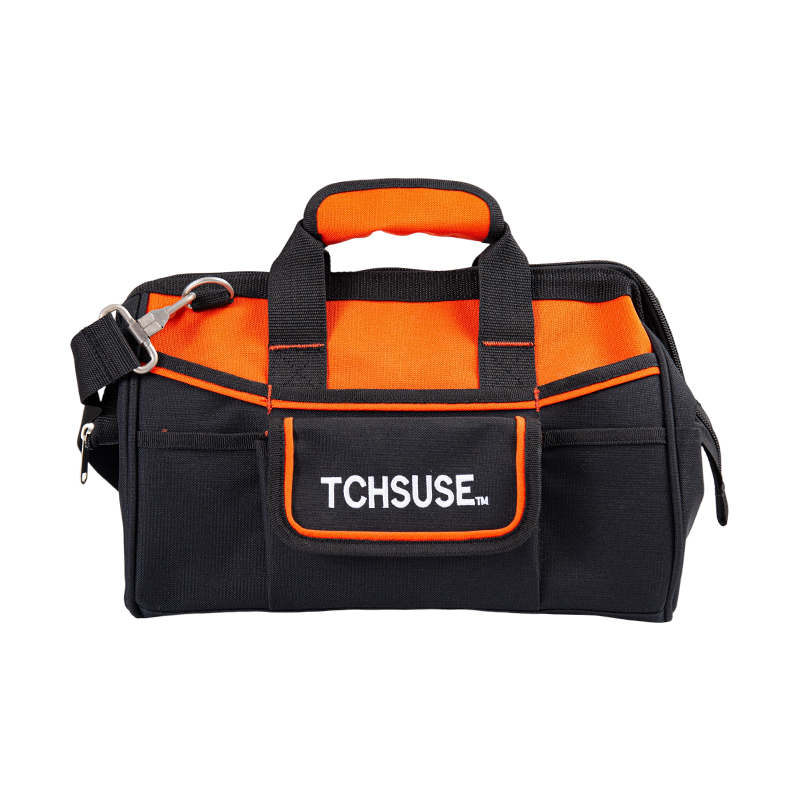
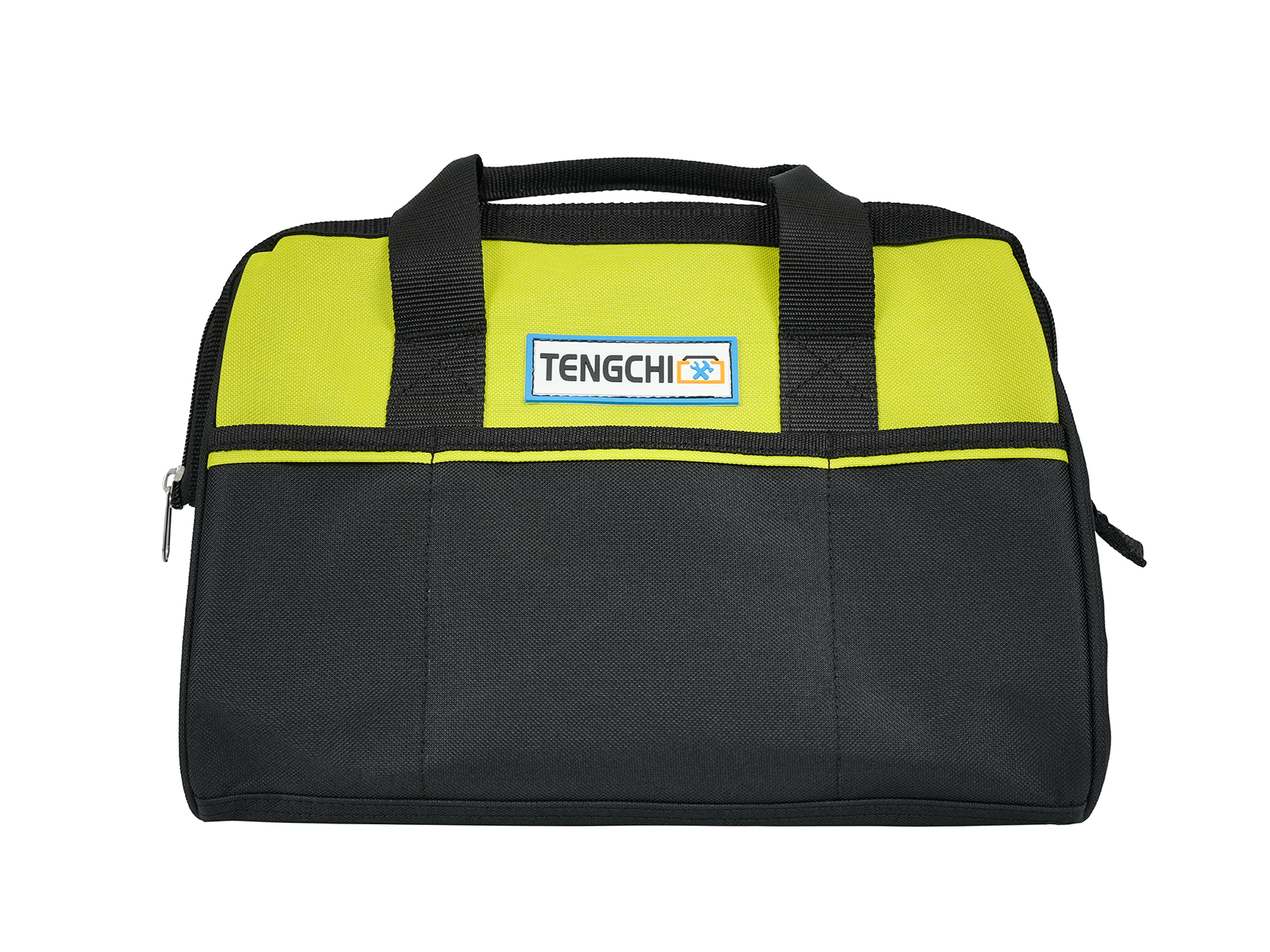
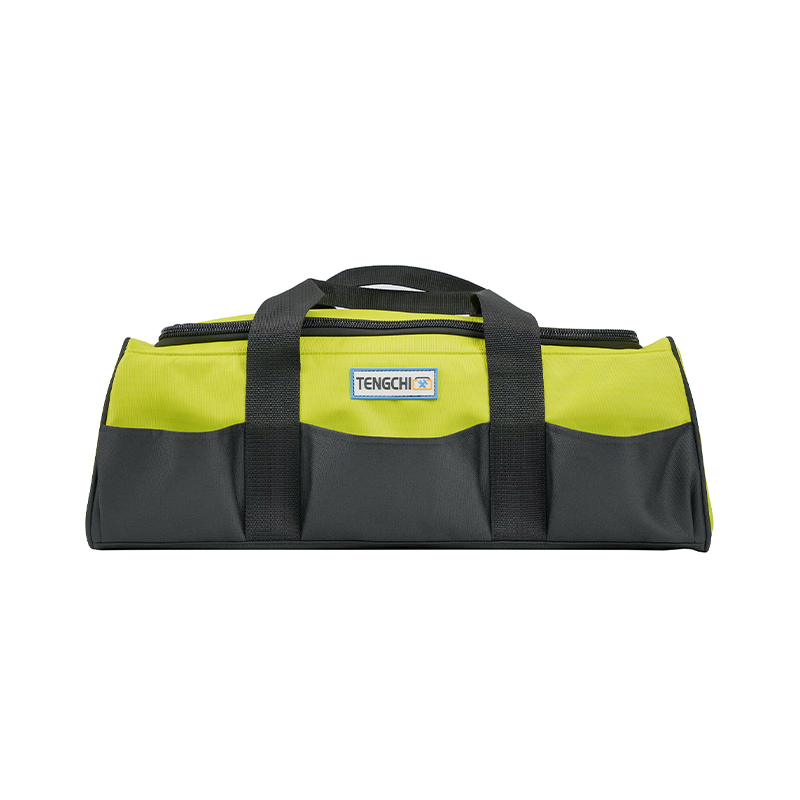
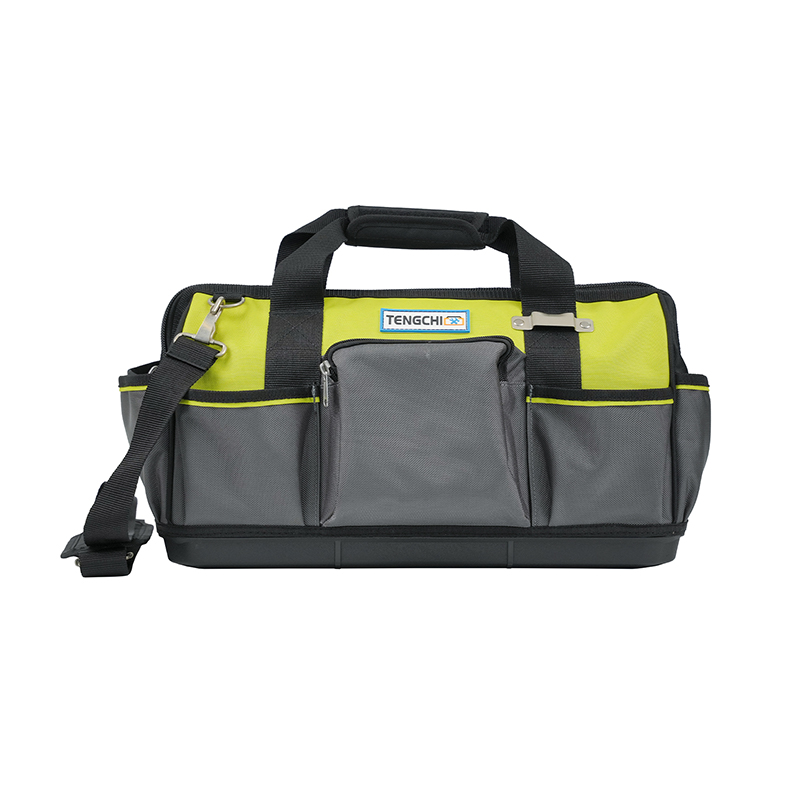

Yancheng Tengchi Tourism Products Co., Ltd. It is dedicated to
designing and producing high-quality tool bags, including
heavy-duty electrician bags.
Experienced staff and experts are always available to provide
you with professional guidance and solutions to technical
problems.
- Product
- Tool Bag
- Tool Backpack
- Capabilities
- Capabilities
- Custom
- About US
- About Tengchi
- Certification
- Quick Connect
- Custom
- Capabilities
- Contact



