
Email: [email protected]

 English
  español
Industry News
How to Choose the Right Tool Bag for Your Professional Needs
 2026.01.14
 Industry News
When it comes to working in a trade, having the right tools is crucial, but having the right way to carry those tools is equally important. A tool bag serves as the essential storage and organization solution for professionals in many industries, ensuring that tools are easily accessible, safe, and neatly arranged. Whether you’re a mechanic, electrician, contractor, plumber, or even a DIY enthusiast, choosing the right tool bag can have a significant impact on your workflow, productivity, and overall job satisfaction.
Consider the Type of Work You Do
Before making a purchase, it's important to assess the nature of your work and the specific tools you use. Different professions have unique needs when it comes to tool organization and storage.
Contractors and Builders
If you're in the construction or renovation industry, you'll need a durable, spacious tool bag that can accommodate a wide variety of tools, from hammers and tape measures to power drills and screwdrivers. A large, heavy-duty tool bag with multiple compartments and external pockets can be an excellent option.
- Features to Look For: Reinforced handles, padded straps, and large internal spaces to hold power tools, fasteners, and accessories.
- Durable Material: Opt for canvas or nylon materials that are strong enough to support heavy equipment.
Electricians
Electricians typically need a tool bag that allows them to carry a range of hand tools, wires, electrical testers, and small components. A bag with smaller pockets and dividers for organizing these tools is ideal.
- Features to Look For: Pockets for screwdrivers, pliers, wire cutters, and a dedicated compartment for testers.
- Size Consideration: Since electricians don’t usually need to carry heavy tools, a medium-sized, compact bag with easy access to small tools will be beneficial.
Mechanics
For mechanics, the tool bag needs to accommodate heavy-duty hand tools and some power tools, as well as small parts and accessories. You’ll want a bag that can handle the weight and keep tools organized in an efficient manner.
- Features to Look For: Strong zippers, exterior loops for hanging tools, and a bag with reinforced stitching for added durability.
- Material Consideration: Leather or polyester tool bags are ideal for holding mechanical tools and offering extra protection against oil or grease stains.
Plumbers
Plumbers often need to carry wrenches, pipe cutters, plungers, tape measures, and small hand tools. A water-resistant tool bag would be ideal, especially for carrying tools in wet or muddy conditions.
- Features to Look For: A waterproof base and internal dividers to separate tools.
- Size Consideration: Since plumbing tools can vary in size, a medium to large bag with the ability to carry pipes or other bulky items would be most effective.
Material Matters: Durability and Protection
The material of your tool bag will directly impact its durability, weight, and ability to protect your tools. It's essential to choose a material that can withstand the conditions of your specific job.
Canvas and Nylon
- Durability: Both canvas and nylon are strong, lightweight, and water-resistant, making them perfect for general-use tool bags. They can handle daily wear and tear and provide sufficient protection for tools in most environments.
- Pros: Affordable, lightweight, flexible.
- Cons: Not as resistant to punctures or heavy-duty use as leather.
Leather
- Durability: Leather is a strong and durable material, particularly well-suited for those who need to carry heavy, sharp, or abrasive tools. Leather tool bags offer a classic appearance and are highly resistant to wear and tear.
- Pros: Long-lasting, heavy-duty protection, stylish appearance.
- Cons: Heavier and more expensive compared to synthetic materials.
Polyester
- Durability: Polyester tool bags are a great option for heavy-duty work, as they offer superior resistance to abrasions and moisture. These bags are easy to clean and often come with reinforced stitching for added strength.
- Pros: Water-resistant, lightweight, strong and durable.
- Cons: Can be prone to wearing out over time if not well-maintained.
Metal Frames and Hard-Shell Bags
Some professionals may prefer a tool bag with a metal frame or hard-shell design for extra protection, especially if they’re carrying tools that need to be securely stored and protected from damage.
- Pros: Rigid structure, more protection for sensitive equipment.
- Cons: Heavier and may not be as flexible in design.
Size and Capacity: How Much Can You Carry?
The size of your tool bag should correspond to the amount of tools you need to carry. A bag that's too small may force you to leave tools behind, while a bag that's too large can become cumbersome to carry around.
Small Tool Bags
Ideal for workers who need to carry just a few essential tools, such as a mechanic’s tool kit or electrician’s hand tools. These are usually compact and lightweight, allowing easy access to tools without being bulky.
- Best For: Electricians, plumbers, handymen.
- Capacity: Enough space for basic hand tools like screwdrivers, pliers, and a tape measure.
Medium Tool Bags
A medium-sized bag is great for those who need to carry a wider variety of tools but don't want to deal with the bulk of a large tool bag. This size is suitable for most professionals like contractors and small-scale builders.
- Best For: Contractors, mechanics, general-use professionals.
- Capacity: Space for multiple hand tools and smaller power tools, with room for a few spare parts.
Large Tool Bags
If your job requires carrying heavy-duty tools and accessories, a large tool bag with multiple compartments is the way to go. These are great for those who need to carry large power tools, spare parts, and more specialized equipment.
- Best For: Construction workers, large-scale contractors.
- Capacity: Large power tools, extension cords, fasteners, and materials.
Organization and Accessibility
A well-organized tool bag can save you valuable time during your workday. The more organized your tools are, the faster you can find exactly what you need without wasting time searching.
Compartments and Pockets
A tool bag with multiple compartments and pockets makes it easier to keep your tools separated and organized. Consider bags with both small and large pockets to accommodate different sizes of tools, along with some external pockets for quick-access items.
- Zippered Pockets: For storing small items like screws or nails securely.
- Mesh Pockets: For easy visibility of tools or items you need quick access to.
- Dividers: For keeping larger tools organized and preventing them from banging into each other.
Tool Loops and Clips
Some tool bags come equipped with tool loops and clips that allow you to hang frequently used tools like hammers, drills, or wrenches on the outside of the bag. This can save time and make it easier to reach tools without having to dig into the main compartment.
Top Opening vs. Side Access
- Top-opening bags provide wide access to the contents and are easier to fill up.
- Side-access tool bags allow for more organized storage and can help prevent items from falling out.
Comfort and Portability
As a professional, you might carry your tool bag for extended periods, so it’s important that your tool bag is comfortable to carry. Look for tool bags with adjustable padded straps or reinforced handles that will reduce strain on your shoulders or hands.
Shoulder Straps and Handles
A tool bag should have strong handles or shoulder straps that are comfortable for carrying heavy loads. Padded shoulder straps or ergonomic handles can make carrying a large, full bag much more comfortable, especially over long distances.
Rolling Tool Bags
For those who need to transport a large amount of equipment over longer distances, rolling tool bags are an excellent choice. These bags come with a handle and wheels, making it easier to move heavy tools across flat surfaces without straining your back.
Related Products
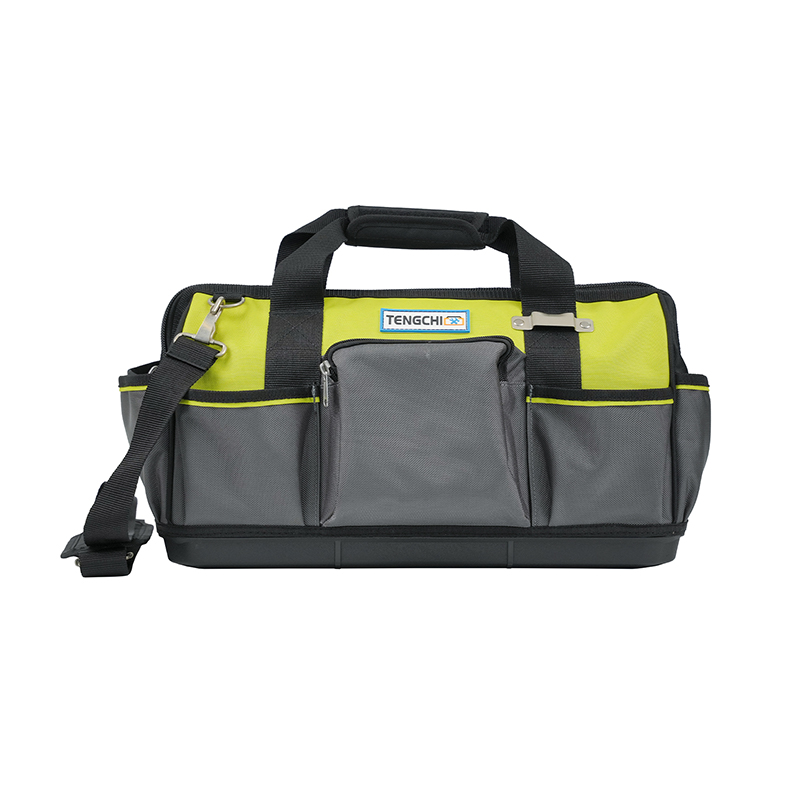
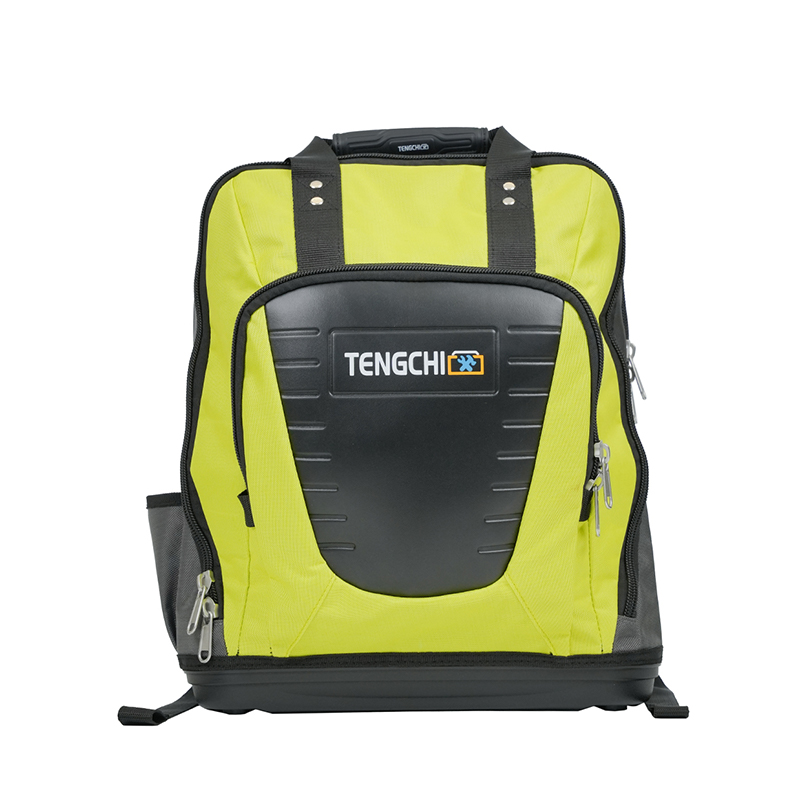

Yancheng Tengchi Tourism Products Co., Ltd. It is dedicated to
designing and producing high-quality tool bags, including
heavy-duty electrician bags.
Experienced staff and experts are always available to provide
you with professional guidance and solutions to technical
problems.
- Product
- Tool Bag
- Tool Backpack
- Capabilities
- Capabilities
- Custom
- About US
- About Tengchi
- Certification
- Quick Connect
- Custom
- Capabilities
- Contact



