
Email: [email protected]

 English
  español
Industry News
How the Rolling Tool Bag Makes Heavy Tool Transportation Effortless
 2026.01.21
 Industry News
For professionals who rely on tools every day—electricians, plumbers, carpenters, HVAC technicians, and contractors—the challenge of transporting heavy and bulky equipment from one job site to another is all too familiar. Traditional toolboxes and standard bags can be cumbersome, difficult to carry, and often limit mobility. This is where the Rolling Tool Bag comes in, revolutionizing the way tradespeople manage, transport, and access their tools.
As a leading manufacturer and supplier of high-quality Rolling Tool Bags, we have observed how these innovative solutions have transformed the daily workflow of professionals across industries.
Understanding the Rolling Tool Bag
A Rolling Tool Bag is a durable, mobile storage solution designed specifically for professionals who carry a large number of tools or heavy equipment. Unlike traditional toolboxes, the rolling bag incorporates wheels and a telescopic handle, allowing users to roll the bag rather than lift it. This design minimizes physical strain and reduces the risk of injury while transporting heavy loads.
Key Features of a Rolling Tool Bag:
- Wheeled Mobility – Smooth-rolling wheels make it easy to transport heavy tools across various surfaces, from paved sidewalks to construction sites.
- Telescopic Handle – Adjustable handles allow users to pull the bag comfortably, reducing back strain.
- Durable Construction – Reinforced fabrics, heavy-duty zippers, and robust frames ensure longevity, even under heavy loads.
- Multiple Compartments – Organized sections, pockets, and tool dividers allow easy access and storage of a wide range of tools.
- Expandable Capacity – Many rolling tool bags feature expandable compartments or removable trays, offering flexibility for different job requirements.
By combining mobility, durability, and organization, the Rolling Tool Bag addresses the core challenges of tool transportation for professionals.
Solving the Challenge of Heavy Tool Transportation
Heavy tool transportation has traditionally posed several challenges for tradespeople:
- Physical Strain: Carrying heavy toolboxes or bags can lead to back, shoulder, and arm injuries.
- Limited Mobility: Traditional storage solutions require lifting and carrying, making it difficult to move across long distances or uneven terrain.
- Disorganization: Tools mixed together in a single compartment slow down work and reduce efficiency.
- Time Wastage: Searching for specific tools while on-site leads to lost time and decreased productivity.
The Rolling Tool Bag effectively solves these problems by offering a mobile, organized, and ergonomic solution.
How the Rolling Tool Bag Enhances Mobility
One of the most significant advantages of a Rolling Tool Bag is the ease of movement it provides. By incorporating wheels and a telescopic handle, these bags allow professionals to roll their tools behind them rather than carrying them. This is particularly useful in environments such as:
- Construction sites with uneven surfaces
- Urban areas with long distances between job sites
- Large industrial facilities
- Multi-story buildings with elevator access
The ergonomic design of rolling tool bags ensures that even fully loaded bags can be transported effortlessly. Some models feature large, durable wheels that handle gravel, concrete, and rough terrain with ease, while others include all-terrain treads for specialized applications.
Rolling tool bags reduce the strain on the body significantly. By eliminating the need to lift heavy loads repeatedly, workers are less likely to experience fatigue or musculoskeletal injuries. This not only protects the health of the professional but also ensures consistent productivity throughout the workday.
Organization and Accessibility
Beyond mobility, one of the core benefits of a Rolling Tool Bag is its superior organizational capacity. Heavy tools, delicate instruments, and small components need to be stored in a way that allows quick access on-site. Rolling tool bags feature:
- Compartmentalized storage: Separate spaces for hand tools, power tools, and hardware.
- Removable trays: Allow quick access to frequently used tools.
- Elastic loops and dividers: Keep smaller items such as screws, nuts, and drill bits organized.
- External pockets: Provide storage for personal items, manuals, or protective gear.
This organization reduces time spent searching for tools and allows professionals to focus on the task at hand. In addition, the secure construction of rolling tool bags ensures that tools remain in place during transport, preventing damage and loss.
Durability for Heavy-Duty Applications
Professionals rely on their tools to perform critical tasks, and the storage solution must be equally reliable. Rolling tool bags are built to withstand heavy loads, rough handling, and outdoor environments. Typical features include:
- Reinforced base: Supports heavy tools and prevents sagging.
- Water-resistant materials: Protect tools from rain, dust, and debris.
- Heavy-duty zippers and fasteners: Ensure the bag maintains structural integrity over time.
- Metal frame support: Adds stability for high-capacity bags.
Durability ensures that the Rolling Tool Bag remains a long-term investment, supporting daily use without compromising performance.
Safety Benefits
Transporting heavy tools can be hazardous, especially on uneven surfaces, stairs, or construction sites. The Rolling Tool Bag improves safety in several ways:
- Reduced Physical Strain: Rolling instead of lifting minimizes back, shoulder, and wrist injuries.
- Stability: Low centers of gravity and reinforced bases prevent tipping, even on sloped surfaces.
- All-Terrain Wheels: Smooth and stable movement prevents sudden stops or loss of control.
- Secure Compartments: Tools remain in place during transport, reducing hazards caused by falling objects.
These safety features not only protect the worker but also reduce liability for employers and contractors.
Versatility for Multiple Professions
The Rolling Tool Bag is not limited to a single trade. Its versatility makes it suitable for a wide range of professions, including:
- Electricians: Easy storage for wires, testers, and hand tools.
- Plumbers: Space for wrenches, pipes, and fittings.
- Carpenters: Compartments for hammers, drills, and screws.
- HVAC Technicians: Room for gauges, sensors, and power tools.
- General Contractors: Ability to transport a wide array of tools in one mobile bag.
This adaptability ensures that professionals in virtually any field can benefit from the efficiency and convenience of rolling tool bags.
Time and Productivity Advantages
In addition to safety and mobility, rolling tool bags significantly improve efficiency. Consider the impact of a single professional moving between multiple sites:
- Without a rolling tool bag: Lifting, carrying, and rearranging tools multiple times each day.
- With a rolling tool bag: Pulling a single bag effortlessly, accessing organized tools quickly, and reducing wasted time.
Over a week, month, or year, the cumulative time saved by using a Rolling Tool Bag is substantial, allowing professionals to complete more work in less time, increase billable hours, and improve customer satisfaction.
Choosing the Right Rolling Tool Bag
When selecting a Rolling Tool Bag, consider the following factors:
- Capacity: Ensure it can hold all necessary tools and supplies.
- Wheel Design: Large, durable wheels handle rough terrain better than small, standard wheels.
- Material Quality: Reinforced, water-resistant fabrics extend the life of the bag.
- Handle Comfort: Telescopic handles with ergonomic grips reduce strain.
- Organizational Features: Pockets, trays, and compartments help maintain efficiency on-site.
Selecting the right rolling tool bag ensures that professionals get the maximum benefits in terms of mobility, safety, and productivity.
Related Products
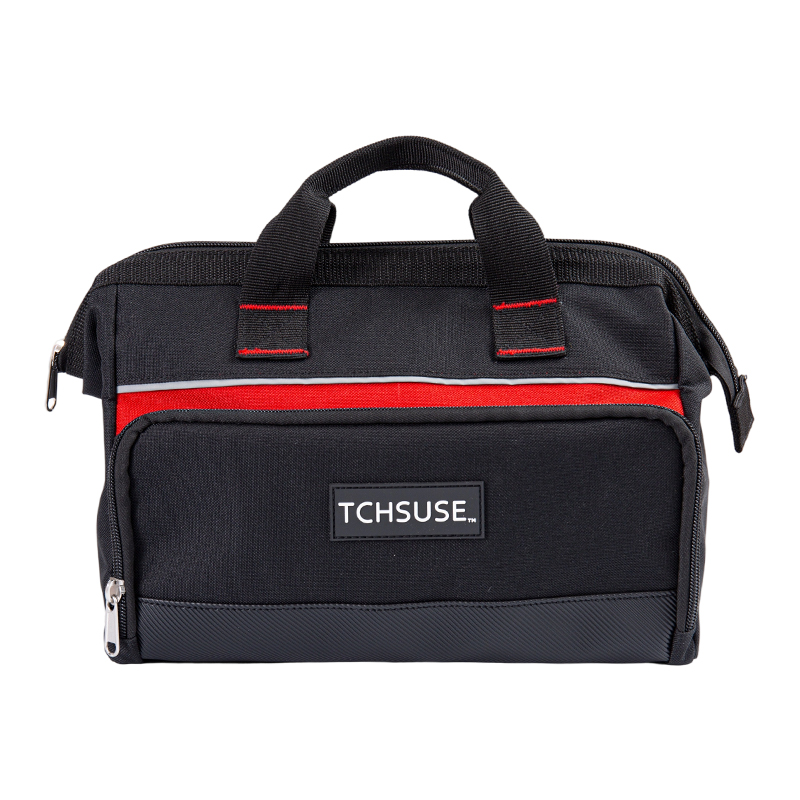
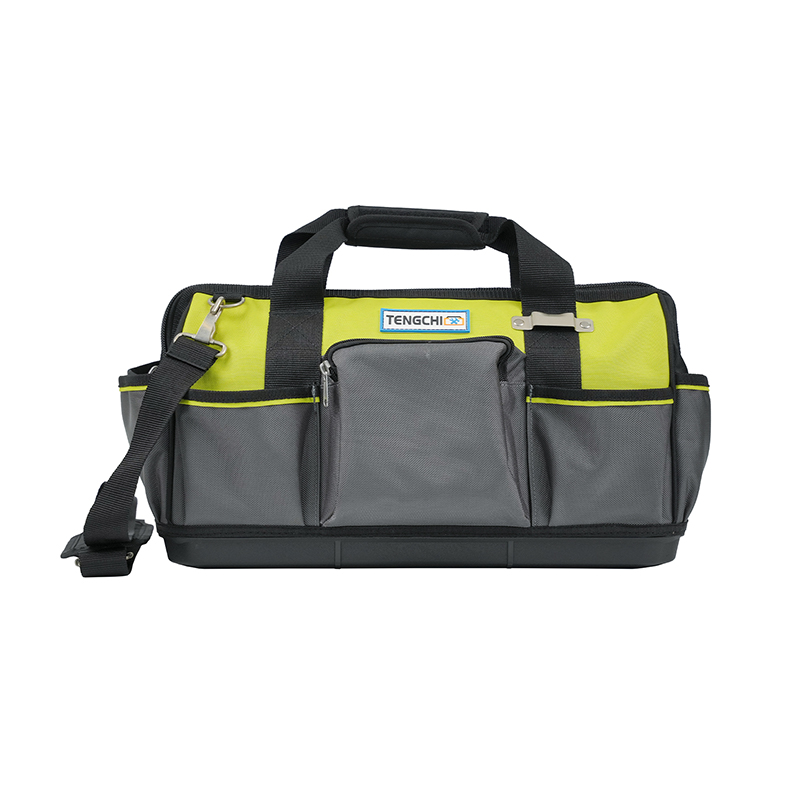

Yancheng Tengchi Tourism Products Co., Ltd. It is dedicated to
designing and producing high-quality tool bags, including
heavy-duty electrician bags.
Experienced staff and experts are always available to provide
you with professional guidance and solutions to technical
problems.
- Product
- Tool Bag
- Tool Backpack
- Capabilities
- Capabilities
- Custom
- About US
- About Tengchi
- Certification
- Quick Connect
- Custom
- Capabilities
- Contact



