
Email: [email protected]

 English
 español
Industry News
HOME / NEWS / Industry News / How to Buy Bolt Cutters: A Practical Buyer's Guide for Professionals and Crews
HOME > NEWS > Industry News > How to Buy Bolt Cutters: A Practical Buyer's Guide for Professionals and Crews
How to Buy Bolt Cutters: A Practical Buyer's Guide for Professionals and Crews
 2026.11.25
 Industry News
Bolt cutters look simple: two handles, two jaws, one job. But anyone who has snapped a cheap pair on a hardened padlock, or spent ten minutes squeezing a cutter that was too short for the chain in front of them, knows the difference is in the details. We build bags for tools that get carried, dropped, and hauled between jobs, so we tend to look at cutters the way a working crew does: what does it cut, how does it feel after an hour, and where does it live between jobs?
Start With the Material, Not the Tool
Before comparing brands or prices, answer one question: what will the jaws actually bite? Bolt cutters are rated by the diameter they can cut in a given material hardness, not by a single "maximum cut" number. A cutter that slices through mild steel chain may barely mark a case-hardened padlock. Most manufacturers publish three broad levels: soft metals such as aluminum, copper, and soft bolts; medium materials such as grade 5 bolts, rebar, and standard chain; and hard materials such as hardened padlocks, case-hardened chain, and grade 8 fasteners.
Ask yourself a few practical questions before you shop:
- Is the lock or chain hardened, or only coated to look tough?
- Will you cut near the jaw throat, where leverage is greatest, or out at the tips?
- Do you need a clean, flush cut, or is simple separation enough?
- How often will the tool be used, and by one person or a whole crew?
Match Cutting Capacity to the Job
Capacity charts are a starting point, not a guarantee. The same 24-inch cutter may be rated for 10 mm of soft steel but only 6 mm of hardened steel. Use the table below as a rough guide, then confirm the specific rating with the supplier before you rely on it.
| Cutter size | Typical cutting range | Common use | Leverage feel |
|---|---|---|---|
| 8 in | 4 mm soft wire, small chain | Light duty, tight spaces | Low |
| 14 in | 5–6 mm soft bolts, wire mesh | General maintenance | Moderate |
| 18 in | 6–8 mm medium chain, light rebar | All-round shop and site work | Good |
| 24 in | 8–10 mm chain, grade 5 bolts, standard padlocks | Most common professional size | Strong |
| 30 in | 10–12 mm chain, rebar | Heavy site work | High |
| 36 in | 12–14 mm rebar, hardened chain | Demolition and utility crews | Very high |
| 42 in | 14–16 mm rebar, heavy hardened chain | Industrial and rescue use | Highest |
Handle Length, Leverage, and Compound Action
Longer handles give you more leverage, but they also add weight and make the tool awkward to carry in a crowded service bag. A 24-inch cutter is the default for a reason: it handles most padlocks, chain, and medium bolts without becoming a burden. If you regularly cut rebar or heavy hardened chain, a 36-inch or 42-inch model earns its keep, but it is a two-handed tool that needs space to swing.
Compound-action cutters use a linkage system to multiply force, which can make a shorter tool feel stronger than a plain cutter of the same length. That matters if you have limited hand strength or need to make repeated cuts. The trade-off is more moving parts to keep clean and lubricated. For occasional use, a well-made single-pivot cutter is usually enough.
Blades, Jaws, and Steel Quality
Chrome vanadium steel is common and perfectly serviceable for soft and medium materials. Chrome molybdenum steel holds up better under shock and repeated hard use. Forged jaws resist chipping better than cast jaws, and replaceable jaws are worth the extra cost if you cut abrasive material such as wire mesh or galvanized chain.
Check jaw alignment before you buy. A gap or offset between the blades wastes force and chews up the cutting edge. The jaws should meet cleanly along their full length, with no light visible between them when the handles are closed. Also look at the pivot: a loose pivot makes the cutter feel sloppy, while an overly tight one adds friction. A adjustable pivot bolt is a good sign that the maker expects the tool to be maintained rather than thrown away.
Handles, Grips, and Real-World Comfort
Tubular steel handles are lighter and usually cheaper. Solid forged handles are heavier but resist bending when you lean on them. Rubber or plastic grips help with cold weather and sweaty hands, but a grip that spins or slides is worse than a plain handle. If you wear gloves on site, try the cutter with those gloves on. A handle that feels fine bare-handed can rub badly after an hour of steady work.
Safety and Care Habits That Extend Life
Never slip a cheater pipe over the handles to gain extra leverage. The handles are designed to flex within a limit, and a pipe can bend them or crack the jaw. Wear eye protection, keep your fingers clear of the pivot, and never cut live electrical cable. After use, wipe grit off the pivot and add a drop of light oil. Store the cutter with the jaws closed but not forced tight, and keep it out of damp corners where rust can creep into the joint.
Carrying and Storing Bolt Cutters Between Jobs
A 24-inch bolt cutter is roughly 60 cm long and often weighs between 3 and 5 kg. Left loose in a truck bed or thrown into a bucket, the jaws pick up nicks, the pivot collects grit, and the handles get bent. A dedicated bag keeps the cutter upright, protects the blade edges, and makes it easier to carry along with the rest of your kit. If you are still deciding between a bag, a backpack, and a box, our complete tool bag buyer's guide breaks down the trade-offs.
For a single cutter plus hand tools, a 22-inch large-capacity tool bag gives you a long main compartment and enough side pockets for gloves, oil, and a padlock set. Look for a reinforced base and a handle that does not cut into your palm when the bag is full.
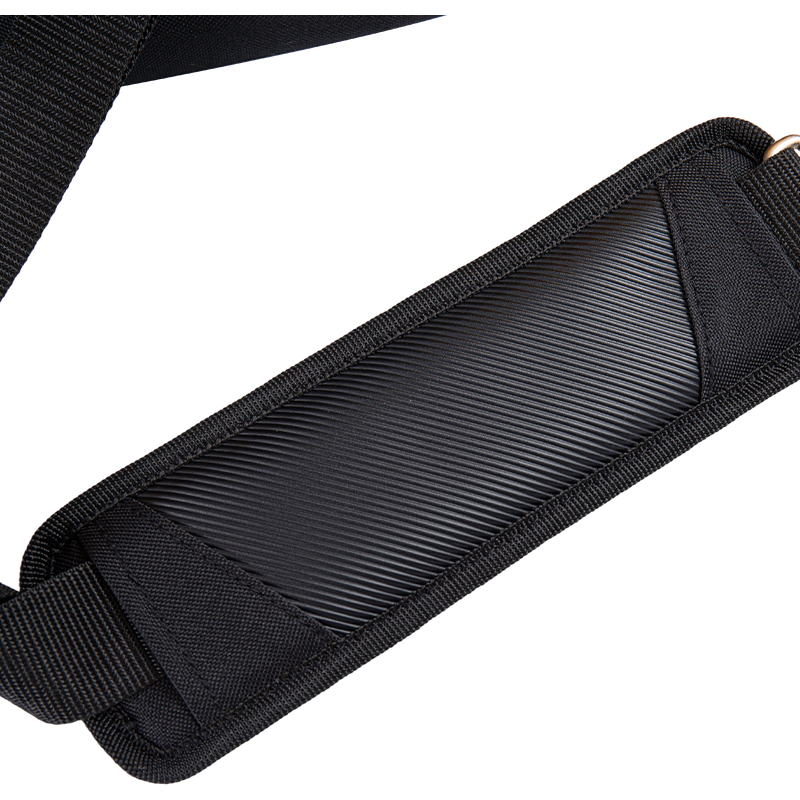 22-Inch 600D Large-Capacity Tool BagA 22-inch 600D Oxford bag with a long main compartment and exterior zippered pockets, suited to carrying a single cutter plus hand tools on site.View Product →
If the cutter lives on a service cart or travels between sites with other heavy gear, a rolling tool bag takes the weight off your shoulder. Models that extend to 27 inches can swallow a 24-inch cutter without forcing the jaws against the bag wall.
 18-Inch and 27-Inch Wheeled Tool Bag SeriesA wheeled tool transport series with retractable pull rod and multi-compartment storage, available in 18-inch and 27-inch sizes for moving heavy kits between sites.View Product →
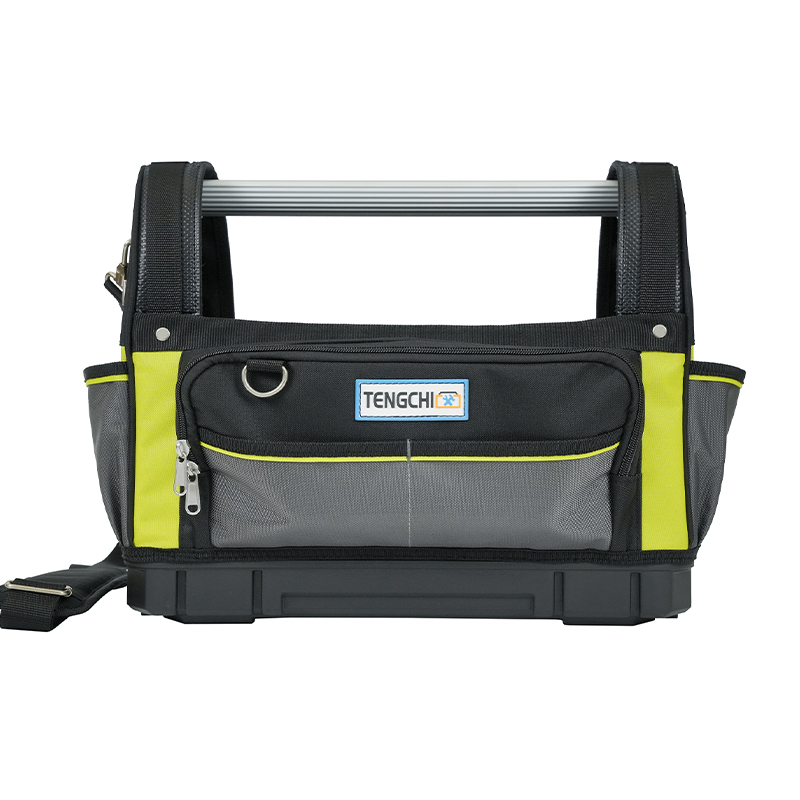
An open-top bag with a plastic bottom is a practical middle ground: the cutter drops in upright, the molded base keeps it dry on wet concrete, and the open mouth lets you grab it without unzipping anything. Our open-top tool bags are built around that kind of daily handling.
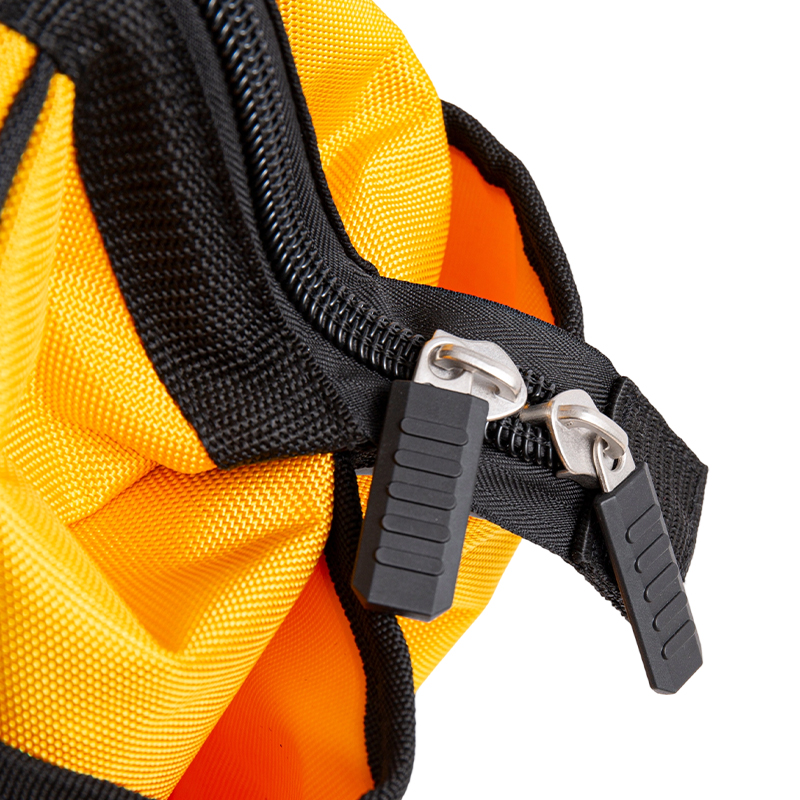 19-Inch 1680D Open-Top Tool Bag with Plastic BaseA 1680D open-top bag with a waterproof, impact-resistant plastic base and large opening, keeping tools dry and accessible on wet or uneven job sites.View Product →
A Simple Buying Checklist
- Confirm the material hardness and the diameter you cut most often.
- Choose the shortest handle that still gives enough leverage for that material.
- Check jaw alignment, blade steel, and whether the jaws are replaceable.
- Try the grips with work gloves on, not bare-handed.
- Budget for a bag or rolling case that keeps the jaws protected and the cutter upright.
- Buy from a supplier who publishes capacity ratings by material, not just one vague "max cut" figure.
Bolt cutters reward a little patience at the buying stage. Get the material rating right, pick a handle length you can actually manage, and give the tool a proper home between jobs. Do that, and the same cutter will keep opening stubborn locks and clearing chain for years instead of letting you down on the one day you needed it most.
Related Products

Yancheng Tengchi Tourism Products Co., Ltd. It is dedicated to
designing and producing high-quality tool bags, including
heavy-duty electrician bags.
Experienced staff and experts are always available to provide
you with professional guidance and solutions to technical
problems.
- Product
- Tool Bag
- Tool Backpack
- Capabilities
- Capabilities
- Custom
- About US
- About Tengchi
- Certification
- Quick Connect
- Custom
- Capabilities
- Contact



