
Email: [email protected]

 English
 español
Industry News
HOME / NEWS / Industry News / How Do Pipe Wrenches Work? A Complete Guide to Their Mechanics and Use
HOME > NEWS > Industry News > How Do Pipe Wrenches Work? A Complete Guide to Their Mechanics and Use
How Do Pipe Wrenches Work? A Complete Guide to Their Mechanics and Use
 2026.10.27
 Industry News
Pipe wrenches are among the most recognizable tools in plumbing and pipefitting. Their heavy steel jaws and long handles seem simple, but behind that simplicity is a clever self-locking mechanism. Once you understand how pipe wrenches work, you will see why the wrench grabs in one direction and releases in the other, and why it remains the go-to choice for turning round steel and iron pipe.
The Basic Principle: Self-Locking Jaws
Unlike an adjustable wrench that relies mainly on friction, a pipe wrench is designed to bite. Its jaws are set at roughly 45 degrees relative to the handle, and the inner faces are lined with sharp serrations. When you rotate the handle, those angled jaws wedge themselves against the pipe surface. The harder you pull, the tighter the jaws grip. This self-energizing action is the heart of how a pipe wrench works. It is also why the wrench tends to slip if you use it backward: the wedge angle opens rather than closes.
Anatomy of a Pipe Wrench
To fully understand how do pipe wrenches work, it helps to know the main parts:
- Handle – usually forged steel or aluminum, providing leverage.
- Fixed jaw (hook jaw) – the upper jaw that stays aligned with the handle.
- Movable jaw (heel jaw) – the lower jaw that slides to adjust the opening.
- Adjusting nut – the knurled collar that moves the movable jaw to fit different pipe sizes.
The angle between the fixed jaw and the movable jaw is not parallel. In a typical pipe wrench, the movable jaw is tilted forward by a few degrees when the wrench is closed. This small angle is what creates the wedging action.
The Wedging Action Explained
When you place the wrench over a pipe and turn the handle, the pipe pushes against the inner flat of the movable jaw. Because the jaw is angled, the pipe is forced into a narrower space between the two jaws. The serrations dig into the pipe surface, and the harder you turn, the more the jaws clamp. It is a mechanical advantage that gives a pipe wrench its gripping power.
However, this wedging only works in one rotational direction. If you turn the handle the other way, the angle pushes the two jaws apart slightly, the serrations release, and the wrench can slip. That is why experienced plumbers try the wrench in the direction they intend to turn before applying full force. If it slips, they flip the wrench over or reposition it.
Proper Technique for Turning Pipe
Getting the most out of a pipe wrench is about positioning and direction. Here are the basic steps:
- Select a wrench that fits the pipe diameter. The jaws should close around the pipe with the serrations fully contacting the surface.
- Look at the pipe from the end and determine your turning direction (clockwise to tighten, counterclockwise to loosen).
- Place the wrench so the movable jaw faces the direction of rotation. For example, when loosening a pipe counterclockwise, position the movable jaw on the left side of the pipe as you look at it.
- Pull the handle toward you rather than pushing it away, when space allows. Pulling keeps the wrench seated and gives you better control.
- If the wrench slips, stop and reset it. Slipping can round off the pipe or cause injury.
If you need more force, use a longer wrench instead of adding a pipe over the handle. That keeps leverage predictable and reduces the chance of cracking the pipe or damaging the wrench.
Common Types of Pipe Wrenches
Pipe wrenches come in several forms, each suited to a different job. Here is a quick comparison:
| Type | Best For | Key Feature |
|---|---|---|
| Straight pipe wrench | General plumbing and pipefitting | Aluminum or steel handle, fixed jaw at a 45-degree angle |
| Offset pipe wrench | Working next to walls or obstructions | Jaw opening offset from the handle line |
| Chain wrench | Very large pipes, rough surfaces | Chain wraps around pipe for a secure grip |
| Strap wrench | Finished or delicate pipe surfaces | Rubber or nylon strap that grips without teeth |
| Internal pipe wrench | Turning pipe from the inside, close quarters | Expanding fingers grip the internal wall |
| Self-adjusting pipe wrench | Quick ratcheting turns on standard pipes | Spring-loaded jaw adjusts instantly and grips in both directions |
Choosing the right wrench type lowers effort and protects the pipe. For most home plumbing tasks, a straight pipe wrench in 14 or 18 inches is a good starting point. Professionals often keep an offset and a chain wrench in their kit as well.
Safety Tips for Using a Pipe Wrench
A pipe wrench is a sturdy tool, but it can be dangerous if used carelessly. Keep these points in mind:
- Inspect the jaws and handle for wear. Dull or broken serrations reduce grip and increase slipping.
- Keep the pipe clean. Grease, oil, or scale on the pipe can prevent the jaws from biting.
- Do not use a pipe wrench on hex nuts or bolts. The serrated jaws damage the corners and the wrench will slip.
- Position yourself so you do not fall if the wrench releases. Push rather than pull when possible, or brace yourself.
- Wear work gloves to protect against sharp edges, and eye protection in case of slips.
Storing and Organizing Your Pipe Wrench
Now that you know how pipe wrenches work, the next step is keeping them in good condition. Because they are made of steel, pipe wrenches are prone to rust if left in a damp toolbox or on a concrete floor. The serrated jaws are especially vulnerable. Wiping them down after use and storing them in a dry place extends their life considerably.
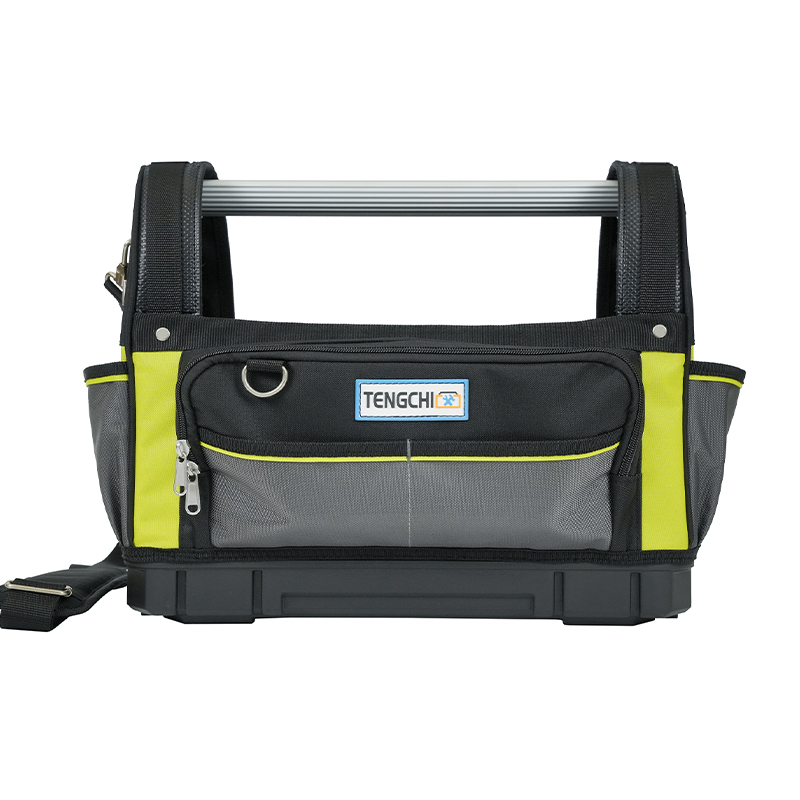
From our experience as tool bag manufacturers, we see many tradespeople carry pipe wrenches loose in a bucket or toss them into a random bag. That is a quick way to dull the serrations and lose the adjusting nut. A dedicated tool bag with reinforced pockets and a plastic-protected base keeps heavy wrenches separate, prevents them from gouging through the bottom, and makes it easier to find the right size at a glance.
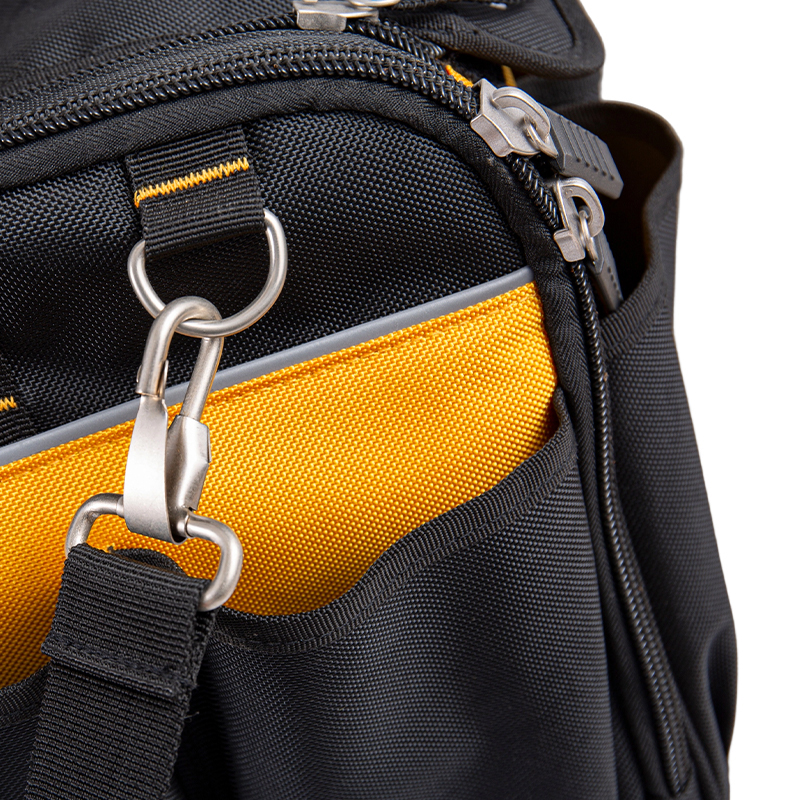 17/20-inch 1680D Plastic Bottom Tool Bag for Heavy-Duty WorkThis dedicated tool bag with reinforced pockets and a hard plastic base keeps pipe wrenches separated and protects them from damage, with an open-top design for quick access.View Product →
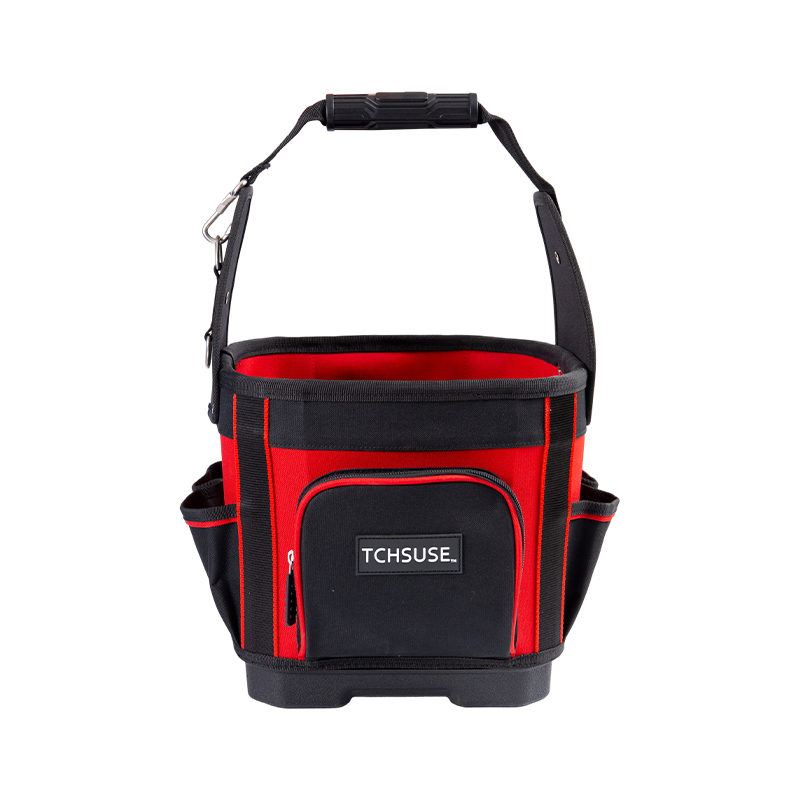
For workers who need fast access on a job, an open-top tool bag allows you to drop a pipe wrench in and grab it without fumbling with zippers. The wide opening also makes it easy to clean out metal shavings and dirt.
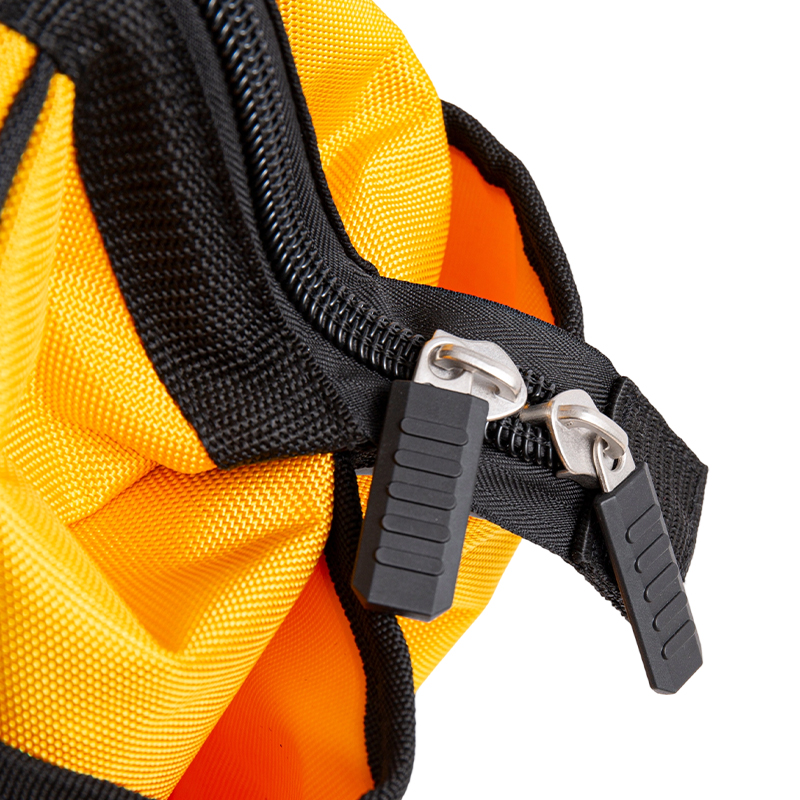 19-inch 1680D Plastic Bottom Opening Tool Bag with Large CapacityFeaturing a wide opening and numerous pockets, this bag allows fast tool organization and retrieval, while its stable plastic base resists moisture and tipping on uneven surfaces.View Product →
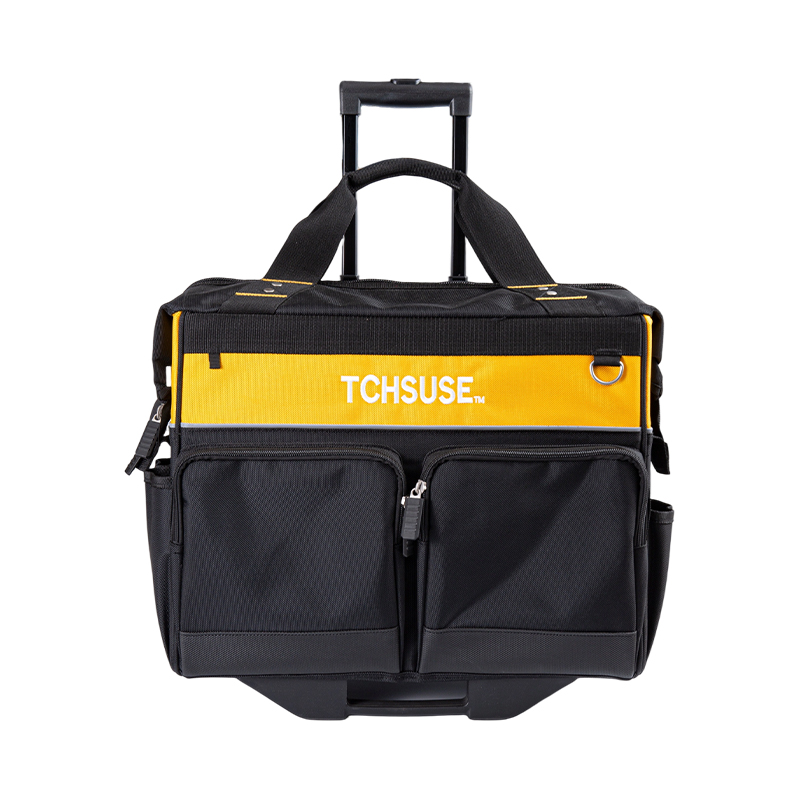
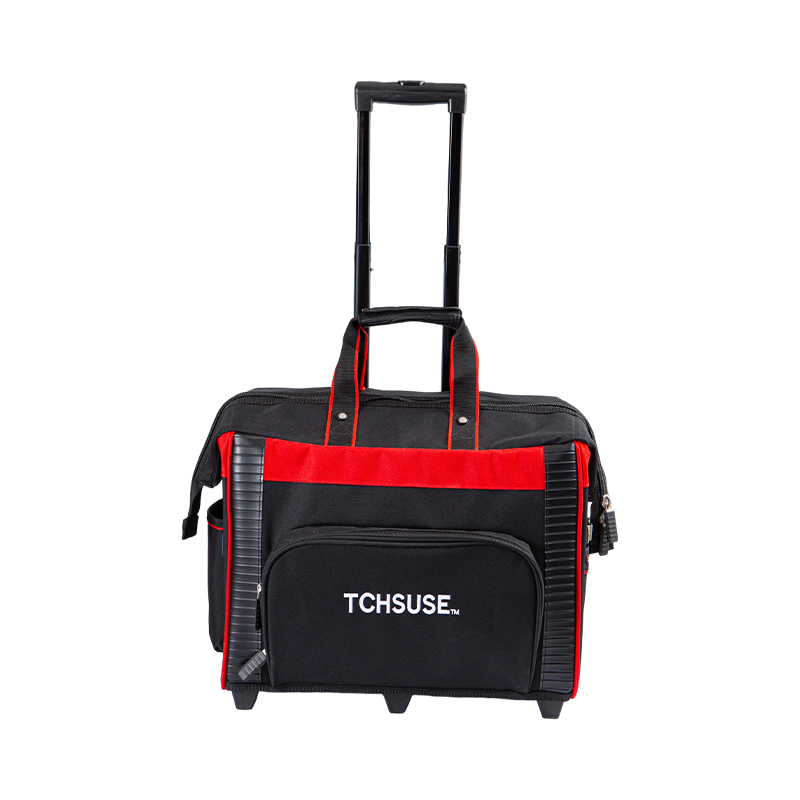
If you carry several large pipe wrenches plus a threading tool and joint compound, a rolling tool bag saves your back and keeps everything organized in one place. That type of storage is especially useful for maintenance crews who move between site locations.
 18/27-inch Pull Rod Trolley Tool Bag with Wheels for Easy TransportThis rolling tool bag with retractable trolley and smooth wheels saves your back when moving large wrenches and supplies between sites, offering large-capacity organization for maintenance crews.View Product →
Before choosing any bag, think about the sizes and weights you handle daily. Our complete guide to choosing the right tool bag walks through handle types, base construction, and pocket layouts for heavy hand tools. And if you want to see the overall range, the tool bag collection includes many options that work well for plumbers and pipe fitters.
Conclusion
Pipe wrenches work because of a simple but brilliant wedging action: angled, serrated jaws that bite harder as you apply torque. Understanding that direction matters, and using the correct technique, keeps the wrench efficient and safe. And once you know how to protect and store your wrench, it will serve you for years. Pairing a quality pipe wrench with a dependable tool bag is a small investment that pays off in organization and tool life.

Yancheng Tengchi Tourism Products Co., Ltd. It is dedicated to
designing and producing high-quality tool bags, including
heavy-duty electrician bags.
Experienced staff and experts are always available to provide
you with professional guidance and solutions to technical
problems.
- Product
- Tool Bag
- Tool Backpack
- Capabilities
- Capabilities
- Custom
- About US
- About Tengchi
- Certification
- Quick Connect
- Custom
- Capabilities
- Contact


